
Andere Kunden interessierten sich auch für
 Shantytown Protest in Pinochet's Chile34,99 €
 To Cut A Long Story Short11,99 €
 Irish Political Prisoners 1960-200069,99 €
 To Cut A Long Story Short11,99 €
 The Effects of Imprisonment68,99 €
 Parental Imprisonment and Children's Rights55,99 €
 A Prison Diary Volume III19,99 €




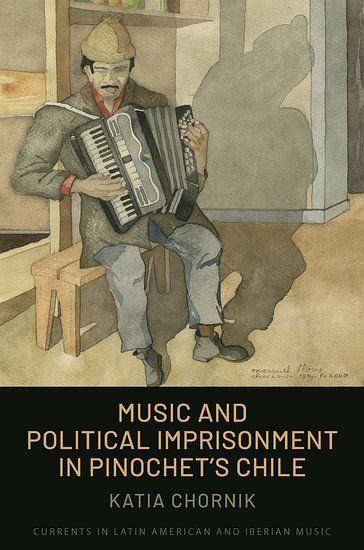
Over 1,000 political imprisonment and torture centers existed across Chile during the dictatorship of General Augusto Pinochet (1973-90). Music was often present in those centers, both as a response to and part of human rights violations. In this pioneering book, Katia Chornik explores the relationships between music, politics, memory, and human rights, discussing a broad range of music experiences and repertoire and how these are remembered, preserved, and disseminated decades later. The book probes how pieces written, performed, and listened to in captivity are threaded into survivors' memories of mistreatment, resilience, and experiences beyond resistance. Chornik blends sources from the Cantos Cautivos digital archive with interviews with ex-political prisoners, agents of secret services, and visitors to prisons, proposing the notion of "memory cacophony" to describe the discordant kaleidoscope of voices, memories, repertoire, and experiences unveiled. Chornik demonstrates how music, as an expression of powerful lived experiences, is an essential component of the cultural history and legacy of the Pinochet period.