
Andere Kunden interessierten sich auch für
 Recruitment and Selection of People with Disabilities in RS Companies53,99 €
 Assessment of learning for students with disabilities in higher education36,99 €
 A varied learning environment for children with disabilities18,99 €
 The Inclusion of Students with Disabilities in Higher Education27,99 €
 The inclusion of people with disabilities in public schools19,99 €
 Family Support for Chinese Families with Children with Disabilities47,99 €
 Perception of stigma among HIV positive women with disabilities32,99 €
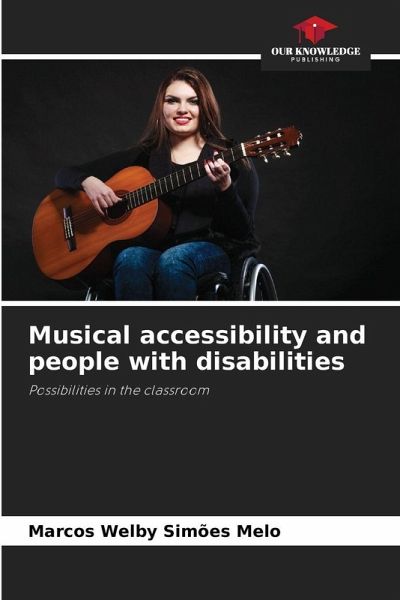
Music is of fundamental importance in the intellectual, cultural, and social development of human beings, contributing to the inclusion of visually impaired students in the classroom. This research addresses accessibility in music education for people with visual impairments in the context of regular education. I based this study on the main theorists of inclusion, such as Diniz and Sassaki, who defend the idea of a society that allows for the satisfactory participation of people with disabilities; Masini, who emphasizes the importance of the perception of people with visual impairments involving senses other than sight. To understand the methodology of musical practices, I consulted music education theorists in Brazil, including Swanwick and Hemsy de Gainza, who postulate the idea of musicalization centered on aspects of human uniqueness, following the stages of cognitive, social, and cultural development of the individual.