
Andere Kunden interessierten sich auch für
 Controlling Human Heredity30,99 €
 Epigenetics and Metabolomics158,99 €
 Nutritional Epigenomics178,99 €
 Down Syndrome35,99 €
 The Principles Of Breeding12,99 €
 Heredity19,99 €
 Genetics and Eugenics; a Text-book for Students of Biology and a Reference Book for Animal and Plant Breeders25,99 €

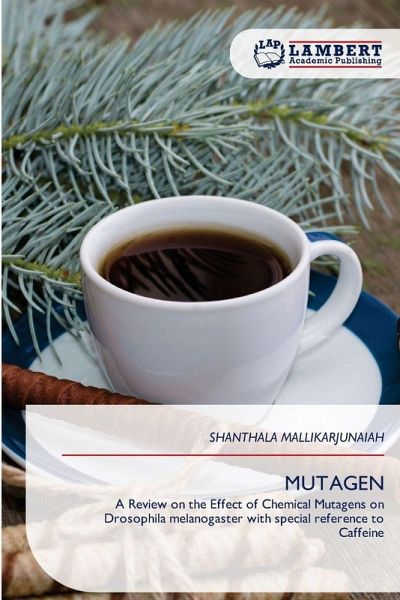
Mutations are defined as permanent alterations in the genetic material-most commonly DNA-of an organism. These changes can occur naturally or be induced by external factors. Spontaneous mutations arise without any known external influence, typically due to errors in DNA replication or natural background radiation, and they tend to occur at relatively low frequencies. In contrast, induced mutations result from exposure to mutagenic agents, which may be of chemical, physical, or biological origin. These artificially induced mutations occur more frequently and are widely used in experimental genetics to study gene function and genome stability.Among these, chemical mutagens are extensively utilized in genetic research as reliable tools for inducing mutations under controlled laboratory conditions. Over the years, numerous chemicals have been tested for their mutagenic potential using the fruit fly, Drosophila melanogaster, a widely accepted model organism in genetic studies due to its short life cycle and well-mapped genome.Chemical agents such as copper sulfate (CuSO ), urea-alkali mixtures, nitrogen mustards, mustard gas, Chemical agents such as copper sulfate (CuSO ).