17,99 €
inkl. MwSt.
Versandkostenfrei*Erscheint vorauss. 16. April 2026
Melden Sie sich
hier
hier
für den Produktalarm an, um über die Verfügbarkeit des Produkts informiert zu werden.

9 °P sammeln
Andere Kunden interessierten sich auch für
 Girl, 198314,99 €
 Girl, 198315,99 €
 August Blue8,49 €
 August Blue14,99 €
 August Blue18,99 €
 August Blue14,99 €
 Hot Milk8,49 €

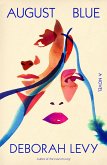
'In one short and sly book after another, [Levy] writes about characters navigating swerves of history and sexuality, and the social and personal rootlessness that accompanies both' Atlantic
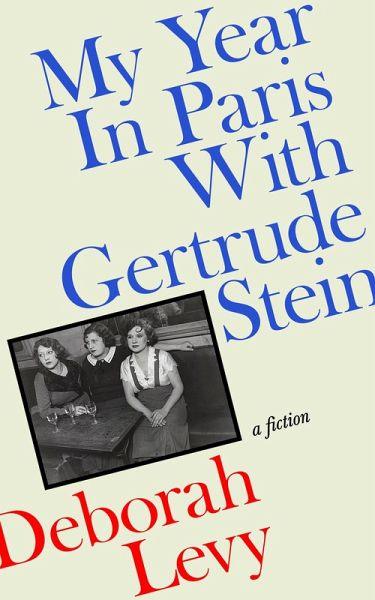
Who was Gertrude Stein?
Avant-garde American poet and art collector who made her home in Paris, godmother of modernism, queer icon, friend to Picasso and Hemingway, self-declared genius - a writer who has baffled readers and critics for a century.
And why does she matter?
The narrator of Deborah Levy's latest, dazzling fiction has gone to Paris to find out. There she meets Eva with the blinding gaze, an artist in a long-distance marriage, and Fanny, a sexually adventurous financier; together they cook, walk, read and argue late into the nights.
As Paris sweeps her along in its ceaseless flow, she thinks - about what we have to lose to become modern, navigating anxiety, living with uncertainty, angry fathers, making a new life in another country, art and language - how all these things looked to Gertrude Stein in the early days of the twentieth century, and how they look to her and her friends in the early twenty-first.
This is a book about how we put ourselves together- an exhilarating, witty, cosmopolitan meditation on the pleasures and challenges of friendship, desire and living with other people. But it is also crashes through genre to create an inspired portrait of Stein herself: a writer who experimented fearlessly with a new way of living and who wrestled herself free from the nineteenth century to invent a brand-new way of looking at the world.
Who was Gertrude Stein?
Avant-garde American poet and art collector who made her home in Paris, godmother of modernism, queer icon, friend to Picasso and Hemingway, self-declared genius - a writer who has baffled readers and critics for a century.
And why does she matter?
The narrator of Deborah Levy's latest, dazzling fiction has gone to Paris to find out. There she meets Eva with the blinding gaze, an artist in a long-distance marriage, and Fanny, a sexually adventurous financier; together they cook, walk, read and argue late into the nights.
As Paris sweeps her along in its ceaseless flow, she thinks - about what we have to lose to become modern, navigating anxiety, living with uncertainty, angry fathers, making a new life in another country, art and language - how all these things looked to Gertrude Stein in the early days of the twentieth century, and how they look to her and her friends in the early twenty-first.
This is a book about how we put ourselves together- an exhilarating, witty, cosmopolitan meditation on the pleasures and challenges of friendship, desire and living with other people. But it is also crashes through genre to create an inspired portrait of Stein herself: a writer who experimented fearlessly with a new way of living and who wrestled herself free from the nineteenth century to invent a brand-new way of looking at the world.
The brilliant Deborah Levy returns with a new novel that spills over the boundaries of its genre. On the fictional side is the unnamed narrator, discovering herself in the context of new friends, new experiences and a new country. But rising from this narrative is an exploration of a real life literary legend, as the narrator studies the life and work of the modernist icon Gertrude Stein. The result is a stunning portrait of two time periods and two women, fictional and otherwise, seen through the lenses of each other GQ