
Andere Kunden interessierten sich auch für
 Brown Genealogy of Many of the Descendants of Thomas, John, and Eleazer Brown: 330,99 €
 Hugh Stowell Brown: A Memorial Volume21,99 €
 A Sermon Occasion'd By The Death Of Mrs. Mary Brown: Late Wife Of The Reverend Mr. John Brown, Of Kettering In Northamptonshire. By Lewis Wayman14,99 €
 Mary Crawford Brown: A Memoir20,99 €
 A Memoir of James Brown: With Obituary Notices and Tributes of Respect From Public Bodies17,99 €
 Jebbie A Life Of John P Leary18,99 €
 Memoir of Catharine Brown: A Christian Indian of the Cherokee Nation18,99 €

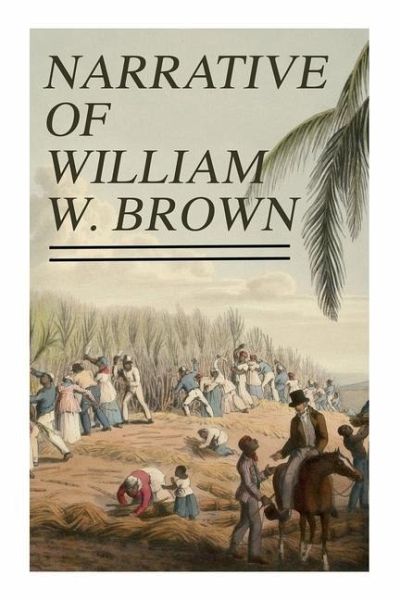
The "Narrative of William W. Brown, a Fugitive Slave, Written by Himself", is a memoir of William Wells Brown published in 1847, which became a bestseller across the United States, second only to Frederick Douglass' slave narrative memoir. Born into slavery in Montgomery County, Kentucky, Brown escaped to Ohio in 1834 at the age of 19. He settled in Boston, Massachusetts, where he worked for abolitionist causes and became a prolific writer. While working for abolition, Brown also supported causes including: temperance, women's suffrage, pacifism, prison reform, and an anti-tobacco movement. He was a pioneer in several different literary genres, including travel writing, fiction, and drama. In his memoir, Brown critiques his master's lack of Christian values and the customary brutal use of violence by owners in master-slave relations.