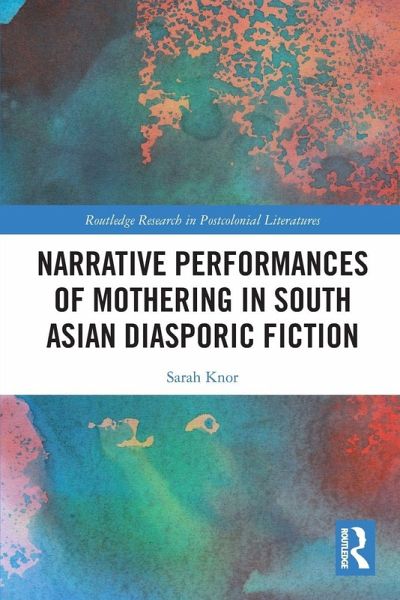
Examining a range of South Asian Anglophone diasporic fiction and poetry, this monograph opens a new dialogue between diaspora studies and gender studies. It shows how discourses of diaspora benefit from re-examining their own critical relation to concepts of the maternal and the motherland. Rather than considering maternity as a fixed or naturally given category, it challenges essentialist conceptions and explores mothering as a performative practice which actively produces discursive meaning. This innovative approach also involves an investigation of central metaphors in nationalist and…mehr
Examining a range of South Asian Anglophone diasporic fiction and poetry, this monograph opens a new dialogue between diaspora studies and gender studies. It shows how discourses of diaspora benefit from re-examining their own critical relation to concepts of the maternal and the motherland. Rather than considering maternity as a fixed or naturally given category, it challenges essentialist conceptions and explores mothering as a performative practice which actively produces discursive meaning. This innovative approach also involves an investigation of central metaphors in nationalist and diasporic rhetorics, bringing critical attention to the strategies they employ and the unique aesthetic forms they produce.
Dr. Sarah Knor is a lecturer and researcher in English literature, specialising in postcolonial and diasporic writing. She studied at the Ludwig-Maximilians-University, Munich and at Royal Holloway College, University of London. Her doctoral project was part of the international Marie Curie initial training network on "Diasporic Constructions of Home and Belonging" (Cohab) involving the universities of Münster, Oxford, SOAS, Mumbai, Stockholm and Northampton.
Inhaltsangabe
Acknowledgements
Abbreviations
1. Introduction: more than one mother
1.1 Gender and nation
1.2 Theories of the maternal
1.3 Theories of diaspora
1.4 Outline of chapters
2. Historical performances: reading Mother India in nationalist discourse and Kipling
2.1 Bharat Mata
2.1.1 Vande Mataram
2.1.2 The mother-as-metaphor
2.1.3 Condensation and transaction
2.1.4 Metaphorical performances
2.2 Kipling's imperial Mother India
2.2.1 Imperial doublings
2.2.2 The native-born diaspora
3. Citational performances: "Talking major mother country" in Rushdie's Midnight's Children
3.1 Diasporic maternal practices
3.2 Victorian Mothers
3.3 The performance of mothering
3.4 'De-condensing' Mother India
3.5 Diasporic bastards
4. Exile performances: Pakistani mother-daughter relationships in Bapsi Sidhwa's
Cracking India and Sara Suleri's Meatless Days.
4.1 Sidhwa's matricide
4.1.1 Allegorical readings
4.1.2 Hired Mother India
4.2 Suleri's mother elegy
4.2.1 A poetics of unbelonging
4.2.2 Mother(ing)land
4.2.3 Performances of abjection
5. Maternal performances: mother tongues in Ravinder Randhawa's A Wicked Old
Woman and Monica Ali's Brick Lane
5.1 Performing the mother tongue
5.2 A wicked old mother
5.3 Herethics and diasporic mothering
5.4 Diasporic seas
5.5 Ali's coming-of-agency
6. Outlook and conclusion: diasporic maternal aesthetics
6.1 Indo-Caribbean labours
6.2 Retrospects and prospects
7. Appendix
8. Works cited
9. Index
Acknowledgements Abbreviations 1. Introduction: more than one mother 1.1 Gender and nation 1.2 Theories of the maternal 1.3 Theories of diaspora 1.4 Outline of chapters 2. Historical performances: reading Mother India in nationalist discourse and Kipling 2.1 Bharat Mata 2.1.1 Vande Mataram 2.1.2 The mother-as-metaphor 2.1.3 Condensation and transaction 2.1.4 Metaphorical performances 2.2 Kipling's imperial Mother India 2.2.1 Imperial doublings 2.2.2 The native-born diaspora 3. Citational performances: "Talking major mother country" in Rushdie's Midnight's Children 3.1 Diasporic maternal practices 3.2 Victorian Mothers 3.3 The performance of mothering 3.4 'De-condensing' Mother India 3.5 Diasporic bastards 4. Exile performances: Pakistani mother-daughter relationships in Bapsi Sidhwa's Cracking India and Sara Suleri's Meatless Days. 4.1 Sidhwa's matricide 4.1.1 Allegorical readings 4.1.2 Hired Mother India 4.2 Suleri's mother elegy 4.2.1 A poetics of unbelonging 4.2.2 Mother(ing)land 4.2.3 Performances of abjection 5. Maternal performances: mother tongues in Ravinder Randhawa's A Wicked Old Woman and Monica Ali's Brick Lane 5.1 Performing the mother tongue 5.2 A wicked old mother 5.3 Herethics and diasporic mothering 5.4 Diasporic seas 5.5 Ali's coming-of-agency 6. Outlook and conclusion: diasporic maternal aesthetics 6.1 Indo-Caribbean labours 6.2 Retrospects and prospects 7. Appendix 8. Works cited 9. Index
2. Historical performances: reading Mother India in nationalist discourse and Kipling
2.1 Bharat Mata
2.1.1 Vande Mataram
2.1.2 The mother-as-metaphor
2.1.3 Condensation and transaction
2.1.4 Metaphorical performances
2.2 Kipling's imperial Mother India
2.2.1 Imperial doublings
2.2.2 The native-born diaspora
3. Citational performances: "Talking major mother country" in Rushdie's Midnight's Children
3.1 Diasporic maternal practices
3.2 Victorian Mothers
3.3 The performance of mothering
3.4 'De-condensing' Mother India
3.5 Diasporic bastards
4. Exile performances: Pakistani mother-daughter relationships in Bapsi Sidhwa's
Cracking India and Sara Suleri's Meatless Days.
4.1 Sidhwa's matricide
4.1.1 Allegorical readings
4.1.2 Hired Mother India
4.2 Suleri's mother elegy
4.2.1 A poetics of unbelonging
4.2.2 Mother(ing)land
4.2.3 Performances of abjection
5. Maternal performances: mother tongues in Ravinder Randhawa's A Wicked Old
Woman and Monica Ali's Brick Lane
5.1 Performing the mother tongue
5.2 A wicked old mother
5.3 Herethics and diasporic mothering
5.4 Diasporic seas
5.5 Ali's coming-of-agency
6. Outlook and conclusion: diasporic maternal aesthetics
6.1 Indo-Caribbean labours
6.2 Retrospects and prospects
7. Appendix
8. Works cited
9. Index
Acknowledgements Abbreviations 1. Introduction: more than one mother 1.1 Gender and nation 1.2 Theories of the maternal 1.3 Theories of diaspora 1.4 Outline of chapters 2. Historical performances: reading Mother India in nationalist discourse and Kipling 2.1 Bharat Mata 2.1.1 Vande Mataram 2.1.2 The mother-as-metaphor 2.1.3 Condensation and transaction 2.1.4 Metaphorical performances 2.2 Kipling's imperial Mother India 2.2.1 Imperial doublings 2.2.2 The native-born diaspora 3. Citational performances: "Talking major mother country" in Rushdie's Midnight's Children 3.1 Diasporic maternal practices 3.2 Victorian Mothers 3.3 The performance of mothering 3.4 'De-condensing' Mother India 3.5 Diasporic bastards 4. Exile performances: Pakistani mother-daughter relationships in Bapsi Sidhwa's Cracking India and Sara Suleri's Meatless Days. 4.1 Sidhwa's matricide 4.1.1 Allegorical readings 4.1.2 Hired Mother India 4.2 Suleri's mother elegy 4.2.1 A poetics of unbelonging 4.2.2 Mother(ing)land 4.2.3 Performances of abjection 5. Maternal performances: mother tongues in Ravinder Randhawa's A Wicked Old Woman and Monica Ali's Brick Lane 5.1 Performing the mother tongue 5.2 A wicked old mother 5.3 Herethics and diasporic mothering 5.4 Diasporic seas 5.5 Ali's coming-of-agency 6. Outlook and conclusion: diasporic maternal aesthetics 6.1 Indo-Caribbean labours 6.2 Retrospects and prospects 7. Appendix 8. Works cited 9. Index
Es gelten unsere Allgemeinen Geschäftsbedingungen: www.buecher.de/agb
Impressum
www.buecher.de ist ein Internetauftritt der buecher.de internetstores GmbH
Geschäftsführung: Monica Sawhney | Roland Kölbl | Günter Hilger
Sitz der Gesellschaft: Batheyer Straße 115 - 117, 58099 Hagen
Postanschrift: Bürgermeister-Wegele-Str. 12, 86167 Augsburg
Amtsgericht Hagen HRB 13257
Steuernummer: 321/5800/1497
USt-IdNr: DE450055826