
Andere Kunden interessierten sich auch für
 The Rise of Ethnic Politics in Nepal177,99 €
 Ethnic Conflict In Buddhist Societies55,99 €
 Ethnic Politics and Conflict/Violence178,99 €
 Ethnic Conflict In World Politics166,99 €
 The Political Economy of Ethnic Conflict in Sri Lanka185,99 €
 Citizenship and Ethnic Conflict108,99 €
 The Politics of Ethnic Conflict Regulation168,99 €



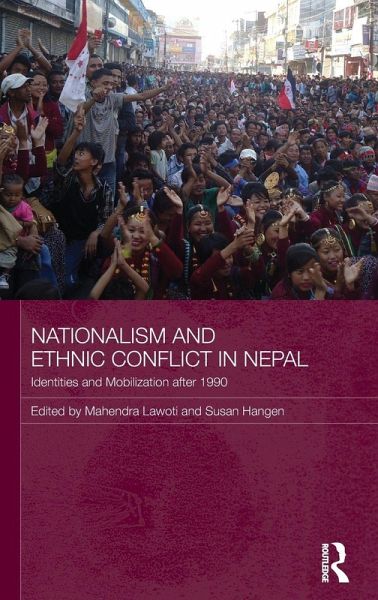
Ethnic and nationalist movements surged forward in Nepal after the restoration of democracy in 1990, surprising observers who believed that ethnic harmony prevailed in the country. This book analyses the rise in ethnic mobilization, the dynamics and trajectories of these movements, and their consequences for Nepal.
Identity movements, based on ethnicity, caste, language, religion and regional identity, have become increasingly significant in Nepal, reshaping debates on the definition of the nation, nationalism and the structure of the state. This book analyzes the rapid rise in ethnic and nationalist mobilization and conflict since 1990, the dynamics and trajectories of these movements, and their consequences for Nepal.
Identity movements, based on ethnicity, caste, language, religion and regional identity, have become increasingly significant in Nepal, reshaping debates on the definition of the nation, nationalism and the structure of the state. This book analyzes the rapid rise in ethnic and nationalist mobilization and conflict since 1990, the dynamics and trajectories of these movements, and their consequences for Nepal.