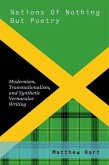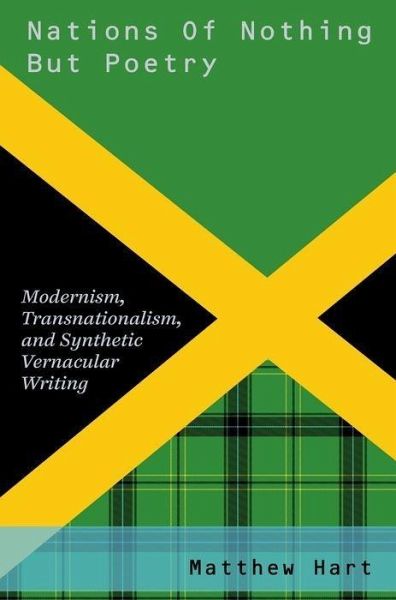
Modernism is typically associated with novelty and urbanity. So what happens when poets identify small communities and local languages with the spirit of transnational modernity? Are vernacular poetries inherently provincial or implicitly xenophobic? How did modernist poets use vernacular language to re-imagine the relations between people, their languages, and the communities in which they live?
Matthew Hart is Assistant Professor of English and Comparative Literature at Columbia University and he is the Associate Editor of the journal Contemporary Literature.
Inhaltsangabe
Introduction 1 1.: Vernacular Discourse from Major to Minor 47 2.: The Impossibility of Synthetic Scots; or, Hugh MacDiarmid's Nationalist Internationalism 94 3.: A Dialect Written in the Spelling of the Capital: Basil Bunting Goes Home 146 4.: Tradition and the Postcolonial Talent: T. S. Eliot versus E. K. Brathwaite 198 5.: Transnational Anthems and the Ship of State: Harryette Mullen, Melvin B. Tolson and the Politics of Afro-Modernism 263 Epilogue Denationalizing Mina Loy 328
Es gelten unsere Allgemeinen Geschäftsbedingungen: www.buecher.de/agb
Impressum
www.buecher.de ist ein Internetauftritt der buecher.de internetstores GmbH
Geschäftsführung: Monica Sawhney | Roland Kölbl | Günter Hilger
Sitz der Gesellschaft: Batheyer Straße 115 - 117, 58099 Hagen
Postanschrift: Bürgermeister-Wegele-Str. 12, 86167 Augsburg
Amtsgericht Hagen HRB 13257
Steuernummer: 321/5800/1497
USt-IdNr: DE450055826