Hodgins Et Al
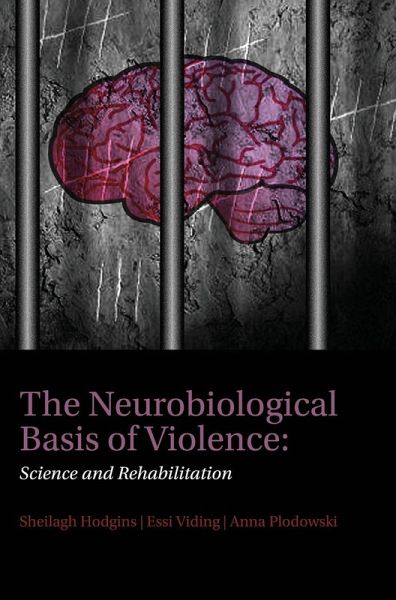
NEUROBIOLOGICAL BASIS OF VIOLENCE C
Hodgins Et Al
NEUROBIOLOGICAL BASIS OF VIOLENCE C
- Gebundenes Buch
Andere Kunden interessierten sich auch für
The Neurobiological Basis of Suicide81,99 €
Hinrich RahmannThe Neurobiological Basis of Memory and Behavior76,99 €
The Neurobiological Basis of Memory76,99 €
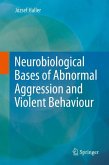
József HallerNeurobiological Bases of Abnormal Aggression and Violent Behaviour115,99 €
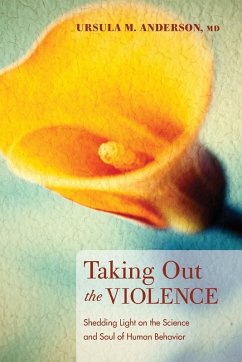
Ursula M. MD AndersonTaking Out the Violence15,99 €
Neurobiological Issues in Autism77,99 €
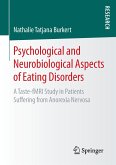
Nathalie Tatjana BurkertPsychological and Neurobiological Aspects of Eating Disorders38,99 €-
-
-
Produktdetails
- Verlag: ACADEMIC
- Seitenzahl: 426
- Erscheinungstermin: 12. Februar 2009
- Englisch
- Abmessung: 250mm x 175mm x 27mm
- Gewicht: 910g
- ISBN-13: 9780199543533
- ISBN-10: 0199543534
- Artikelnr.: 26201556
- Herstellerkennzeichnung
- Libri GmbH
- Europaallee 1
- 36244 Bad Hersfeld
- gpsr@libri.de
Sheilagh Hodgins is a Professor at the Institute of Psychiatry, King's College London. She is the author of numerous articles, book chapters, and books on mental disorders and violence. Her research endeavours to understand the developmental mechanisms associated with stable patterns of aggressive behaviours in individuals who present different mental disorders and to use this information to inform specific interventions. Essi Viding is a Reader at the Division of Psychology and Language Sciences, University College London. Her research explores the different developmental pathways that can lead to persistent antisocial behaviour, with a particular focus on psychopathy. Dr. Viding has trained in both behavioural genetics and cognitive neuroscience and uses a range of methodologies including twin model-fitting and fMRI in her research. Anna Plodowski is a post-doctoral research fellow at the Institute of Psychiatry, using the cognitive neuroscience methodologies of electrophysiology and fMRI to investigate persistent violent offending.
* Violent Offenders: Life-long Patterns
* 1: Rolf Loeber and Dustin Pardini: Neurobiology and the development
of violence: common assumptions and controversies
* 2: Candice L Odgers: The life-course persistent pathway of antisocial
behaviour: risks for violence and poor physical health
* 3: Sheilagh Hodgins: Violent behaviour among people with
schizophrenia: a framework for investigations of causes, and
effective treatment, and prevention
* Childhood Characteristics
* 4: Paul J Frick and AmÃ(c)lie Petitclerc: The use of
callous-unemotional traits to define important subtypes of antisocial
and violent youth
* 5: Mark R Dadds and Tracy Rhodes: Aggression in young children with
concurrent callous-unemotional traits: can the neurosciences inform
progress and innovation in treatment approaches?
* 6: Jonathan Hill, Lynne Murray, Vicki Leidecker and Helen Sharp: The
dynamics of threat, fear and intentionality in the conduct disorders:
longitudinal findings in the children of women with post-natal
depression
* Neurobiological Models and Findings
* 7: R James R Blair: The amygdala and ventromedial prefrontal cortex:
functional contributions and dysfunctions in psychopathy
* 8: Anna Plodowski, Sarah Gregory and Nigel Blackwood: Persistent
violent offending in adult men: a critical review in neuroimaging
studies
* 9: Philip Sterzer and Christina Stadler: Brain imaging in children
with conduct disorder
* 10: StÃ(c)phane de Brito and Sheilagh Hodgins: Executive functions of
persistent violent offenders: a critical review of the literature
* 11: Stephanie H M van Goozen and Graeme Fairchild: The
neuroendocrinology of antisocial behaviour
* 12: Christopher J Patrick and Edward M Bernat: From markers to
mechanisms: using psychophysiological measures to elucidate basic
processes underlying aggressive behaviour
* Genetic Contributions
* 13: Essi Viding, Henrik Larsson and Alice P Jones: Quantitative
genetic studies of antisocial behaviour
* 14: Joshua W Buckholtz and Andreas Meyer-Lindenberg: Gene-brain
associations: the example of MAOA
* Rehabilitation
* 15: James McGuire: Reducing personal violence: risk factors and
effective interventions
* 16: Eamon McCrory and Elly Farmer: Effective psychological
interventions for conduct problems: current evidence and new
directions
* 17: Conor Duggan: Why are programmes for offenders with personality
disorder not informed by the relevant scientific findings?
* 18: Richard E Tremblay: Understanding development and prevention of
chronic physical aggression: towards experimental epigenetic studies

* 1: Rolf Loeber and Dustin Pardini: Neurobiology and the development
of violence: common assumptions and controversies
* 2: Candice L Odgers: The life-course persistent pathway of antisocial
behaviour: risks for violence and poor physical health
* 3: Sheilagh Hodgins: Violent behaviour among people with
schizophrenia: a framework for investigations of causes, and
effective treatment, and prevention
* Childhood Characteristics
* 4: Paul J Frick and AmÃ(c)lie Petitclerc: The use of
callous-unemotional traits to define important subtypes of antisocial
and violent youth
* 5: Mark R Dadds and Tracy Rhodes: Aggression in young children with
concurrent callous-unemotional traits: can the neurosciences inform
progress and innovation in treatment approaches?
* 6: Jonathan Hill, Lynne Murray, Vicki Leidecker and Helen Sharp: The
dynamics of threat, fear and intentionality in the conduct disorders:
longitudinal findings in the children of women with post-natal
depression
* Neurobiological Models and Findings
* 7: R James R Blair: The amygdala and ventromedial prefrontal cortex:
functional contributions and dysfunctions in psychopathy
* 8: Anna Plodowski, Sarah Gregory and Nigel Blackwood: Persistent
violent offending in adult men: a critical review in neuroimaging
studies
* 9: Philip Sterzer and Christina Stadler: Brain imaging in children
with conduct disorder
* 10: StÃ(c)phane de Brito and Sheilagh Hodgins: Executive functions of
persistent violent offenders: a critical review of the literature
* 11: Stephanie H M van Goozen and Graeme Fairchild: The
neuroendocrinology of antisocial behaviour
* 12: Christopher J Patrick and Edward M Bernat: From markers to
mechanisms: using psychophysiological measures to elucidate basic
processes underlying aggressive behaviour
* Genetic Contributions
* 13: Essi Viding, Henrik Larsson and Alice P Jones: Quantitative
genetic studies of antisocial behaviour
* 14: Joshua W Buckholtz and Andreas Meyer-Lindenberg: Gene-brain
associations: the example of MAOA
* Rehabilitation
* 15: James McGuire: Reducing personal violence: risk factors and
effective interventions
* 16: Eamon McCrory and Elly Farmer: Effective psychological
interventions for conduct problems: current evidence and new
directions
* 17: Conor Duggan: Why are programmes for offenders with personality
disorder not informed by the relevant scientific findings?
* 18: Richard E Tremblay: Understanding development and prevention of
chronic physical aggression: towards experimental epigenetic studies
* Violent Offenders: Life-long Patterns
* 1: Rolf Loeber and Dustin Pardini: Neurobiology and the development
of violence: common assumptions and controversies
* 2: Candice L Odgers: The life-course persistent pathway of antisocial
behaviour: risks for violence and poor physical health
* 3: Sheilagh Hodgins: Violent behaviour among people with
schizophrenia: a framework for investigations of causes, and
effective treatment, and prevention
* Childhood Characteristics
* 4: Paul J Frick and AmÃ(c)lie Petitclerc: The use of
callous-unemotional traits to define important subtypes of antisocial
and violent youth
* 5: Mark R Dadds and Tracy Rhodes: Aggression in young children with
concurrent callous-unemotional traits: can the neurosciences inform
progress and innovation in treatment approaches?
* 6: Jonathan Hill, Lynne Murray, Vicki Leidecker and Helen Sharp: The
dynamics of threat, fear and intentionality in the conduct disorders:
longitudinal findings in the children of women with post-natal
depression
* Neurobiological Models and Findings
* 7: R James R Blair: The amygdala and ventromedial prefrontal cortex:
functional contributions and dysfunctions in psychopathy
* 8: Anna Plodowski, Sarah Gregory and Nigel Blackwood: Persistent
violent offending in adult men: a critical review in neuroimaging
studies
* 9: Philip Sterzer and Christina Stadler: Brain imaging in children
with conduct disorder
* 10: StÃ(c)phane de Brito and Sheilagh Hodgins: Executive functions of
persistent violent offenders: a critical review of the literature
* 11: Stephanie H M van Goozen and Graeme Fairchild: The
neuroendocrinology of antisocial behaviour
* 12: Christopher J Patrick and Edward M Bernat: From markers to
mechanisms: using psychophysiological measures to elucidate basic
processes underlying aggressive behaviour
* Genetic Contributions
* 13: Essi Viding, Henrik Larsson and Alice P Jones: Quantitative
genetic studies of antisocial behaviour
* 14: Joshua W Buckholtz and Andreas Meyer-Lindenberg: Gene-brain
associations: the example of MAOA
* Rehabilitation
* 15: James McGuire: Reducing personal violence: risk factors and
effective interventions
* 16: Eamon McCrory and Elly Farmer: Effective psychological
interventions for conduct problems: current evidence and new
directions
* 17: Conor Duggan: Why are programmes for offenders with personality
disorder not informed by the relevant scientific findings?
* 18: Richard E Tremblay: Understanding development and prevention of
chronic physical aggression: towards experimental epigenetic studies
* 1: Rolf Loeber and Dustin Pardini: Neurobiology and the development
of violence: common assumptions and controversies
* 2: Candice L Odgers: The life-course persistent pathway of antisocial
behaviour: risks for violence and poor physical health
* 3: Sheilagh Hodgins: Violent behaviour among people with
schizophrenia: a framework for investigations of causes, and
effective treatment, and prevention
* Childhood Characteristics
* 4: Paul J Frick and AmÃ(c)lie Petitclerc: The use of
callous-unemotional traits to define important subtypes of antisocial
and violent youth
* 5: Mark R Dadds and Tracy Rhodes: Aggression in young children with
concurrent callous-unemotional traits: can the neurosciences inform
progress and innovation in treatment approaches?
* 6: Jonathan Hill, Lynne Murray, Vicki Leidecker and Helen Sharp: The
dynamics of threat, fear and intentionality in the conduct disorders:
longitudinal findings in the children of women with post-natal
depression
* Neurobiological Models and Findings
* 7: R James R Blair: The amygdala and ventromedial prefrontal cortex:
functional contributions and dysfunctions in psychopathy
* 8: Anna Plodowski, Sarah Gregory and Nigel Blackwood: Persistent
violent offending in adult men: a critical review in neuroimaging
studies
* 9: Philip Sterzer and Christina Stadler: Brain imaging in children
with conduct disorder
* 10: StÃ(c)phane de Brito and Sheilagh Hodgins: Executive functions of
persistent violent offenders: a critical review of the literature
* 11: Stephanie H M van Goozen and Graeme Fairchild: The
neuroendocrinology of antisocial behaviour
* 12: Christopher J Patrick and Edward M Bernat: From markers to
mechanisms: using psychophysiological measures to elucidate basic
processes underlying aggressive behaviour
* Genetic Contributions
* 13: Essi Viding, Henrik Larsson and Alice P Jones: Quantitative
genetic studies of antisocial behaviour
* 14: Joshua W Buckholtz and Andreas Meyer-Lindenberg: Gene-brain
associations: the example of MAOA
* Rehabilitation
* 15: James McGuire: Reducing personal violence: risk factors and
effective interventions
* 16: Eamon McCrory and Elly Farmer: Effective psychological
interventions for conduct problems: current evidence and new
directions
* 17: Conor Duggan: Why are programmes for offenders with personality
disorder not informed by the relevant scientific findings?
* 18: Richard E Tremblay: Understanding development and prevention of
chronic physical aggression: towards experimental epigenetic studies