
Andere Kunden interessierten sich auch für
 Paradise48,99 €
 Kickstarting Your Academic Career25,99 €
 Ethical Issues in Community-Based Research with Children and Youth38,99 €
 Making and Breaking the Rules42,99 €
 When the State Trembled49,99 €
 Dreams of Equality43,99 €
 Militant Minority50,99 €



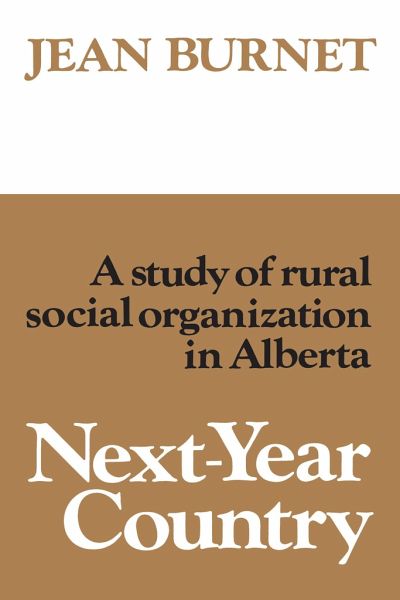
In this study of the problems of social organization in a rural community of Alberta, a drought-afflicted wheat-growing area centring round the town of Hanna is described as it appeared to the sociologist in 1946. Dr Burnet examines geographical and economic conditions in Hanna, and shows how farming practices, ways of living, and modes of tenure brought into the area from more humid regions proved ill adapted to the dry belt and delayed economic adjustment. In turn, the difficulties in the realm of economics had adverse social and cultural consequences in both the households and the community as a whole. The Hanna area was chosen for study, though not altogether typical, because it revealed more clearly than other areas not so severely hit by the drought of the 1930s the kind of disturbances within the Alberta social structure which made possible the rise of the Social Credit movement.