
Andere Kunden interessierten sich auch für
 The Camp, Housing, and the City97,99 €
 Shakespeare and Sexuality in the Comedy of Morecambe & Wise53,49 €
 The Absent Mother in the Cultural Imagination61,99 €
 Sounds and the City76,99 €
 Shakespeare and Sexuality in the Comedy of Morecambe & Wise53,99 €
 Housing, Urban Commons and the Right to the City in Post-Crisis Rome69,54 €
 Cross-cultural Landscapes: Investigating the Influence of Migration on Cities and Architecture113,99 €

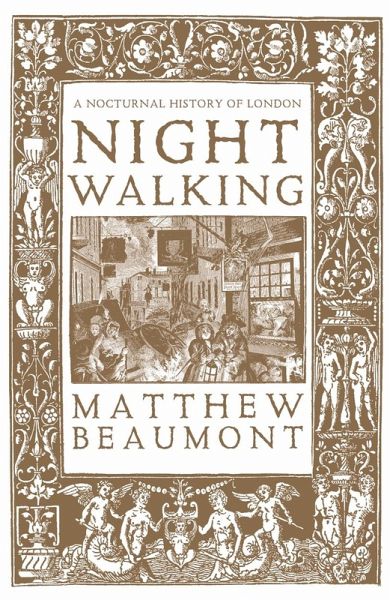
In this brilliant work of literary investigation, Matthew Beaumont shines a light on the shadowy perambulations of poets, novelists and thinkers: the fetid, treacherous streets known to Chaucer and Shakespeare; William Blake and his ecstatic peregrinations; the feverish ramblings of opium addict Thomas De Quincey; and, among the lamp-lit literary throng, the supreme nightwalker Charles Dickens. We discover how the nocturnal city has inspired some and served as a balm or narcotic to others. In each case, the city is revealed as a place divided between work and pleasure, the affluent and the indigent, where the entitled and the desperate rub shoulders.