
Andere Kunden interessierten sich auch für
 A Narrative of the Life of Mrs. Mary Jemison, Who Was Taken by the Indians, in the Year 1755, When Only About Twelve Years of Age, and Has Continued to Reside Amongst Them to the Present Time35,99 €
 Narrative of the Life and Adventures of Matthew Bunn ...: In an Expedition Against the North-western Indians, in the Years 1791, 2, 3, 4, and 520,99 €
 The Mohawk Warrior Society33,99 €
![A Selection of Some of the Most Interesting Narratives of Outrages, Committed by the Indians, in Their Wars, With the White People [microform]: Also,]( "A Selection of Some of the Most Interesting Narratives of Outrages, Committed by the Indians, in Their Wars, With the White People [microform]: Also,") A Selection of Some of the Most Interesting Narratives of Outrages, Committed by the Indians, in Their Wars, With the White People [microform]: Also,22,99 €
A Selection of Some of the Most Interesting Narratives of Outrages, Committed by the Indians, in Their Wars, With the White People [microform]: Also,22,99 € A Grammar of the Language of Lenni Lenape or Delaware Indians, Transaction of the American Philosophical Society 3: 65-25122,99 €
 My Life on the Plains19,99 €
 The Possibility of Tenderness20,99 €


![A Selection of Some of the Most Interesting Narratives of Outrages, Committed by the Indians, in Their Wars, With the White People [microform]: Also,](https://bilder.buecher.de/produkte/64/64533/64533156m.jpg "A Selection of Some of the Most Interesting Narratives of Outrages, Committed by the Indians, in Their Wars, With the White People [microform]: Also,")



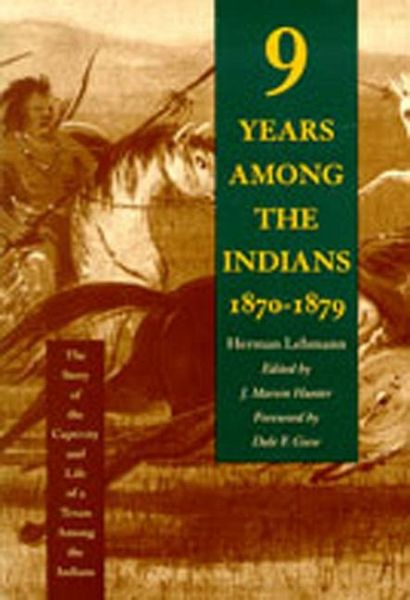
Here is a genuine "Little Big Man" story, with all the color, sweep, and tragedy of a classic American western. It is the tale of Herman Lehmann, a captive of the Apaches on the Southern Plains of Texas and New Mexico during the 1870s. Adopted by a war chief, he was trained to be a warrior and waged merciless war on Apache enemies, both Indian and Euro-American. After killing an Apache medicine man in self-defense, he fled to a lonely hermitage on the Southern Plains until he joined the Comanches. Against his will, Lehmann was returned to his family in 1879. The final chapters relate his difficult readjustment to Anglo life. Lehmanns unapologetic narrative is extraordinary for its warm embrace of Native Americans and stinging appraisal of Anglo society. Once started, the story of this remarkable man cannot be put down. Dale Gieses introduction provides a framework for interpreting the Lehmann narrative.
As a young child, Herman Lehmann was captured by a band of plundering Apache Indians and remained with them for nine years. This is his dramatic and unique story.
As a young child, Herman Lehmann was captured by a band of plundering Apache Indians and remained with them for nine years. This is his dramatic and unique story.