11,99 €
inkl. MwSt.
Versandkostenfrei*Erscheint vorauss. 2. April 2026
Melden Sie sich
hier
hier
für den Produktalarm an, um über die Verfügbarkeit des Produkts informiert zu werden.
oder sofort lesen als eBook

6 °P sammeln
Andere Kunden interessierten sich auch für
 Pathogenesis15,99 €
 The Wide Wide Sea27,99 €
 A Travel Guide to the Middle Ages16,99 €
 The Wide Wide Sea20,99 €
 How We Got to Now11,99 €
 Four Red Sweaters21,99 €
 The Western Front17,99 €


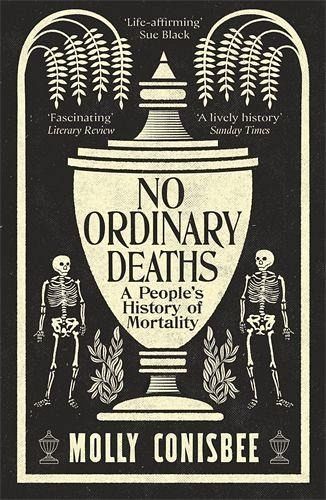
'A beautifully written and thought provoking journey' Professor Sue Black, author of All That Remains 'There surely won't be a better history of the subject than Conisbee's' Literary Review 'Richly researched ... an intimate chronology' TLS The lost art of 'dying well' was common knowledge to our ancestors - who, living closer to death than we do, had an intimate and integrated relationship with the afterlife. For centuries, cycles of death, dying and disposal have shaped society, from the death-watchers of the Middle Age to the pomp of Victorian funeral wear. Ranging from the plague pit to the grave-robbery, from consecrated ground to the hangman's drop, No Ordinary Deaths is a groundbreaking work of social history which asks: how did our ancestors live, and die? How might the old ways help prepare us for our own ends?