
Andere Kunden interessierten sich auch für
 Fairness and Rights in International Criminal Procedure127,99 €
 Fairness and Rights in International Criminal Procedure34,99 €
 International Law47,99 €
 The Authority of International Criminal Law112,99 €
 The Concept of Race in International Criminal Law45,99 €
 Core Concepts in Criminal Law and Criminal Justice120,99 €
 Justification and Excuse in International Law128,99 €



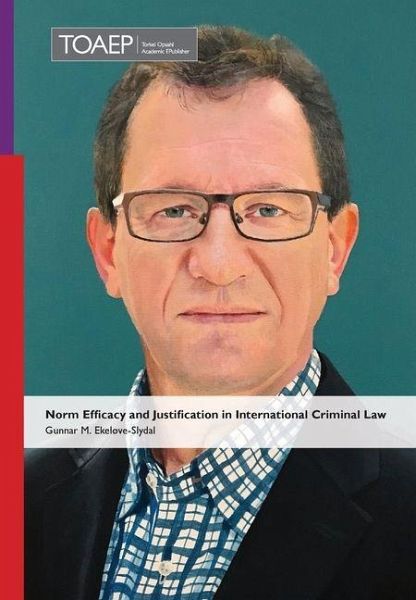
This book examines the efficacy and justification of international criminal law. The discipline of international law requires solid foundations and support from all continents. It can only succeed in reducing excessive use of force - war crimes, crimes against humanity, aggression and genocide - if its norms and the courts that enforce them are credible and legitimate. Many actors can contribute to its improved efficacy, including military leaders, prosecutors and judges, the community of legal scholars and civil society groups that document crimes and advocate for justice. State officials must respect the norms and support enforcement. Religious leaders can play important roles in reducing crimes. The efficacy of norms also depends on how well they are justified. The book examines the support of philosophical schools and religions for the values that international criminal law protects, including humanism, utilitarianism, Kantianism and existentialism. Those who serve international criminal jurisdictions must do so with integrity and professionalism, pursuant to high standards of quality control. This book discusses integrity issues in international organizations and the International Criminal Court. The author also questions his own country's credibility as a supporter of international justice in light of Norway's past wrongdoing against Romani and Sámi populations and how it deals with that past. This collection of essays reflects the author's belief that law matters. He cites evidence that humanitarian and human rights norms lower inter-state and intra-state violence. International criminal law matters most for those it aims to protect and those seeking justice.