
Andere Kunden interessierten sich auch für
 Domestic Manners of the Americans17,99 €
 The Cambridge Gazetteer of the USA and Canada68,99 €
 Celebrating the City of San Jose14,99 €
 Hidden Treasures of the Disney Cruise Line24,99 €
 The Road to Duchesne29,99 €
 Cruising the Big U22,99 €
 HowExpert Guide to Sonoma County without the Wine22,99 €




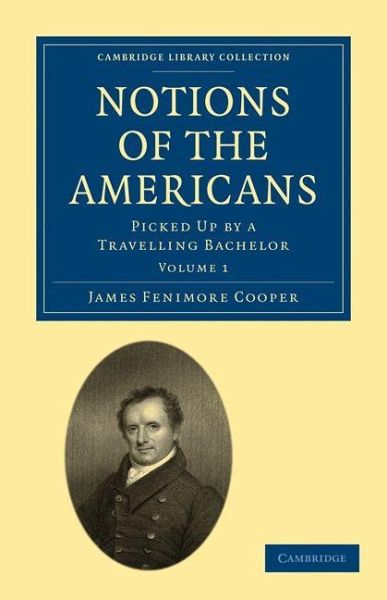
The 'Travelling Bachelor' who is named as author on the original title page of this two-volume work is in fact James Fenimore Cooper (1789-1851), best remembered today as the writer of The Last of the Mohicans (1826), generally regarded as his masterpiece, which has remained in print and been adapted for cinema and television many times. In fact, Cooper was a prolific author of political journalism and travel writing as well as novels. His Notions of the Americans is an epistolary work in which Cooper adopts the persona of a well-travelled European clubman who has decided to explore the United States in the same spirit as that in which the offspring of the British nobility undertook the Grand Tour. Within a light-hearted narrative, Cooper's serious purpose was to reveal the nature of this brand-new nation to his own countrymen as well as to Europeans.