
Andere Kunden interessierten sich auch für
 Pablo de Segovia, the Spanish Sharper21,95 €
 Toilers of the Sea29,90 €
 Charlotte Temple18,95 €
 Such Is Life27,90 €
 The Awakening21,95 €
 Michael Strogoff21,90 €
 The Jungle27,90 €







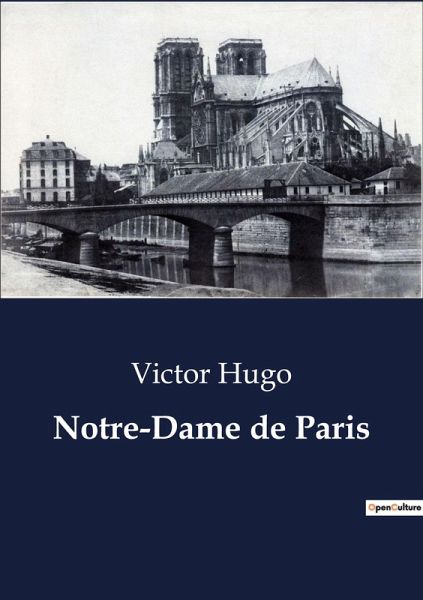
"Notre-Dame de Paris," also known as "The Hunchback of Notre-Dame," is a classic novel by Victor Hugo that explores themes of love, fate, and social injustice set against the backdrop of 15th-century Paris. The story begins with a grand public event at the Palais de Justice, where a morality play is to be performed. The crowd, eager for entertainment, grows restless as they await the arrival of the Flemish ambassadors and the commencement of the play. Amidst the chaos, Pierre Gringoire, the playwright, anxiously anticipates the reception of his work. The narrative introduces a diverse cast of characters, including the deformed bell-ringer Quasimodo, the beautiful gypsy Esmeralda, and the conflicted archdeacon Claude Frollo. As the story unfolds, these characters become entangled in a web of unrequited love, jealousy, and tragedy. Quasimodo's devotion to Esmeralda, Frollo's obsessive desire, and Gringoire's quest for recognition highlight the complexities of human emotion and the harsh realities of societal norms. Hugo's vivid descriptions of Notre-Dame Cathedral and the vibrant city of Paris serve as a powerful backdrop to the unfolding drama, emphasizing the novel's exploration of the tension between the past and the present, and the individual's struggle against destiny.