
Andere Kunden interessierten sich auch für
 History of Medicine in New York: Three Centuries of Medical Progress23,99 €
 Arab Medicine & Surgery: A Study of the Healing art in Algeria17,99 €
 Practice of Medicine and Surgery by the Canadian Tribes in Champlain's Time14,99 €
 Bleeding Blue and Gray17,99 €
 Frontier Medicine at Fort Davis and Other Army Posts18,99 €
 The Politics of Madness59,99 €
 Superstition in Medicine14,99 €
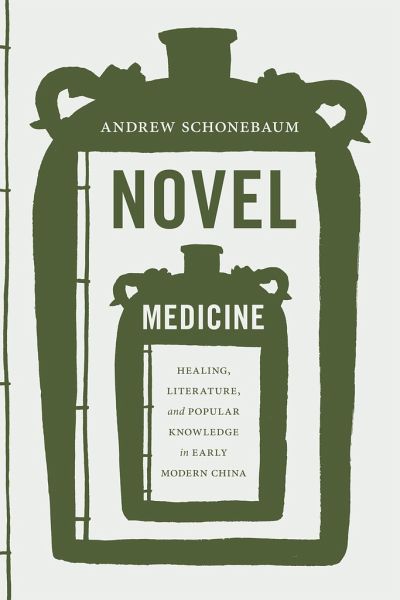
By examining the dynamic interplay between discourses of fiction and medicine, Novel Medicine demonstrates how fiction incorporated, created, and disseminated medical knowledge in China, beginning in the sixteenth century. Critical readings of fictional and medical texts provide a counterpoint to prevailing narratives that focus only on the "literati" aspects of the novel, showing that these texts were not merely read, but were used by a wide variety of readers for a range of purposes. The intersection of knowledge-fictional and real, elite and vernacular-illuminates the history of reading and daily life and challenges us to rethink the nature of Chinese literature. The open access publication of this book was made possible by a grant from the James P. Geiss and Margaret Y. Hsu Foundation. DOI: 10.6069/9780295806327