
Andere Kunden interessierten sich auch für
 Building Socialism in Bolshevik Russia52,99 €
 Stalin's Railroad56,99 €
 Means and Ends20,99 €
 A Spectre, Haunting17,99 €
 In Confidence35,99 €
 Making Sense of Anarchism13,99 €
 Looking for the Proletariat40,99 €







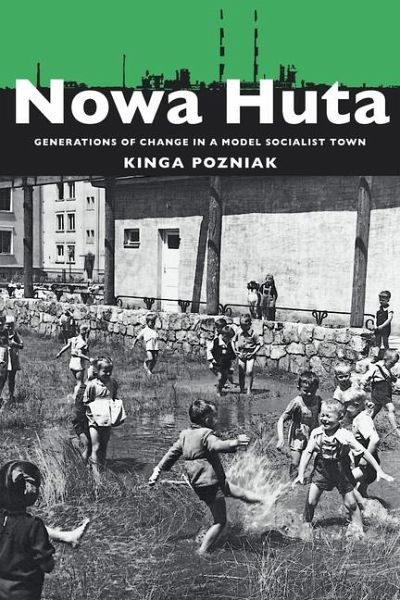
In 1949 construction of the planned town of Nowa Huta began on the outskirts of Kraków, Poland. Its centerpiece, the Lenin Steelworks, promised a secure future for workers and their families. By the 1980s, however, the rise of the Solidarity movement and the ensuing shock therapy program of the early 1990s rapidly transitioned the country from socialism to a market-based economy, and Nowa Huta fell on hard times. > Pozniak examines the factors that lead to the rewriting of history and the formation of memory, and the use of history to sustain current political and economic agendas. She finds that despite attempts to create a single, hegemonic vision of the past and a path for the future, these discourses are always contested--a dynamic that, for the residents of Nowa Huta, allows them to adapt as their personal experience tells them.