
Andere Kunden interessierten sich auch für
 Das letzte Urteil19,95 €
 Die Verfolgung von NS-Verbrechern in der SBZ/DDR am Beispiel der Waldheimer Prozesse 195017,95 €
![]() "Von Gott und der Welt verlassen"34,00 €
"Von Gott und der Welt verlassen"34,00 € Holocaust und Kriegsverbrechen vor Gericht39,90 €
 Tatort Sachsenhausen29,00 €
 Dachauer Prozesse16,00 €
 Die Toten von Meschede44,90 €


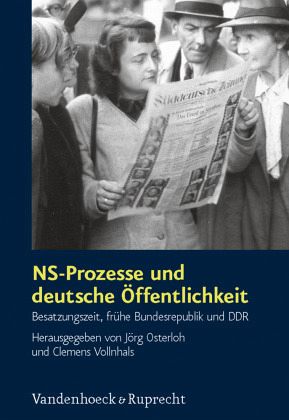
This volume contains 20 contributions that look at the reactions of the German public in East and West to the important trials against the Nazi leaders in both Allied and German courtrooms which took place during the Allied Occupation and in the early days of the two German states. They point out the differences and interactions that occurred between the prosecution in East and West and show how the public perception developed over time. The methods employed in the West zones were marked by many contradictions, whereas in the Soviet Occupied Territory, following an initial laxness, the courts and public came to serve the purposes of the East German Communist Party (SED).
Hinweis: Dieser Artikel kann nur an eine deutsche Lieferadresse ausgeliefert werden.
Hinweis: Dieser Artikel kann nur an eine deutsche Lieferadresse ausgeliefert werden.