
Obstetrics & Gynaecology
A Comprehensive Guide for MRCOG
Herausgeber: Kilby, Mark D; Luesley, David M
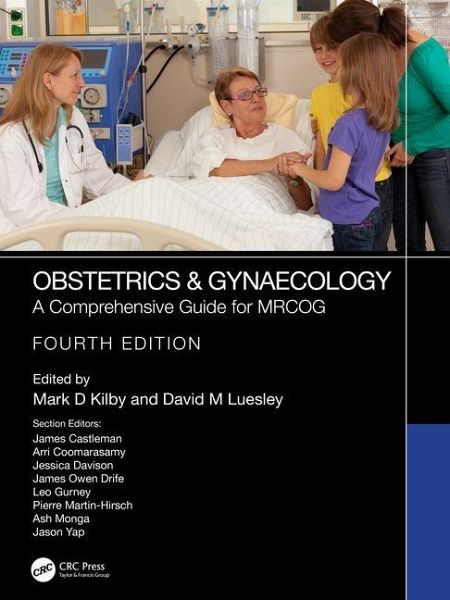
Obstetrics & Gynaecology
A Comprehensive Guide for MRCOG
Herausgeber: Kilby, Mark D; Luesley, David M
- Gebundenes Buch
- Merkliste
- Auf die Merkliste
- Bewerten Bewerten
- Teilen
- Produkt teilen
- Produkterinnerung
- Produkterinnerung
The new edition of this bestselling book provides all the information a specialist 'resident doctor' in obstetrics and gynaecology needs during training or when preparing for the MRCOG examination. It covers the latest professional guidelines and developments in obstetrics and gynaecology. This text will continue to be an invaluable companion to the higher training of obstetricians and gynaecologists as well as a useful ready reference for those in established practice. FROM REVIEWS OF PREVIOUS EDITIONS "an impressive general all round textbook ... covers its topic in excellent detail" Glycosmedia…mehr
Andere Kunden interessierten sich auch für
 Intracytoplasmic Sperm Injection38,99 €
 Preimplantation Genetic Diagnosis in Clinical Practice38,99 €
 Klinische Endokrinologie für Frauenärzte219,99 €
 Oxford Handbook of Urology33,99 €
 Frank NawrothDiagnostik und Therapie der weiblichen Sterilität39,95 €
 Bleeding During Pregnancy38,99 €
 Roger P. SmithDysmenorrhea and Menorrhagia68,99 €
-
-
-





The new edition of this bestselling book provides all the information a specialist 'resident doctor' in obstetrics and gynaecology needs during training or when preparing for the MRCOG examination. It covers the latest professional guidelines and developments in obstetrics and gynaecology. This text will continue to be an invaluable companion to the higher training of obstetricians and gynaecologists as well as a useful ready reference for those in established practice. FROM REVIEWS OF PREVIOUS EDITIONS "an impressive general all round textbook ... covers its topic in excellent detail" Glycosmedia
Produktdetails
- Produktdetails
- Verlag: Taylor & Francis
- 4. Auflage
- Seitenzahl: 774
- Erscheinungstermin: 26. November 2025
- Englisch
- Abmessung: 214mm x 287mm x 48mm
- Gewicht: 2306g
- ISBN-13: 9781032117812
- ISBN-10: 1032117818
- Artikelnr.: 72176618
- Herstellerkennzeichnung
- Libri GmbH
- Europaallee 1
- 36244 Bad Hersfeld
- gpsr@libri.de
- Verlag: Taylor & Francis
- 4. Auflage
- Seitenzahl: 774
- Erscheinungstermin: 26. November 2025
- Englisch
- Abmessung: 214mm x 287mm x 48mm
- Gewicht: 2306g
- ISBN-13: 9781032117812
- ISBN-10: 1032117818
- Artikelnr.: 72176618
- Herstellerkennzeichnung
- Libri GmbH
- Europaallee 1
- 36244 Bad Hersfeld
- gpsr@libri.de
Mark D Kilby, MD, DSc, FRCOG, FRCPI, FHKCOG Emeritus Professor in Fetal Medicine, University of Birmingham, and Consultant in Fetal Medicine at the Fetal Medicine Centre, Birmingham Women's and Children's NHS Foundation Trust, UK David M Luesley, MD, FRCOG Emeritus Professor of Gynaecological Oncology, University of Birmingham, UK Section Editors: James Castleman MD, MRCOG Consultant in Maternal & Fetal Medicine at the Fetal Medicine Centre, Birmingham Women's and Children's NHS FoundationTrust, UK Arri Coomarasamy OBE, MBChB, MD, FRCOG, FMedSciProfessor of Gynaecology and Reproductive Medicine, University of Birmingham, UK Jessica Davison MD, MRCOG Consultant in Obstetrics, Birmingham Women's and Children's NHS Foundation Trust, UK James Owen Drife MD, FRCOG, FRCPEd, FRCSEd, FCOGSA, FFSRH Emeritus Professor of Obstetrics and Gynaecology, University of Leeds, UK Leo Gurney MD, MRCOG Consultant in Maternal & Fetal Medicine at the Fetal Medicine Centre, Birmingham Women's and Children's NHS Foundation Trust, UK Pierre Martin-Hirsch MD, FRCOG Consultant Gynaecological Oncologist and Research Director, Lancashire Teaching Hospitals NHS Foundation Trust, UK Ash Monga FRCOG Consultant Gynaecologist and Subspecialist Urogynaecologist, University Hospital Southampton NHS Foundation Trust, UK Jason Yap MRCOG, PhD Associate Clinical Professor of Gynaecological Oncology, University of Birmingham, and Consultant Gynaecological Cancer Surgeon, Pan-Birmingham Gynaecological Cancer Centre, UK
Preface.
List of contributors.
List of abbreviations.
I: General
1.1. Evidence-based Medicine and medical informatics. 1.2. General
principles in surgery. 1.3. Communication and counselling skills in
obstetrics and gynaecology. 1.4. The Law, Medicine, and Women's Rights.
1.5. The management of clinical risk. 1.6. Mothers and Babies: Reducing
Risk through Audits and Confidential Enquiries across the UK. 1.7. The
MRCOG examination. 1.8. Non-operative Technical Skills for Surgeons.
II: Antenatal
2.1. Routine Antenatal Care: An Overview. 2.2. Chronic Hypertension. 2.3.
Diabetes Mellitus, including Gestational diabetes. 2.4. Cardiac Diseases in
pregnancy. 2.5. Thyroid Disease in pregnancy. 2.6. Haematology in
Obstetrics. 2.7. Kidney Disease in pregnancy. 2.8. Autoimmune mediated
Rheumatological diseases in Pregnancy. 2.9. Liver and Gastrointestinal
Disease in Pregnancy. 2.10. Respiratory Disease in Pregnancy. 2.11.
Neurological Conditions in pregnancy. 2.12. Substance Abuse. 2.13. Skin
Disease in Pregnancy. 2.14. Malignancy in pregnancy. 2.15. Maternal
Infection in Pregnancy. 2.16. Pre-eclampsia. 2.17. Psychiatric Disease and
Pregnancy. 2.18. Antenatal care: Medication and Pregnancy. 2.19. Maternal
collapse.
III: Fetal conditions
3.1. Screening in Pregnancy. 3.2. Ultrasound Screening. 3.3. Invasive and
Non-Invasive Prenatal Diagnosis. 3.4. Understanding Genetics and Genetic
Testing. 3.5. Multiple Pregnancy. 3.6. Fetal infection for MRCOG. 3.7.
Tests of Fetal Wellbeing and Preventing Stillbirth. 3.8. Screening and
Management of Fetal Growth Disorders. 3.9. Aberrant liquor volume. 3.10.
Malpresentation. 3.11. Diagnosis of and Care in Labour. 3.12. Preterm
Birth. 3.13. Premature rupture of membranes. 3.14. Antepartum haemorrhage.
3.15. Intrauterine Fetal Death and Stillbirth. 3.16. The Induction of
Labour. 3.17. Management of abnormal progress in labour. 3.18. Fetal
compromise in the first stage of labour. 3.19. Caesarean Section. 3.20.
Placenta Accreta Syndrome.
IV: Second stage of labour
4.1. Fetal Compromise in the Second Stage of Labour. 4.2. Shoulder
Dystocia. 4.3. Instrumental Vaginal Delivery. 4.4. Breech. 4.5. Perineal
Trauma for MRCOG. 4.6. Perinatal Asphyxia. 4.7. Neonatal Resuscitation.
4.8. Perinatal Mortality.
V: Puerperium
5.1. Problems with Breastfeeding. 5.2. Maternal Pyrexia. 5.3. Postpartum
Haemorrhage.
VI: Reproductive Gynaecology
6.1. Normal and abnormal development of the genitalia. 6.2. Karyotypic
abnormalities. 6.3. Menarche and adolescent gynaecology. 6.4. Ovarian and
menstrual cycles. 6.5. Contraception and termination of pregnancy. 6.6.
Endometrial function. 6.7. Uterine fibroids and Heavy menstrual bleeding.
6.8. Abnormal uterine bleeding. 6.9. Dysmenorrhoea and pelvic pain. 6.10.
Endometriosis. 6.11. Adenomyosis. 6.12. Premenstrual syndrome. 6.13.
Normal conception. 6.14. Female infertility. 6.15. Male infertility. 6.16.
Unexplained infertility. 6.17. Assisted reproduction. 6.18. Polycystic
ovarian syndrome. 6.19. Hirsutism and Virilisation. 6.20. Amenorrhoea and
oligomenorrhoea. 6.21. Menopause. 6.22. Miscarriage. 6.23. Ectopic
pregnancy - Lucrezia Viola de Braud, Sarah Solangon, and Davor Jurkovic.
6.24. Premature ovarian insufficiency n. 6.25. Fertility preservation.
6.26. Psychosexual medicine.
VII: Urogynaecology and Sexual Health and Wellbeing
7.1. Assessment of lower urinary tract function. 7.2. Urinary incontinence.
7.3. Other lower urinary tract disorders. 7.4. Lower urinary tract
infections. 7.5. Urogenital prolapse. 7.6. Pelvic Infection and sexual
health. 7.7. Dyspareunia and other psychosexual problems. 7.8. Child sexual
abuse. 7.9. Rape and sexual assault. 7.10. Female Genital Mutilation.
VIII: Lower Genital Tract
8.1. Benign vulval problems. 8.2. Vulvodynia. 8.3. Management of Vulval
intraepithelial Neoplasia. 8.4. Cervical Intraepithelial Neoplasia and
Screening.
IX: Gynaecological Oncology
9.1. Endometrial cancer. 9.2. Cervical cancer. 9.3. Ovarian Cancer. 9.4.
Vulval and vaginal cancers. 9.5. Gestational trophoblastic disease. 9.6.
Rare Gynaecological Cancers.
Index.
List of contributors.
List of abbreviations.
I: General
1.1. Evidence-based Medicine and medical informatics. 1.2. General
principles in surgery. 1.3. Communication and counselling skills in
obstetrics and gynaecology. 1.4. The Law, Medicine, and Women's Rights.
1.5. The management of clinical risk. 1.6. Mothers and Babies: Reducing
Risk through Audits and Confidential Enquiries across the UK. 1.7. The
MRCOG examination. 1.8. Non-operative Technical Skills for Surgeons.
II: Antenatal
2.1. Routine Antenatal Care: An Overview. 2.2. Chronic Hypertension. 2.3.
Diabetes Mellitus, including Gestational diabetes. 2.4. Cardiac Diseases in
pregnancy. 2.5. Thyroid Disease in pregnancy. 2.6. Haematology in
Obstetrics. 2.7. Kidney Disease in pregnancy. 2.8. Autoimmune mediated
Rheumatological diseases in Pregnancy. 2.9. Liver and Gastrointestinal
Disease in Pregnancy. 2.10. Respiratory Disease in Pregnancy. 2.11.
Neurological Conditions in pregnancy. 2.12. Substance Abuse. 2.13. Skin
Disease in Pregnancy. 2.14. Malignancy in pregnancy. 2.15. Maternal
Infection in Pregnancy. 2.16. Pre-eclampsia. 2.17. Psychiatric Disease and
Pregnancy. 2.18. Antenatal care: Medication and Pregnancy. 2.19. Maternal
collapse.
III: Fetal conditions
3.1. Screening in Pregnancy. 3.2. Ultrasound Screening. 3.3. Invasive and
Non-Invasive Prenatal Diagnosis. 3.4. Understanding Genetics and Genetic
Testing. 3.5. Multiple Pregnancy. 3.6. Fetal infection for MRCOG. 3.7.
Tests of Fetal Wellbeing and Preventing Stillbirth. 3.8. Screening and
Management of Fetal Growth Disorders. 3.9. Aberrant liquor volume. 3.10.
Malpresentation. 3.11. Diagnosis of and Care in Labour. 3.12. Preterm
Birth. 3.13. Premature rupture of membranes. 3.14. Antepartum haemorrhage.
3.15. Intrauterine Fetal Death and Stillbirth. 3.16. The Induction of
Labour. 3.17. Management of abnormal progress in labour. 3.18. Fetal
compromise in the first stage of labour. 3.19. Caesarean Section. 3.20.
Placenta Accreta Syndrome.
IV: Second stage of labour
4.1. Fetal Compromise in the Second Stage of Labour. 4.2. Shoulder
Dystocia. 4.3. Instrumental Vaginal Delivery. 4.4. Breech. 4.5. Perineal
Trauma for MRCOG. 4.6. Perinatal Asphyxia. 4.7. Neonatal Resuscitation.
4.8. Perinatal Mortality.
V: Puerperium
5.1. Problems with Breastfeeding. 5.2. Maternal Pyrexia. 5.3. Postpartum
Haemorrhage.
VI: Reproductive Gynaecology
6.1. Normal and abnormal development of the genitalia. 6.2. Karyotypic
abnormalities. 6.3. Menarche and adolescent gynaecology. 6.4. Ovarian and
menstrual cycles. 6.5. Contraception and termination of pregnancy. 6.6.
Endometrial function. 6.7. Uterine fibroids and Heavy menstrual bleeding.
6.8. Abnormal uterine bleeding. 6.9. Dysmenorrhoea and pelvic pain. 6.10.
Endometriosis. 6.11. Adenomyosis. 6.12. Premenstrual syndrome. 6.13.
Normal conception. 6.14. Female infertility. 6.15. Male infertility. 6.16.
Unexplained infertility. 6.17. Assisted reproduction. 6.18. Polycystic
ovarian syndrome. 6.19. Hirsutism and Virilisation. 6.20. Amenorrhoea and
oligomenorrhoea. 6.21. Menopause. 6.22. Miscarriage. 6.23. Ectopic
pregnancy - Lucrezia Viola de Braud, Sarah Solangon, and Davor Jurkovic.
6.24. Premature ovarian insufficiency n. 6.25. Fertility preservation.
6.26. Psychosexual medicine.
VII: Urogynaecology and Sexual Health and Wellbeing
7.1. Assessment of lower urinary tract function. 7.2. Urinary incontinence.
7.3. Other lower urinary tract disorders. 7.4. Lower urinary tract
infections. 7.5. Urogenital prolapse. 7.6. Pelvic Infection and sexual
health. 7.7. Dyspareunia and other psychosexual problems. 7.8. Child sexual
abuse. 7.9. Rape and sexual assault. 7.10. Female Genital Mutilation.
VIII: Lower Genital Tract
8.1. Benign vulval problems. 8.2. Vulvodynia. 8.3. Management of Vulval
intraepithelial Neoplasia. 8.4. Cervical Intraepithelial Neoplasia and
Screening.
IX: Gynaecological Oncology
9.1. Endometrial cancer. 9.2. Cervical cancer. 9.3. Ovarian Cancer. 9.4.
Vulval and vaginal cancers. 9.5. Gestational trophoblastic disease. 9.6.
Rare Gynaecological Cancers.
Index.
Preface.
List of contributors.
List of abbreviations.
I: General
1.1. Evidence-based Medicine and medical informatics. 1.2. General
principles in surgery. 1.3. Communication and counselling skills in
obstetrics and gynaecology. 1.4. The Law, Medicine, and Women's Rights.
1.5. The management of clinical risk. 1.6. Mothers and Babies: Reducing
Risk through Audits and Confidential Enquiries across the UK. 1.7. The
MRCOG examination. 1.8. Non-operative Technical Skills for Surgeons.
II: Antenatal
2.1. Routine Antenatal Care: An Overview. 2.2. Chronic Hypertension. 2.3.
Diabetes Mellitus, including Gestational diabetes. 2.4. Cardiac Diseases in
pregnancy. 2.5. Thyroid Disease in pregnancy. 2.6. Haematology in
Obstetrics. 2.7. Kidney Disease in pregnancy. 2.8. Autoimmune mediated
Rheumatological diseases in Pregnancy. 2.9. Liver and Gastrointestinal
Disease in Pregnancy. 2.10. Respiratory Disease in Pregnancy. 2.11.
Neurological Conditions in pregnancy. 2.12. Substance Abuse. 2.13. Skin
Disease in Pregnancy. 2.14. Malignancy in pregnancy. 2.15. Maternal
Infection in Pregnancy. 2.16. Pre-eclampsia. 2.17. Psychiatric Disease and
Pregnancy. 2.18. Antenatal care: Medication and Pregnancy. 2.19. Maternal
collapse.
III: Fetal conditions
3.1. Screening in Pregnancy. 3.2. Ultrasound Screening. 3.3. Invasive and
Non-Invasive Prenatal Diagnosis. 3.4. Understanding Genetics and Genetic
Testing. 3.5. Multiple Pregnancy. 3.6. Fetal infection for MRCOG. 3.7.
Tests of Fetal Wellbeing and Preventing Stillbirth. 3.8. Screening and
Management of Fetal Growth Disorders. 3.9. Aberrant liquor volume. 3.10.
Malpresentation. 3.11. Diagnosis of and Care in Labour. 3.12. Preterm
Birth. 3.13. Premature rupture of membranes. 3.14. Antepartum haemorrhage.
3.15. Intrauterine Fetal Death and Stillbirth. 3.16. The Induction of
Labour. 3.17. Management of abnormal progress in labour. 3.18. Fetal
compromise in the first stage of labour. 3.19. Caesarean Section. 3.20.
Placenta Accreta Syndrome.
IV: Second stage of labour
4.1. Fetal Compromise in the Second Stage of Labour. 4.2. Shoulder
Dystocia. 4.3. Instrumental Vaginal Delivery. 4.4. Breech. 4.5. Perineal
Trauma for MRCOG. 4.6. Perinatal Asphyxia. 4.7. Neonatal Resuscitation.
4.8. Perinatal Mortality.
V: Puerperium
5.1. Problems with Breastfeeding. 5.2. Maternal Pyrexia. 5.3. Postpartum
Haemorrhage.
VI: Reproductive Gynaecology
6.1. Normal and abnormal development of the genitalia. 6.2. Karyotypic
abnormalities. 6.3. Menarche and adolescent gynaecology. 6.4. Ovarian and
menstrual cycles. 6.5. Contraception and termination of pregnancy. 6.6.
Endometrial function. 6.7. Uterine fibroids and Heavy menstrual bleeding.
6.8. Abnormal uterine bleeding. 6.9. Dysmenorrhoea and pelvic pain. 6.10.
Endometriosis. 6.11. Adenomyosis. 6.12. Premenstrual syndrome. 6.13.
Normal conception. 6.14. Female infertility. 6.15. Male infertility. 6.16.
Unexplained infertility. 6.17. Assisted reproduction. 6.18. Polycystic
ovarian syndrome. 6.19. Hirsutism and Virilisation. 6.20. Amenorrhoea and
oligomenorrhoea. 6.21. Menopause. 6.22. Miscarriage. 6.23. Ectopic
pregnancy - Lucrezia Viola de Braud, Sarah Solangon, and Davor Jurkovic.
6.24. Premature ovarian insufficiency n. 6.25. Fertility preservation.
6.26. Psychosexual medicine.
VII: Urogynaecology and Sexual Health and Wellbeing
7.1. Assessment of lower urinary tract function. 7.2. Urinary incontinence.
7.3. Other lower urinary tract disorders. 7.4. Lower urinary tract
infections. 7.5. Urogenital prolapse. 7.6. Pelvic Infection and sexual
health. 7.7. Dyspareunia and other psychosexual problems. 7.8. Child sexual
abuse. 7.9. Rape and sexual assault. 7.10. Female Genital Mutilation.
VIII: Lower Genital Tract
8.1. Benign vulval problems. 8.2. Vulvodynia. 8.3. Management of Vulval
intraepithelial Neoplasia. 8.4. Cervical Intraepithelial Neoplasia and
Screening.
IX: Gynaecological Oncology
9.1. Endometrial cancer. 9.2. Cervical cancer. 9.3. Ovarian Cancer. 9.4.
Vulval and vaginal cancers. 9.5. Gestational trophoblastic disease. 9.6.
Rare Gynaecological Cancers.
Index.
List of contributors.
List of abbreviations.
I: General
1.1. Evidence-based Medicine and medical informatics. 1.2. General
principles in surgery. 1.3. Communication and counselling skills in
obstetrics and gynaecology. 1.4. The Law, Medicine, and Women's Rights.
1.5. The management of clinical risk. 1.6. Mothers and Babies: Reducing
Risk through Audits and Confidential Enquiries across the UK. 1.7. The
MRCOG examination. 1.8. Non-operative Technical Skills for Surgeons.
II: Antenatal
2.1. Routine Antenatal Care: An Overview. 2.2. Chronic Hypertension. 2.3.
Diabetes Mellitus, including Gestational diabetes. 2.4. Cardiac Diseases in
pregnancy. 2.5. Thyroid Disease in pregnancy. 2.6. Haematology in
Obstetrics. 2.7. Kidney Disease in pregnancy. 2.8. Autoimmune mediated
Rheumatological diseases in Pregnancy. 2.9. Liver and Gastrointestinal
Disease in Pregnancy. 2.10. Respiratory Disease in Pregnancy. 2.11.
Neurological Conditions in pregnancy. 2.12. Substance Abuse. 2.13. Skin
Disease in Pregnancy. 2.14. Malignancy in pregnancy. 2.15. Maternal
Infection in Pregnancy. 2.16. Pre-eclampsia. 2.17. Psychiatric Disease and
Pregnancy. 2.18. Antenatal care: Medication and Pregnancy. 2.19. Maternal
collapse.
III: Fetal conditions
3.1. Screening in Pregnancy. 3.2. Ultrasound Screening. 3.3. Invasive and
Non-Invasive Prenatal Diagnosis. 3.4. Understanding Genetics and Genetic
Testing. 3.5. Multiple Pregnancy. 3.6. Fetal infection for MRCOG. 3.7.
Tests of Fetal Wellbeing and Preventing Stillbirth. 3.8. Screening and
Management of Fetal Growth Disorders. 3.9. Aberrant liquor volume. 3.10.
Malpresentation. 3.11. Diagnosis of and Care in Labour. 3.12. Preterm
Birth. 3.13. Premature rupture of membranes. 3.14. Antepartum haemorrhage.
3.15. Intrauterine Fetal Death and Stillbirth. 3.16. The Induction of
Labour. 3.17. Management of abnormal progress in labour. 3.18. Fetal
compromise in the first stage of labour. 3.19. Caesarean Section. 3.20.
Placenta Accreta Syndrome.
IV: Second stage of labour
4.1. Fetal Compromise in the Second Stage of Labour. 4.2. Shoulder
Dystocia. 4.3. Instrumental Vaginal Delivery. 4.4. Breech. 4.5. Perineal
Trauma for MRCOG. 4.6. Perinatal Asphyxia. 4.7. Neonatal Resuscitation.
4.8. Perinatal Mortality.
V: Puerperium
5.1. Problems with Breastfeeding. 5.2. Maternal Pyrexia. 5.3. Postpartum
Haemorrhage.
VI: Reproductive Gynaecology
6.1. Normal and abnormal development of the genitalia. 6.2. Karyotypic
abnormalities. 6.3. Menarche and adolescent gynaecology. 6.4. Ovarian and
menstrual cycles. 6.5. Contraception and termination of pregnancy. 6.6.
Endometrial function. 6.7. Uterine fibroids and Heavy menstrual bleeding.
6.8. Abnormal uterine bleeding. 6.9. Dysmenorrhoea and pelvic pain. 6.10.
Endometriosis. 6.11. Adenomyosis. 6.12. Premenstrual syndrome. 6.13.
Normal conception. 6.14. Female infertility. 6.15. Male infertility. 6.16.
Unexplained infertility. 6.17. Assisted reproduction. 6.18. Polycystic
ovarian syndrome. 6.19. Hirsutism and Virilisation. 6.20. Amenorrhoea and
oligomenorrhoea. 6.21. Menopause. 6.22. Miscarriage. 6.23. Ectopic
pregnancy - Lucrezia Viola de Braud, Sarah Solangon, and Davor Jurkovic.
6.24. Premature ovarian insufficiency n. 6.25. Fertility preservation.
6.26. Psychosexual medicine.
VII: Urogynaecology and Sexual Health and Wellbeing
7.1. Assessment of lower urinary tract function. 7.2. Urinary incontinence.
7.3. Other lower urinary tract disorders. 7.4. Lower urinary tract
infections. 7.5. Urogenital prolapse. 7.6. Pelvic Infection and sexual
health. 7.7. Dyspareunia and other psychosexual problems. 7.8. Child sexual
abuse. 7.9. Rape and sexual assault. 7.10. Female Genital Mutilation.
VIII: Lower Genital Tract
8.1. Benign vulval problems. 8.2. Vulvodynia. 8.3. Management of Vulval
intraepithelial Neoplasia. 8.4. Cervical Intraepithelial Neoplasia and
Screening.
IX: Gynaecological Oncology
9.1. Endometrial cancer. 9.2. Cervical cancer. 9.3. Ovarian Cancer. 9.4.
Vulval and vaginal cancers. 9.5. Gestational trophoblastic disease. 9.6.
Rare Gynaecological Cancers.
Index.