
Andere Kunden interessierten sich auch für
 At the Bottom of the River12,99 €
 The Diving Pool15,99 €
 Songs for the Flames12,99 €
 The River14,99 €
 The Two of Us12,99 €
 Children of the New World12,99 €
 The Orchid Stories14,99 €
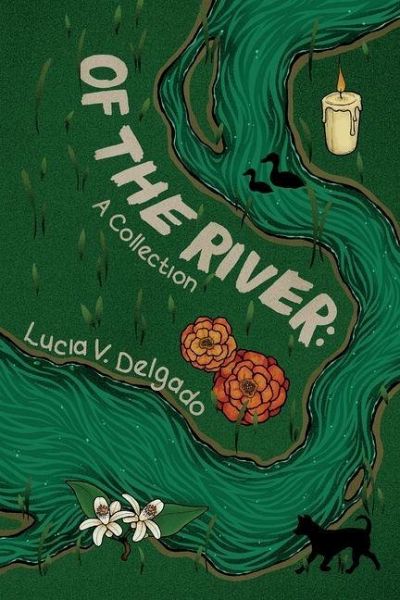
On the U.S.-Mexico border, sitting on opposite banks of the Rio Grande, are the twin cities of Brownsville and Matamoros. Every day, hundreds of people cross the river to work, go to school, or simply spend an afternoon with their families. Every day, something is lost and gained in the moment of crossing. Through eight interconnected stories that span forty years of history, Delgado presents a vivid portrayal of the conflicts and cultural expectations that shape life in this region. The collection opens with the early 2000s border crisis from the perspective of a Mexican street dog. In 1995, young Humberto Mendoza learns from his father about the Satanic Narco cult that once ruled Matamoros. Decades later, his cousin Camila offers a series of increasingly desperate prayers to God as she navigates her parents' divorce and her burgeoning feelings for her best friend. In this debut collection, Delgado calls us to question the nature of all borders--borders between countries, generations, genders, and languages.