
Andere Kunden interessierten sich auch für
 Colonial Amherst: The Early History, Customs and Homes, Geography and Geology, of Amherst, Life and Character of General and Lord Jeffer17,99 €
 History, Manners, and Customs of the North American Indians14,99 €
 A Narrative Of A Nine Months' Residence In New Zealand In 182715,99 €
 Genealogical History Showing the Paternal Line of Descent From Arthur Rexford, a Native of England15,99 €
 The Drama of Transition: Native and Exotic Playcraft25,99 €
 Italian Social Customs of the Sixteenth Century, and Their Influence on the Literatures of Europe30,99 €
 St Nicholas his Legend and his Rôle in the Christmas Celebration and Other Popular Customs20,99 €






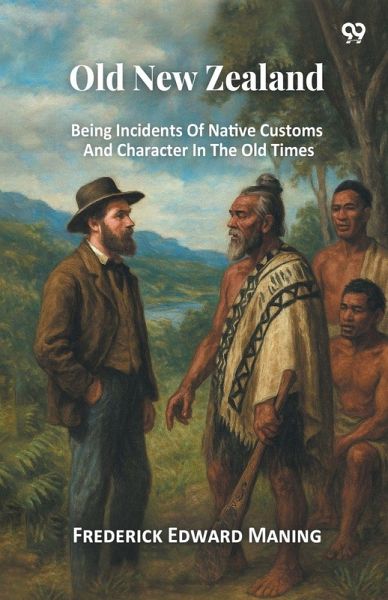
Old New Zealand: Being incidents of native customs and character in the old times offers a personal account of early life among the Maori by a European settler who lived as one of them. The narrator reflects on the so-called good old times before European influence, portraying a world rich in unique customs, complex social dynamics, and deeply rooted traditions. The opening section introduces this reflective mood, capturing the narrator s nostalgia and skepticism toward what he calls civilization. His early interactions with the Maori are framed by curiosity and contradiction, revealing both admiration and occasional frustration. His anecdotes span from ceremonial exchanges and social rituals to misunderstandings shaped by language and trade. Through this lens, the book examines the shifts in identity and culture brought on by European arrival, preserving a voice from a transitional moment in New Zealand s past. The narrative combines wit, cultural detail, and personal insight to document a vanished way of life with equal parts reverence and critique.