
Nicht lieferbar
Andere Kunden interessierten sich auch für
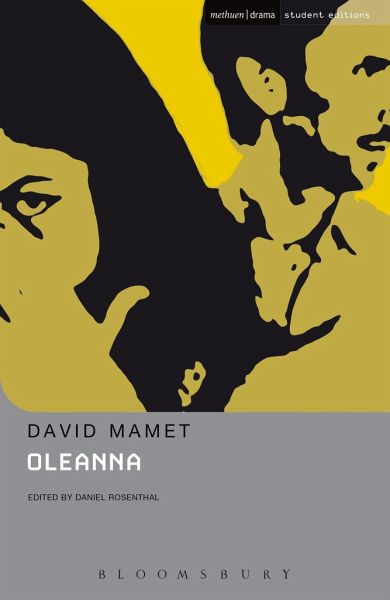
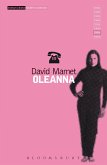
 Oleanna9,99 €
 Blood Brothers9,49 €
 Top Girls. Student Edition9,99 €
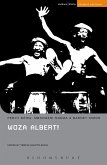
 Woza Albert!20,99 €
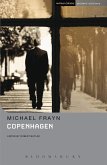
 Copenhagen12,99 €
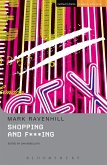
 Shopping And F***ing15,99 €
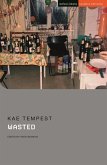
 Wasted17,99 €
Mamet's ground-breaking and controversial play on the male-female
power struggle, annotated with an introduction, notes and commentary.
"An ear for reproducing everyday language has long been David
Mamet's hallmark and he has now employed it to skewer the dogmatic,
puritannical streak which has become commonplace on and off the campus.
With Oleanna he continues an exploration of male-female conflicts begun
with Sexual Perversity in Chicago in 1974. Oleanna cogently
demonstrates that when free thought and dialogue are imperilled, nobody
wins." (Michael Wise, Independent)
In Oleanna "John and Carol go to it with hand-to hand combat
that amounts to a primal struggle for power. As usual with Mamet, the
vehicle for that combat is crackling, highly distilled dialogue
unencumbered by literary frills or phony theatrical ones." (Frank Rich,
International Herald Tribune)
power struggle, annotated with an introduction, notes and commentary.
"An ear for reproducing everyday language has long been David
Mamet's hallmark and he has now employed it to skewer the dogmatic,
puritannical streak which has become commonplace on and off the campus.
With Oleanna he continues an exploration of male-female conflicts begun
with Sexual Perversity in Chicago in 1974. Oleanna cogently
demonstrates that when free thought and dialogue are imperilled, nobody
wins." (Michael Wise, Independent)
In Oleanna "John and Carol go to it with hand-to hand combat
that amounts to a primal struggle for power. As usual with Mamet, the
vehicle for that combat is crackling, highly distilled dialogue
unencumbered by literary frills or phony theatrical ones." (Frank Rich,
International Herald Tribune)