

Andere Kunden interessierten sich auch für
 Twenty Years at Hull House13,99 €
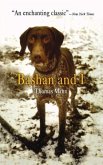
 Bashan and I24,99 €
 Plotting in Pirate Seas18,99 €
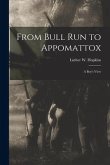
 From Bull Run to Appomattox: A Boy's View20,99 €
 True Stories of History and Biography22,99 €
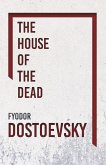
 The House of the Dead31,99 €
 The Citizen of the World; Or, Letters From a Chinese Philosopher: Residing in London, to His Friends in the Country26,99 €



This work has been selected by scholars as being culturally important, and is part of the knowledge base of civilization as we know it. This work is in the "public domain in the United States of America, and possibly other nations. Within the United States, you may freely copy and distribute this work, as no entity (individual or corporate) has a copyright on the body of the work. Scholars believe, and we concur, that this work is important enough to be preserved, reproduced, and made generally available to the public. We appreciate your support of the preservation process, and thank you for being an important part of keeping this knowledge alive and relevant.