
Andere Kunden interessierten sich auch für
 Youth and the Bright Medusa by Willa Cather, Fiction, Short Stories, Literary, Classics14,99 €
 Song of the Lark by Willa Cather, Fiction, Short Stories, Literary, Classics21,99 €
 Alexander's Bridge by Willa Cather, Fiction, Classics, Romance, Literary12,99 €
 O Pioneers! by Willa Cather, Fiction, Literary, Classics13,99 €
 Willa Cather's Collected Short Fiction, 1892-191263,99 €
 Death Comes for the Archbishop Willa Cather28,99 €
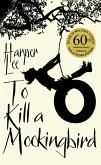
 To Kill a Mockingbird. 60th Anniversary Edition7,99 €


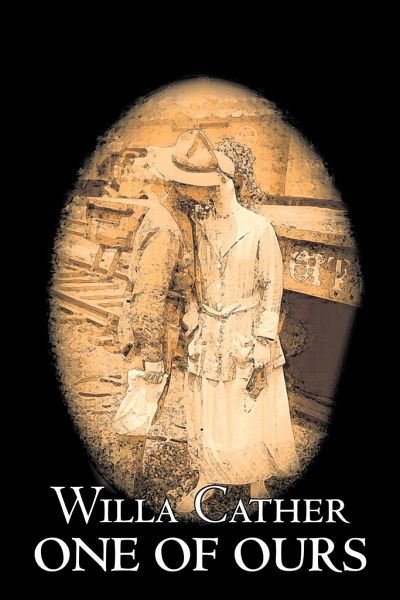
Claude Wheeler craves excitement, far more than he can ever find as a farmer's son. The son of a successful farmer and an intensely pious mother, he is guaranteed a comfortable livelihood. Nevertheless, Wheeler views himself as a victim of his father's success and his own inexplicable malaise. He encounters more at university, where the modern world beyond farm life offers new thrills and challenges, only to lose them as the farm calls him back. World War I offers him even more . . . but he may crave excitement more than life itself can allow. Wanting it as much as he does can't protect him from the consequences of personal bravado in an age of killing machines.