
- Broschiertes Buch
- Merkliste
- Auf die Merkliste
- Bewerten Bewerten
- Teilen
- Produkt teilen
- Produkterinnerung
- Produkterinnerung
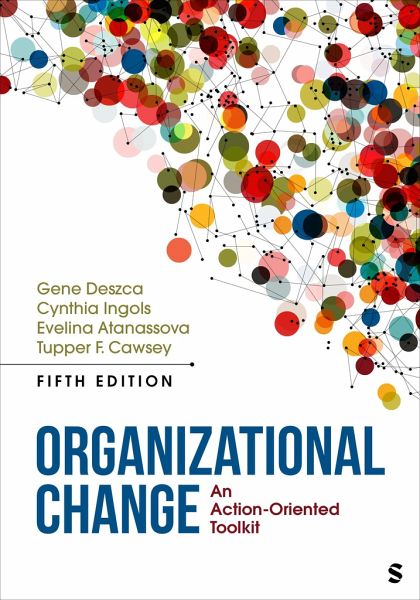
In today s world, organizational resilience, adaptability and agility gain new prominence. Awaken, mobilize, accelerate, and institutionalize change with Organizational Change: An Action-Oriented Toolkit, Fifth Edition. Bridging theory with practice, this new edition uses models, examples, and exercises to help students engage others in the change process. Authors Gene Deszca, Cynthia Ingols, Tupper F. Cawsey, and Evelina Atanassova provide tools for implementing, measuring, and monitoring sustainable change initiatives and helping organizations achieve their objectives.
Andere Kunden interessierten sich auch für
 Stewart R CleggManaging and Organizations52,99 €
 Stewart R CleggManaging and Organizations52,99 €
 Elodie DouarinEconomics of Institutional Change91,99 €
 Kevin W. RockmannNegotiation112,99 €
 Organizational Leadership121,99 €
 Peter MassinghamKnowledge Management52,99 €
 Peter MassinghamKnowledge Management158,99 €
-
-
-





In today s world, organizational resilience, adaptability and agility gain new prominence. Awaken, mobilize, accelerate, and institutionalize change with Organizational Change: An Action-Oriented Toolkit, Fifth Edition. Bridging theory with practice, this new edition uses models, examples, and exercises to help students engage others in the change process. Authors Gene Deszca, Cynthia Ingols, Tupper F. Cawsey, and Evelina Atanassova provide tools for implementing, measuring, and monitoring sustainable change initiatives and helping organizations achieve their objectives.
Produktdetails
- Produktdetails
- Verlag: SAGE Publications, Inc / Sage Publications
- 5., überarb. Aufl.
- Seitenzahl: 564
- Erscheinungstermin: 29. März 2024
- Englisch
- Abmessung: 254mm x 178mm x 35mm
- Gewicht: 1507g
- ISBN-13: 9781071876312
- ISBN-10: 1071876317
- Artikelnr.: 68503747
- Herstellerkennzeichnung Die Herstellerinformationen sind derzeit nicht verfügbar.
- Verlag: SAGE Publications, Inc / Sage Publications
- 5., überarb. Aufl.
- Seitenzahl: 564
- Erscheinungstermin: 29. März 2024
- Englisch
- Abmessung: 254mm x 178mm x 35mm
- Gewicht: 1507g
- ISBN-13: 9781071876312
- ISBN-10: 1071876317
- Artikelnr.: 68503747
- Herstellerkennzeichnung Die Herstellerinformationen sind derzeit nicht verfügbar.
Gene Deszca is professor emeritus of business administration and a former MBA director and associate director in the Lazaridis School of Business and Economics at Wilfrid Laurier University. He played a variety of leadership roles at Laurier, including the development and launch of the full-time, one-year MBA program, the executive MBA program, and the undergraduate international business concentration. He was instrumental in the development of the post-university professional accreditation programs for one of Canada's major accounting bodies and was a member of its national board of directors for several years. Gene loves working with students and practitioners and values the excitement, energy, and breakthroughs that can emerge from these interactions. He has served on boards and continues to teach graduate and executive courses, both nationally and internationally, in organizational behavior, leading organizational change, and international business. His consulting work follows similar themes for clients in both the public and private sectors, with a focus on framing and navigating organizational change and the development and delivery of executive programs. He is involved in entrepreneurial initiatives that are in the process of scaling. One of these focuses on the development and deployment of public and private blockchains for use across a wide array of applications. Gene is the author or coauthor of over 100 journal articles, books, monographs, cases, conference publications/presentations, and technical papers. These include the books Canadian Cases in Human Resource Management, Cases in Organizational Behaviour, and Organizational Change: An Action Oriented Toolkit (now in its fifth edition) and the articles "Driving Loyalty Through Time-to-Value," "Managing the New Product Development Process: Best-in-Class Principles and Leading Practices," and "Aging Well in Management Education: An Interview." He is an active case writer, and his current research focuses on organizational change and the development of high-performance enterprises.
Chapter 1 - Changing Organizations in Our Complex World
Defining Organizational Change
The Orientation of This Book
The Implications of Worldwide Trends for Change Management
Organizational Change Roles
The Requirements for Becoming a Successful Change Leader
Chapter 2 - How to Lead Organizational Change: Frameworks
Why Systematically Learn about Organizational Change?
Differentiating How to Change from What to Change
(1) Stage Theory of Change: Lewin
(2) Eight-Stage Model of Organizational Change: Kotter
(3) Giving Voice to Values: Gentile
(4) Emotional Transitions Through Change: Duck
(5) The Change Path Model: Deszca, Ingols, and Atanassova
Application of the Change Path Model
Chapter 3 - What to Change in an Organization: Frameworks
Open Systems Approach to Organizational Analysis
(1) Nadler and Tushman's Congruence Model
(2) Bolman and Deal's Four-Frame Model
(3) Sterman's Systems Dynamics Model
(4) Greiner's Model of Organizational Growth
Chapter 4 - Who Leads the Change
The Strategic Purpose of Change Leadership
Demystifying Successful Change Leaders
Developing into a Change Leader
Diverse Types of Change Leaders
Change Teams
Internal Versus External Consultants
Change from the Middle: Everyone Needs to Be a Change Leader
Rules of Thumb for Change Agents
Chapter 5 - Awakening: Building and Energizing the Need for Change
Understanding the Need for Change
Assessing the Readiness for Change
Developing a Powerful Vision for Change
The Difference Between an Organizational Vision and a Change Vision
Examples of Visions for Change
Chapter 6 - Navigating Change Through Formal Structures and Systems
Making Sense of Formal Structures and Systems
Impact of Uncertainty and Complexity on Formal Structures and Systems
Formal Structures and Systems from an Information Perspective
Using Structures and Systems to Influence the Approval and Implementation of Change
Aligning Strategically, Starting Small, and "Morphing" Tactics
The Interaction of Structures and Systems with Change During Implementation
Using Structures and Systems to Facilitate the Acceptance of Change
Chapter 7 - Navigating Organizational Politics and Culture
Power Dynamics in Organizations
Organizational Culture and Change
Tools to Assess the Need for Change
Chapter 8 - Mobilizing: Recipients of Change and Internal Stakeholders
Stakeholders Respond Variably to Change Initiatives
Responding to Various Feelings in Stakeholders
Make the Change to the Psychological Contract Explicit and Transparent
Integrity and Competence Are Two Important Antidotes to Skepticism and Cynicism
Avoiding Coercion but Pushing Hard: The Sweet Spot?
Ensuring Consistent Signals from Systems and Processes
Steps to Minimize the Negative Effects of Change
Chapter 9 - Moving from Mobilizing to Accelerating Change: Action Planning & Implementation Tools
Prelude to Action: Selecting the Path Forward
Plan the Work
Action Planning Tools
Working the Plan Ethically and Adaptively
Transition Management
Chapter 10 - Institutionalizing the Changes
Aligning the Change with the Organization
Engaging People Operations
Celebrating and Learning
Chapter 11 - Change Management Data Analysis
Selecting and Implementing Change Metrics
Measurement Systems and Change Management
Change Strategy Measurement Tools
Chapter 12 - The Future of Change and the Future of Organizations
The Framework: Change Path Model
Future Organizations and Their Impact
Specialist and Generalist: Divergent Career Paths
Paradoxes in Organizational Change
Orienting Yourself to Organizational Change
Defining Organizational Change
The Orientation of This Book
The Implications of Worldwide Trends for Change Management
Organizational Change Roles
The Requirements for Becoming a Successful Change Leader
Chapter 2 - How to Lead Organizational Change: Frameworks
Why Systematically Learn about Organizational Change?
Differentiating How to Change from What to Change
(1) Stage Theory of Change: Lewin
(2) Eight-Stage Model of Organizational Change: Kotter
(3) Giving Voice to Values: Gentile
(4) Emotional Transitions Through Change: Duck
(5) The Change Path Model: Deszca, Ingols, and Atanassova
Application of the Change Path Model
Chapter 3 - What to Change in an Organization: Frameworks
Open Systems Approach to Organizational Analysis
(1) Nadler and Tushman's Congruence Model
(2) Bolman and Deal's Four-Frame Model
(3) Sterman's Systems Dynamics Model
(4) Greiner's Model of Organizational Growth
Chapter 4 - Who Leads the Change
The Strategic Purpose of Change Leadership
Demystifying Successful Change Leaders
Developing into a Change Leader
Diverse Types of Change Leaders
Change Teams
Internal Versus External Consultants
Change from the Middle: Everyone Needs to Be a Change Leader
Rules of Thumb for Change Agents
Chapter 5 - Awakening: Building and Energizing the Need for Change
Understanding the Need for Change
Assessing the Readiness for Change
Developing a Powerful Vision for Change
The Difference Between an Organizational Vision and a Change Vision
Examples of Visions for Change
Chapter 6 - Navigating Change Through Formal Structures and Systems
Making Sense of Formal Structures and Systems
Impact of Uncertainty and Complexity on Formal Structures and Systems
Formal Structures and Systems from an Information Perspective
Using Structures and Systems to Influence the Approval and Implementation of Change
Aligning Strategically, Starting Small, and "Morphing" Tactics
The Interaction of Structures and Systems with Change During Implementation
Using Structures and Systems to Facilitate the Acceptance of Change
Chapter 7 - Navigating Organizational Politics and Culture
Power Dynamics in Organizations
Organizational Culture and Change
Tools to Assess the Need for Change
Chapter 8 - Mobilizing: Recipients of Change and Internal Stakeholders
Stakeholders Respond Variably to Change Initiatives
Responding to Various Feelings in Stakeholders
Make the Change to the Psychological Contract Explicit and Transparent
Integrity and Competence Are Two Important Antidotes to Skepticism and Cynicism
Avoiding Coercion but Pushing Hard: The Sweet Spot?
Ensuring Consistent Signals from Systems and Processes
Steps to Minimize the Negative Effects of Change
Chapter 9 - Moving from Mobilizing to Accelerating Change: Action Planning & Implementation Tools
Prelude to Action: Selecting the Path Forward
Plan the Work
Action Planning Tools
Working the Plan Ethically and Adaptively
Transition Management
Chapter 10 - Institutionalizing the Changes
Aligning the Change with the Organization
Engaging People Operations
Celebrating and Learning
Chapter 11 - Change Management Data Analysis
Selecting and Implementing Change Metrics
Measurement Systems and Change Management
Change Strategy Measurement Tools
Chapter 12 - The Future of Change and the Future of Organizations
The Framework: Change Path Model
Future Organizations and Their Impact
Specialist and Generalist: Divergent Career Paths
Paradoxes in Organizational Change
Orienting Yourself to Organizational Change
Chapter 1 - Changing Organizations in Our Complex World
Defining Organizational Change
The Orientation of This Book
The Implications of Worldwide Trends for Change Management
Organizational Change Roles
The Requirements for Becoming a Successful Change Leader
Chapter 2 - How to Lead Organizational Change: Frameworks
Why Systematically Learn about Organizational Change?
Differentiating How to Change from What to Change
(1) Stage Theory of Change: Lewin
(2) Eight-Stage Model of Organizational Change: Kotter
(3) Giving Voice to Values: Gentile
(4) Emotional Transitions Through Change: Duck
(5) The Change Path Model: Deszca, Ingols, and Atanassova
Application of the Change Path Model
Chapter 3 - What to Change in an Organization: Frameworks
Open Systems Approach to Organizational Analysis
(1) Nadler and Tushman's Congruence Model
(2) Bolman and Deal's Four-Frame Model
(3) Sterman's Systems Dynamics Model
(4) Greiner's Model of Organizational Growth
Chapter 4 - Who Leads the Change
The Strategic Purpose of Change Leadership
Demystifying Successful Change Leaders
Developing into a Change Leader
Diverse Types of Change Leaders
Change Teams
Internal Versus External Consultants
Change from the Middle: Everyone Needs to Be a Change Leader
Rules of Thumb for Change Agents
Chapter 5 - Awakening: Building and Energizing the Need for Change
Understanding the Need for Change
Assessing the Readiness for Change
Developing a Powerful Vision for Change
The Difference Between an Organizational Vision and a Change Vision
Examples of Visions for Change
Chapter 6 - Navigating Change Through Formal Structures and Systems
Making Sense of Formal Structures and Systems
Impact of Uncertainty and Complexity on Formal Structures and Systems
Formal Structures and Systems from an Information Perspective
Using Structures and Systems to Influence the Approval and Implementation of Change
Aligning Strategically, Starting Small, and "Morphing" Tactics
The Interaction of Structures and Systems with Change During Implementation
Using Structures and Systems to Facilitate the Acceptance of Change
Chapter 7 - Navigating Organizational Politics and Culture
Power Dynamics in Organizations
Organizational Culture and Change
Tools to Assess the Need for Change
Chapter 8 - Mobilizing: Recipients of Change and Internal Stakeholders
Stakeholders Respond Variably to Change Initiatives
Responding to Various Feelings in Stakeholders
Make the Change to the Psychological Contract Explicit and Transparent
Integrity and Competence Are Two Important Antidotes to Skepticism and Cynicism
Avoiding Coercion but Pushing Hard: The Sweet Spot?
Ensuring Consistent Signals from Systems and Processes
Steps to Minimize the Negative Effects of Change
Chapter 9 - Moving from Mobilizing to Accelerating Change: Action Planning & Implementation Tools
Prelude to Action: Selecting the Path Forward
Plan the Work
Action Planning Tools
Working the Plan Ethically and Adaptively
Transition Management
Chapter 10 - Institutionalizing the Changes
Aligning the Change with the Organization
Engaging People Operations
Celebrating and Learning
Chapter 11 - Change Management Data Analysis
Selecting and Implementing Change Metrics
Measurement Systems and Change Management
Change Strategy Measurement Tools
Chapter 12 - The Future of Change and the Future of Organizations
The Framework: Change Path Model
Future Organizations and Their Impact
Specialist and Generalist: Divergent Career Paths
Paradoxes in Organizational Change
Orienting Yourself to Organizational Change
Defining Organizational Change
The Orientation of This Book
The Implications of Worldwide Trends for Change Management
Organizational Change Roles
The Requirements for Becoming a Successful Change Leader
Chapter 2 - How to Lead Organizational Change: Frameworks
Why Systematically Learn about Organizational Change?
Differentiating How to Change from What to Change
(1) Stage Theory of Change: Lewin
(2) Eight-Stage Model of Organizational Change: Kotter
(3) Giving Voice to Values: Gentile
(4) Emotional Transitions Through Change: Duck
(5) The Change Path Model: Deszca, Ingols, and Atanassova
Application of the Change Path Model
Chapter 3 - What to Change in an Organization: Frameworks
Open Systems Approach to Organizational Analysis
(1) Nadler and Tushman's Congruence Model
(2) Bolman and Deal's Four-Frame Model
(3) Sterman's Systems Dynamics Model
(4) Greiner's Model of Organizational Growth
Chapter 4 - Who Leads the Change
The Strategic Purpose of Change Leadership
Demystifying Successful Change Leaders
Developing into a Change Leader
Diverse Types of Change Leaders
Change Teams
Internal Versus External Consultants
Change from the Middle: Everyone Needs to Be a Change Leader
Rules of Thumb for Change Agents
Chapter 5 - Awakening: Building and Energizing the Need for Change
Understanding the Need for Change
Assessing the Readiness for Change
Developing a Powerful Vision for Change
The Difference Between an Organizational Vision and a Change Vision
Examples of Visions for Change
Chapter 6 - Navigating Change Through Formal Structures and Systems
Making Sense of Formal Structures and Systems
Impact of Uncertainty and Complexity on Formal Structures and Systems
Formal Structures and Systems from an Information Perspective
Using Structures and Systems to Influence the Approval and Implementation of Change
Aligning Strategically, Starting Small, and "Morphing" Tactics
The Interaction of Structures and Systems with Change During Implementation
Using Structures and Systems to Facilitate the Acceptance of Change
Chapter 7 - Navigating Organizational Politics and Culture
Power Dynamics in Organizations
Organizational Culture and Change
Tools to Assess the Need for Change
Chapter 8 - Mobilizing: Recipients of Change and Internal Stakeholders
Stakeholders Respond Variably to Change Initiatives
Responding to Various Feelings in Stakeholders
Make the Change to the Psychological Contract Explicit and Transparent
Integrity and Competence Are Two Important Antidotes to Skepticism and Cynicism
Avoiding Coercion but Pushing Hard: The Sweet Spot?
Ensuring Consistent Signals from Systems and Processes
Steps to Minimize the Negative Effects of Change
Chapter 9 - Moving from Mobilizing to Accelerating Change: Action Planning & Implementation Tools
Prelude to Action: Selecting the Path Forward
Plan the Work
Action Planning Tools
Working the Plan Ethically and Adaptively
Transition Management
Chapter 10 - Institutionalizing the Changes
Aligning the Change with the Organization
Engaging People Operations
Celebrating and Learning
Chapter 11 - Change Management Data Analysis
Selecting and Implementing Change Metrics
Measurement Systems and Change Management
Change Strategy Measurement Tools
Chapter 12 - The Future of Change and the Future of Organizations
The Framework: Change Path Model
Future Organizations and Their Impact
Specialist and Generalist: Divergent Career Paths
Paradoxes in Organizational Change
Orienting Yourself to Organizational Change