
Andere Kunden interessierten sich auch für
 Organized Crime177,99 €
 From Mafia to Organised Crime121,99 €
 Crime, Networks and Power42,99 €
 'Ndrangheta53,99 €
 Organized Crime in Italy19,99 €
 Crime, Violence and the State in Latin America166,99 €
 Mafia, Macht und Politik in Italien24,00 €




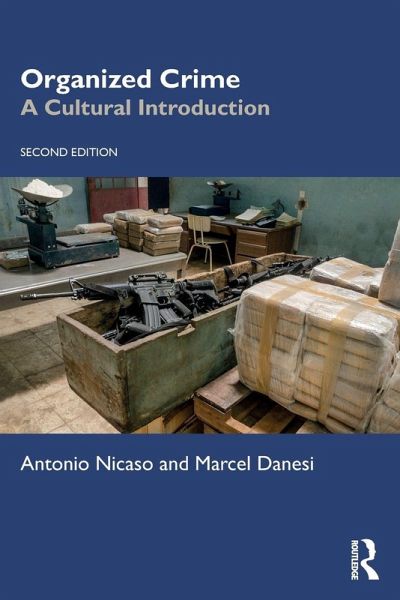
This book aims to describe and demystify what makes organized criminal groups so culturally powerful. It examines their codes of conduct, initiation rites, secret communication methods, origin myths, symbols, and lifestyles that imbue them with the pride and nonchalance that go hand in hand with their criminal activities. Mobsters are everywhere, in the movies, on television, on websites, and now in the Metaverse. Contemporary societies across the globe are fascinated by them. Why is this so? What features and constituents of organized criminal gangs make them so emotionally powerful-to themselves and others? These are the questions that have guided the writing of the second edition of this textbook, which is intended as an introduction to organized crime from the angle of cultural analysis. Key topics included in this new edition:
An historic overview of organized crime, including the social, economic, and cultural conditions that favor its developmentA description and character analysis of the type of people who make up organized criminal groups and the activities in which they engageThe symbols, rituals, codes, and languages that characterize criminal institutionsThe relationship between traditional organized crime, cybercrime, and evolving forms of crime on the Dark Web and in the MetaverseThe traditional and changing roles of women in organized crimeThe transnational operations of criminal groups Media portrayals of organized crimePolicing responses to organized crimeThe use of technologies by the organized criminal groups
This new edition includes case studies and offers an accessible, interdisciplinary approach to the subject of organized crime. It is essential reading for students engaged with organized crime across criminology, sociology, anthropology, and psychology.
An historic overview of organized crime, including the social, economic, and cultural conditions that favor its developmentA description and character analysis of the type of people who make up organized criminal groups and the activities in which they engageThe symbols, rituals, codes, and languages that characterize criminal institutionsThe relationship between traditional organized crime, cybercrime, and evolving forms of crime on the Dark Web and in the MetaverseThe traditional and changing roles of women in organized crimeThe transnational operations of criminal groups Media portrayals of organized crimePolicing responses to organized crimeThe use of technologies by the organized criminal groups
This new edition includes case studies and offers an accessible, interdisciplinary approach to the subject of organized crime. It is essential reading for students engaged with organized crime across criminology, sociology, anthropology, and psychology.