20,99 €
inkl. MwSt.
Versandkostenfrei*Erscheint vorauss. 20. August 2026
Melden Sie sich
hier
hier
für den Produktalarm an, um über die Verfügbarkeit des Produkts informiert zu werden.

10 °P sammeln
Andere Kunden interessierten sich auch für
 The Rules of Logic12,99 €
 The Doctors' Dinner Party12,99 €
 Strange Times, My Dear13,99 €
 Contes Arabes Modernes, Recueillis Et Tr. Par G. Spitta...20,99 €
 Prison Without Walls16,99 €
 If These Prison Walls Could Talk What Would They Say...11,99 €
 لا عطر بعد عروس13,99 €





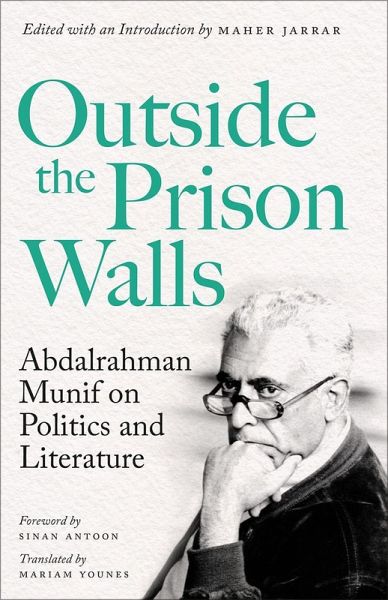
Abdelrahman Munif was a towering, transformative figure in Arabic literature. The author of more than 25 books, he was a public intellectual and an icon of principled opposition to authoritarian regimes. Today, he is one of the most-read novellists in the Arab world. Though he died in 2004, much of his oeuvre feels like it could have been written yesterday. Born and raised in Jordan, Munif spent much of his adulthood in Iraq, Egypt and Syria-a lifetime of experience that sharpened his unique perspective on the social, political and economic realities of the region. Outside the Prison Walls is the first English language collection bringing together some of Munif's most enduring nonfiction writings with a series of interviews conducted in late 2003, shortly before his death. The essays and interviews take the reader on a journey, intertwining historical and current events in Iraq and the wider region, as well as politics and literature, with the personal story of one of the most important Arab novelists and intellectuals of our times.