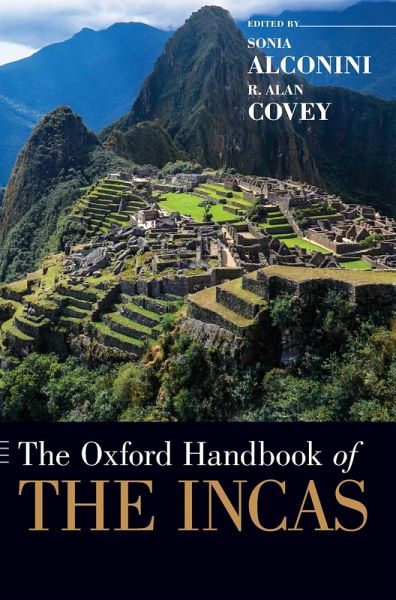
When Spaniards invaded their realm in 1532, the Incas ruled the largest empire of the pre-Columbian Americas. Just over a century earlier, military campaigns began to extend power across a broad swath of the Andean region, bringing local societies into new relationships with colonists and officials who represented the Inca state. With Cuzco as its capital, the Inca empire encompassed a multitude of peoples of diverse geographic origins and cultural traditions dwelling in the outlying provinces and frontier regions. Bringing together an international group of well-established scholars and…mehr
When Spaniards invaded their realm in 1532, the Incas ruled the largest empire of the pre-Columbian Americas. Just over a century earlier, military campaigns began to extend power across a broad swath of the Andean region, bringing local societies into new relationships with colonists and officials who represented the Inca state. With Cuzco as its capital, the Inca empire encompassed a multitude of peoples of diverse geographic origins and cultural traditions dwelling in the outlying provinces and frontier regions. Bringing together an international group of well-established scholars and emerging researchers, this handbook is dedicated to revealing the origins of this empire, as well as its evolution and aftermath. Chapters break new ground using innovative multidisciplinary research from the areas of archaeology, ethnohistory and art history. The scope of this handbook is comprehensive. It places the century of Inca imperial expansion within a broader historical and archaeological context, and then turns from Inca origins to the imperial political economy and institutions that facilitated expansion. Provincial and frontier case studies explore the negotiation and implementation of state policies and institutions, and their effects on the communities and individuals that made up the bulk of the population. Several chapters describe religious power in the Andes, as well as the special statuses that staffed the state religion, maintained records, served royal households, and produced fine craft goods to support state activities. The Incas did not disappear in 1532, and the volume continues into the Colonial and later periods, exploring not only the effects of the Spanish conquest on the lives of the indigenous populations, but also the cultural continuities and discontinuities. Moving into the present, the volume ends will an overview of the ways in which the image of the Inca and the pre-Columbian past is memorialized and reinterpreted by contemporary Andeans.
Sonia Alconini is David A. Harrison III Professor of Archaeology at University of Virginia. R. Alan Covey is Professor of Anthropology at University of Texas at Austin.
Inhaltsangabe
* List of Contributors * Introduction * PART 1. THE ORIGINS AND DEVELOPMENT OF THE INCA EMPIRE * 1.1: Joanne Pillsbury: Writing Inca History: The Colonial Era * 1.2: Jerry D. Moore: Andean Statecraft before the Incas * 1.3: R. Alan Covey: The Spread of Inca Power in the Cuzco Region * 1.4: Ian Farrington: Cuzco: Development of the Imperial Capital * 1.5: R. Alan Covey and Sonia Alconini: Conclusions: Retracing the Intellectual Journey of Inca Origins * PART 2. ROYAL ESTATES AND INCA IMPERIAL CENTERS * 2.1: Kylie E. Quave: Royal Estates and Imperial Centers in the Cuzco Region * 2.2: János Gyarmati and Carola Condarco: Inca Imperial Strategies and Installations in Central Bolivia * 2.3: Lawrence Coben: The Inca Center of Incallacta in the Southeastern Andes * 2.4: Tamara L. Bray and José Echeverría: The Inca Centers of Tomebamba and Caranqui in Northern Chinchaysuyu * 2.5: Peter Eeckhout and Enrique López-Hurtado: Pachacamac and the Incas on the Coast of Peru * 2.6: Sonia Alconini and R. Alan Covey: Conclusions: The Political Economy of Royal Estates and Imperial Centers in the Heartland and More Distant Provinces * PART 3. INCA HARD POWER: MILITARISM, ECONOMY, AND POLITICAL HIERARCHIES * 3.1: Terence N. D'Altroy: Inca Political Organization, Economic Institutions, and Infrastructure * 3.2: Steve Kosiba: Cultivating Empire: Inca Intensive Agricultural Strategies * 3.3: Amanda S. Aland: Fishing Economies and Ethnic Specialization under Inca Rule * 3.4: Bethany L. Turner and Barbara R. Hewitt: The Acllacona and Mitmacona: Diet, Ethnicity, and Status * 3.5: Cathy Lynne Costin: Gender and Status in Inca Textile and Ceramic Craft Production * 3.6: Justin Jennings and Guy Duke: Making the Typical Exceptional: The Elevation of Inca Cuisine * 3.7: R. Alan Covey and Sonia Alconini: Conclusions: Reassessing Inca Hard Power * PART 4. INCA IMPERIAL IDENTITIES: COLONIZATION, RESISTANCE, AND HYBRIDITY * 4.1: Félix A. Acuto and Iván Leibowicz: Inca Colonial Encounters and Incorporation in Northern Argentina * 4.2: Calogero M. Santoro and Mauricio Uribe: Inca Imperial Colonization in Northern Chile * 4.3: Colleen Zori: Inca Mining and Metal Production * 4.4: Dennis E. Ogburn: Chinchaysuyu and the Northern Inca Territory * 4.5: Sonia Alconini: Inca Advances into the Southeastern Tropics: The Inca Frontier in Perspective * 4.6: Inge Schjellerup: Inca Transformations of the Chachapoya Region * 4.7: Andrés Troncoso: Inca Landscapes of Domination: Rock Art and Community in North-Central Chile * 4.8: Sonia Alconini and R. Alan Covey: Conclusions: Inca Imperial Identities -- Colonization, Resistance, and Hybridity * PART 5. SACRED LANDSCAPES * 5.1: Brian S. Bauer: The Ritual Landscape of the Inca: The Huacas and Ceques of Cuzco * 5.2: Jessica Joyce Christie: Rock Shrines, Ceque Lines, and Pilgrimage in the Inca Provinces * 5.3: Zachary J. Chase: The Inca State and Local Ritual Landscapes * 5.4: Jason Yaeger and José María López Bejarano: Inca Sacred Landscapes in the Titicaca Basin * 5.5: Pablo Mignone: Peregrination and Rituality in the Southern Provinces * 5.6: Sonia Alconini and R. Alan Covey: Conclusions: Sacred Geographies and Imperial Expansion * PART 6. ART, ICONOGRAPHY, AND RECORD-KEEPING * 6.1: Adam Herring: Inca Aesthetics and Scholarly Inquiry * 6.2: Gary Urton: Quipus and Yupanas as Imperial Registers: Reckoning and Recording in Tahuantinsuyu * 6.3: Jean-Pierre Protzen: The Development and Variation of Inca Architecture * 6.4: Elena Phipps: Garments, Tocapu, Status, and Identity: Inca and Colonial Perspectives * 6.5: Mariusz Ziólkowski: The Iconography and Use of Inca and Colonial Drinking Vessels * 6.6: R. Alan Covey and Sonia Alconini: Conclusions: Civilizing the Incas * PART 7. THE COLONIAL ERA: CONTINUITY, CHANGE, AND ADAPTATION * 7.1: Steven A. Wernke: Transformations: Evangelization, Resettlement, and Community Organization in the Early Viceroyalty of Peru * 7.2: Melissa S. Murphy: Colonial Demography and Bioarchaeology * 7.3: Vincent R. Lee: Vilcabamba: Last Stronghold of the Inca * 7.4: David T. Garrett: Inca Ancestry and Colonial Privilege * 7.5: R. Alan Covey and Sonia Alconini: Conclusions: Colonial Incas and the Myths of Conquest * PART 8. THE MANY USES OF THE INCA PAST IN THE PRESENT * 8.1: Stefanie Gänger: Inca "Antiquities" in the Nineteenth and Early Twentieth Centuries * 8.2: Lucy C. Salazar and Richard L. Burger: Reinventing the Incas in Contemporary Cuzco: The Cases of Inti Raymi and Machu Picchu * 8.3: Catherine Elisabeth Covey: Performances of "Pasts": Spaces of Indigeneity and Heritage Tourism in Cuzco * 8.4: Sonia Alconini and R. Alan Covey: Conclusions: Appropriating the Inca -- The Complexities of Social Memory * Index
* List of Contributors * Introduction * PART 1. THE ORIGINS AND DEVELOPMENT OF THE INCA EMPIRE * 1.1: Joanne Pillsbury: Writing Inca History: The Colonial Era * 1.2: Jerry D. Moore: Andean Statecraft before the Incas * 1.3: R. Alan Covey: The Spread of Inca Power in the Cuzco Region * 1.4: Ian Farrington: Cuzco: Development of the Imperial Capital * 1.5: R. Alan Covey and Sonia Alconini: Conclusions: Retracing the Intellectual Journey of Inca Origins * PART 2. ROYAL ESTATES AND INCA IMPERIAL CENTERS * 2.1: Kylie E. Quave: Royal Estates and Imperial Centers in the Cuzco Region * 2.2: János Gyarmati and Carola Condarco: Inca Imperial Strategies and Installations in Central Bolivia * 2.3: Lawrence Coben: The Inca Center of Incallacta in the Southeastern Andes * 2.4: Tamara L. Bray and José Echeverría: The Inca Centers of Tomebamba and Caranqui in Northern Chinchaysuyu * 2.5: Peter Eeckhout and Enrique López-Hurtado: Pachacamac and the Incas on the Coast of Peru * 2.6: Sonia Alconini and R. Alan Covey: Conclusions: The Political Economy of Royal Estates and Imperial Centers in the Heartland and More Distant Provinces * PART 3. INCA HARD POWER: MILITARISM, ECONOMY, AND POLITICAL HIERARCHIES * 3.1: Terence N. D'Altroy: Inca Political Organization, Economic Institutions, and Infrastructure * 3.2: Steve Kosiba: Cultivating Empire: Inca Intensive Agricultural Strategies * 3.3: Amanda S. Aland: Fishing Economies and Ethnic Specialization under Inca Rule * 3.4: Bethany L. Turner and Barbara R. Hewitt: The Acllacona and Mitmacona: Diet, Ethnicity, and Status * 3.5: Cathy Lynne Costin: Gender and Status in Inca Textile and Ceramic Craft Production * 3.6: Justin Jennings and Guy Duke: Making the Typical Exceptional: The Elevation of Inca Cuisine * 3.7: R. Alan Covey and Sonia Alconini: Conclusions: Reassessing Inca Hard Power * PART 4. INCA IMPERIAL IDENTITIES: COLONIZATION, RESISTANCE, AND HYBRIDITY * 4.1: Félix A. Acuto and Iván Leibowicz: Inca Colonial Encounters and Incorporation in Northern Argentina * 4.2: Calogero M. Santoro and Mauricio Uribe: Inca Imperial Colonization in Northern Chile * 4.3: Colleen Zori: Inca Mining and Metal Production * 4.4: Dennis E. Ogburn: Chinchaysuyu and the Northern Inca Territory * 4.5: Sonia Alconini: Inca Advances into the Southeastern Tropics: The Inca Frontier in Perspective * 4.6: Inge Schjellerup: Inca Transformations of the Chachapoya Region * 4.7: Andrés Troncoso: Inca Landscapes of Domination: Rock Art and Community in North-Central Chile * 4.8: Sonia Alconini and R. Alan Covey: Conclusions: Inca Imperial Identities -- Colonization, Resistance, and Hybridity * PART 5. SACRED LANDSCAPES * 5.1: Brian S. Bauer: The Ritual Landscape of the Inca: The Huacas and Ceques of Cuzco * 5.2: Jessica Joyce Christie: Rock Shrines, Ceque Lines, and Pilgrimage in the Inca Provinces * 5.3: Zachary J. Chase: The Inca State and Local Ritual Landscapes * 5.4: Jason Yaeger and José María López Bejarano: Inca Sacred Landscapes in the Titicaca Basin * 5.5: Pablo Mignone: Peregrination and Rituality in the Southern Provinces * 5.6: Sonia Alconini and R. Alan Covey: Conclusions: Sacred Geographies and Imperial Expansion * PART 6. ART, ICONOGRAPHY, AND RECORD-KEEPING * 6.1: Adam Herring: Inca Aesthetics and Scholarly Inquiry * 6.2: Gary Urton: Quipus and Yupanas as Imperial Registers: Reckoning and Recording in Tahuantinsuyu * 6.3: Jean-Pierre Protzen: The Development and Variation of Inca Architecture * 6.4: Elena Phipps: Garments, Tocapu, Status, and Identity: Inca and Colonial Perspectives * 6.5: Mariusz Ziólkowski: The Iconography and Use of Inca and Colonial Drinking Vessels * 6.6: R. Alan Covey and Sonia Alconini: Conclusions: Civilizing the Incas * PART 7. THE COLONIAL ERA: CONTINUITY, CHANGE, AND ADAPTATION * 7.1: Steven A. Wernke: Transformations: Evangelization, Resettlement, and Community Organization in the Early Viceroyalty of Peru * 7.2: Melissa S. Murphy: Colonial Demography and Bioarchaeology * 7.3: Vincent R. Lee: Vilcabamba: Last Stronghold of the Inca * 7.4: David T. Garrett: Inca Ancestry and Colonial Privilege * 7.5: R. Alan Covey and Sonia Alconini: Conclusions: Colonial Incas and the Myths of Conquest * PART 8. THE MANY USES OF THE INCA PAST IN THE PRESENT * 8.1: Stefanie Gänger: Inca "Antiquities" in the Nineteenth and Early Twentieth Centuries * 8.2: Lucy C. Salazar and Richard L. Burger: Reinventing the Incas in Contemporary Cuzco: The Cases of Inti Raymi and Machu Picchu * 8.3: Catherine Elisabeth Covey: Performances of "Pasts": Spaces of Indigeneity and Heritage Tourism in Cuzco * 8.4: Sonia Alconini and R. Alan Covey: Conclusions: Appropriating the Inca -- The Complexities of Social Memory * Index
Es gelten unsere Allgemeinen Geschäftsbedingungen: www.buecher.de/agb
Impressum
www.buecher.de ist ein Internetauftritt der buecher.de internetstores GmbH
Geschäftsführung: Monica Sawhney | Roland Kölbl | Günter Hilger
Sitz der Gesellschaft: Batheyer Straße 115 - 117, 58099 Hagen
Postanschrift: Bürgermeister-Wegele-Str. 12, 86167 Augsburg
Amtsgericht Hagen HRB 13257
Steuernummer: 321/5800/1497
USt-IdNr: DE450055826