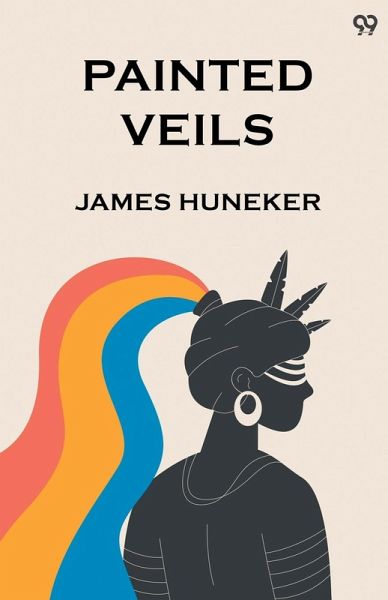
Painted veils captures the tension between artistic ambition and emotional vulnerability through the eyes of a woman arriving in a new city filled with illusions. The narrative reflects on the complexity of entering a world shaped by performance and perception, where self-presentation often conceals insecurity and longing. The setting creates a dissonance between aesthetic grandeur and inner conflict, magnifying the struggle between reality and aspiration. The early scenes reveal emotional displacement and the fragility of hope as the central figure steps into a space that appears welcoming…mehr
Painted veils captures the tension between artistic ambition and emotional vulnerability through the eyes of a woman arriving in a new city filled with illusions. The narrative reflects on the complexity of entering a world shaped by performance and perception, where self-presentation often conceals insecurity and longing. The setting creates a dissonance between aesthetic grandeur and inner conflict, magnifying the struggle between reality and aspiration. The early scenes reveal emotional displacement and the fragility of hope as the central figure steps into a space that appears welcoming yet is steeped in uncertainty. The vibrant cultural environment is not simply a backdrop but a force that challenges identity, forcing constant adaptation. Human connection becomes both a comfort and a complication, offering brief relief while deepening internal questions. Through conversations and subtle moments, the novel examines the layers people construct to survive emotionally and socially. The weight of expectation, both personal and external, emerges as a central pressure, intensifying the need for success and validation. The story meditates on perception, ambition, and the emotional cost of chasing recognition in a world where appearances shape opportunity.
James Gibbons Huneker was an American writer and critic, renowned for his work in the fields of art, music, literature, and theater. Born in Philadelphia, Pennsylvania, Huneker was a colorful and ambitious figure, known for his intellectual depth and bold personality. He was a prominent critic of his time, known for his sharp insight into the works of artists and composers. His writing was characterized by a blend of passion and philosophical exploration, often delving into the intricacies of creative expression. Huneker was particularly fascinated by the tension between idealism and realism, a theme he often explored in his essays and critiques. His relationship with Clio Hinton Bracken, which began in 1892, was a significant part of his personal life. Huneker s legacy as a critic and writer remains influential, as his works continue to be admired for their intellectual rigor and artistic appreciation. He passed away on February 9, 1921, in Brooklyn, New York, leaving behind a body of work that contributed to shaping the landscape of American criticism in the late 19th and early 20th centuries. His insights into art and creativity are still regarded as significant contributions to the field of cultural critique.
Es gelten unsere Allgemeinen Geschäftsbedingungen: www.buecher.de/agb
Impressum
www.buecher.de ist ein Internetauftritt der buecher.de internetstores GmbH
Geschäftsführung: Monica Sawhney | Roland Kölbl | Günter Hilger
Sitz der Gesellschaft: Batheyer Straße 115 - 117, 58099 Hagen
Postanschrift: Bürgermeister-Wegele-Str. 12, 86167 Augsburg
Amtsgericht Hagen HRB 13257
Steuernummer: 321/5800/1497
USt-IdNr: DE450055826