
Andere Kunden interessierten sich auch für
 Why is the Negro Lynched?12,99 €
 Type Course of Study for Vocational Home Economics Departments in Negro Schools8,49 €
 A History Of The Negro Baptists Of North Carolina20,99 €
 A History of the Negro Troops in the War of the Rebellion 1861-186528,99 €
 The Negro18,99 €
 Characteristics of the Southern Negro12,99 €
 The Negro and His Needs18,99 €


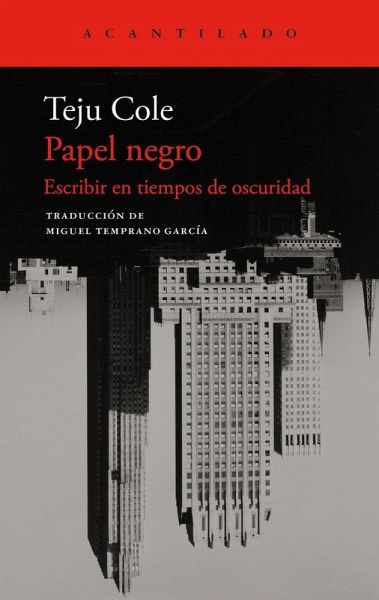
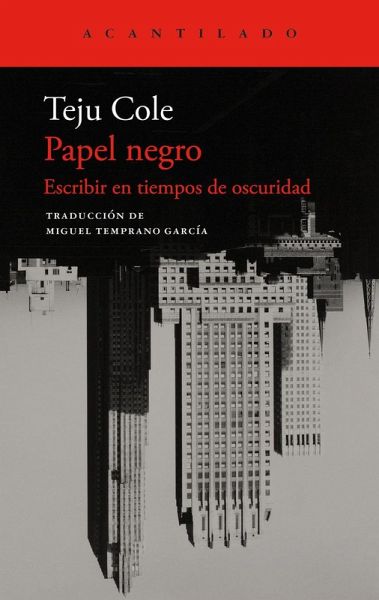
Wide-ranging but thematically unified, the essays address ethical questions about what it means to be human and what it means to bear witness, recognizing how our individual present is informed by a collective past. Cole's writings in Black Paper approach the fractured moment of our history through a constellation of interrelated concerns: confrontation with unsettling art, elegies both public and private, the defense of writing in a time of political upheaval, the role of the color black in the visual arts, the use of shadow in photography, and the links between literature and activism. Throughout, Cole gives us intriguing new ways of thinking about blackness and its numerous connotations.