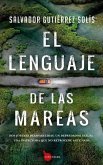
A story of mystery and tension that captivated even José María Pemán, who, after being fascinated by his reading, interceded for its publication despite not winning the Blasco Ibáñez prize. A fast-paced novel with a relentless rhythm, it begins with a scene that shocks the reader: at dawn, a middle-aged writer hears a dull noise. Outside his window, a young neighbor has fallen, naked, from the sixth floor. The official version speaks of suicide, but neighborhood rumors and his own intuition awaken in the protagonist an obsessive need to know the truth. Thus begins an investigation that draws…mehr
A story of mystery and tension that captivated even José María Pemán, who, after being fascinated by his reading, interceded for its publication despite not winning the Blasco Ibáñez prize. A fast-paced novel with a relentless rhythm, it begins with a scene that shocks the reader: at dawn, a middle-aged writer hears a dull noise. Outside his window, a young neighbor has fallen, naked, from the sixth floor. The official version speaks of suicide, but neighborhood rumors and his own intuition awaken in the protagonist an obsessive need to know the truth. Thus begins an investigation that draws him into a world of desire, jealousy, secrets, and betrayal. A dark plot that combines the narrator's introspection with pure suspense. Set in the turbulent Pamplona of the Civil War, it portrays a universe where everyday life and historical tragedy are masterfully intertwined. The setting, full of precision and lyricism, makes each page an unforgettable testimony to a crucial era. Rediscovered today, this novel by Manuel Iribarren shows us a narrator capable of capturing the essence of the human soul in its darkest moments. These pages are much more than a story of intrigue: they are a literary classic that continues to pack a punch, inviting us to confront our own shadows. Each chapter opens with an original illustration, and the digital edition, annotated by a professor at the University of Navarra, allows for an enriched reading of this classic waiting to be rediscovered. "Iribarren is the great writer of Pamplona. With this novel, I have spent a few magnificent hours reading." José María Pemán
Manuel Iribarren (1902-1973) pertenece a la llamada 'Generación del 36', la de todos esos escritores a los que asaltó la guerra cuando su carrera literaria estaba en ciernes. Cuando Iribarren publicó en la mítica colección Austral, Jacinto Benavente y Gregorio Marañón hablaron de 'obra maestra en su género'. Este escritor navarro llegó a Madrid con la República y se ganó el respeto de las primeras espadas de entonces. Publicó con las editoriales más importantes y estrenó, como dramaturgo, en el Teatro Español. Discípulo del propio Benavente y de Pío Baroja, participó en sus tertulias y allí compartía los libros que publicaba. Más tarde, consolidado como novelista, afianzó su amistad con ellos, pero también con otros como Miguel Delibes, que, como él, encontró en el campo la inspiración para construir sus personajes. Versátil, autodidacta, obtuvo importantes galardones de poesía, novela y relato corto, siendo el más importante el Nacional de Literatura, en 1965. Las mejores novelas de Iribarren son aquellas que llegaron antes de la guerra y cuando agonizaba el franquismo: la mencionada "Retorno" (1932), "Las paredes ven" (1970) y este "El miedo al mañana" que ahora se publica.
Es gelten unsere Allgemeinen Geschäftsbedingungen: www.buecher.de/agb
Impressum
www.buecher.de ist ein Internetauftritt der buecher.de internetstores GmbH
Geschäftsführung: Monica Sawhney | Roland Kölbl | Günter Hilger
Sitz der Gesellschaft: Batheyer Straße 115 - 117, 58099 Hagen
Postanschrift: Bürgermeister-Wegele-Str. 12, 86167 Augsburg
Amtsgericht Hagen HRB 13257
Steuernummer: 321/5800/1497
USt-IdNr: DE450055826