
106,99 €
inkl. MwSt.
Versandkostenfrei*Erscheint vorauss. 29. Januar 2026
Melden Sie sich
hier
hier
für den Produktalarm an, um über die Verfügbarkeit des Produkts informiert zu werden.

53 °P sammeln
Andere Kunden interessierten sich auch für
 Resuscitation and Stabilization of the Critically Ill Child102,99 €
 Science and Practice of Pediatric Critical Care Medicine38,99 €
 Essentials of Terror Medicine98,99 €
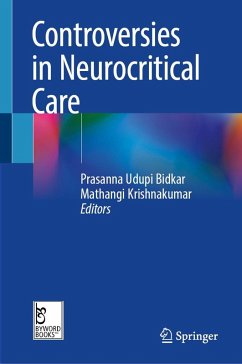
 Controversies in Neurocritical Care106,99 €
 Pediatric Anesthesiology Review91,99 €
 Intensive Care Medicine120,99 €
 Basics76,99 €
The book addresses a critical gap for medical officers, nurses, and emergency medical technicians (EMTs), who are the frontline responders for injured children, especially in resource-limited settings. It translates complex, evidence-based global trauma principles into actionable guidance suited for primary care facilities. It bridges the gap between theoretical knowledge and critical bedside practice, enabling primary care providers (PCPs) to make swift, life-saving decisions without tertiary resources.
This manual provides a comprehensive, practical framework covering the full continuum of care, from prehospital triage to emergency evaluation. It is structured around the clinical priorities of ABCDE (Airway, Breathing, Circulation, Disability, Exposure), ensuring PCPs deliver timely, confident, and coordinated initial resuscitation. It includes illustrative algorithms, flowcharts, and skill checklists designed for quick comprehension and decision-making in high-pressure environments, helping PCPs master core competencies and execute procedures effectively.
It offers unique insights into the epidemiology and demographics of pediatric injuries in South and South-East Asia, grounding global principles in the realities of regional healthcare systems to strengthen pediatric emergency response capacity at the grassroots level. By emphasising team-based crisis management and ethical decision-making, this book empowers PCPs to make a measurable difference in the survival and recovery of every injured child.
This manual provides a comprehensive, practical framework covering the full continuum of care, from prehospital triage to emergency evaluation. It is structured around the clinical priorities of ABCDE (Airway, Breathing, Circulation, Disability, Exposure), ensuring PCPs deliver timely, confident, and coordinated initial resuscitation. It includes illustrative algorithms, flowcharts, and skill checklists designed for quick comprehension and decision-making in high-pressure environments, helping PCPs master core competencies and execute procedures effectively.
It offers unique insights into the epidemiology and demographics of pediatric injuries in South and South-East Asia, grounding global principles in the realities of regional healthcare systems to strengthen pediatric emergency response capacity at the grassroots level. By emphasising team-based crisis management and ethical decision-making, this book empowers PCPs to make a measurable difference in the survival and recovery of every injured child.