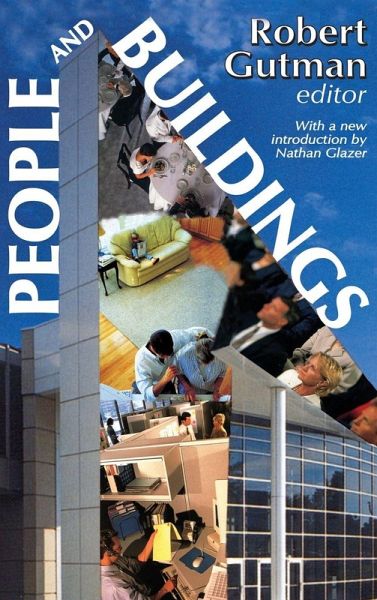
People and Buildings
Herausgeber: Gutman, Robert
People and Buildings
Herausgeber: Gutman, Robert
- Gebundenes Buch
- Merkliste
- Auf die Merkliste
- Bewerten Bewerten
- Teilen
- Produkt teilen
- Produkterinnerung
- Produkterinnerung
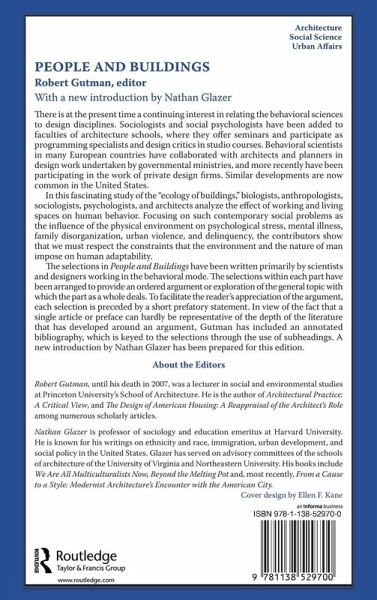
There is at the present time a continuing interest in relating the behavioral sciences to design disciplines
Andere Kunden interessierten sich auch für
Joseph HammondA Cornish Parish: Being an Account of St. Austell, Town, Church, District and People36,99 €
William Adolph Baillie-GrohmanThe Land in the Mountains: Being an Account of the Past & Present of Tyrol, Its People and Its Castles37,99 €
Edwin Paxton HoodThe Age and Its Architects: Ten Chapters on the English People37,99 €
A Manual on School-houses and Cottages for the People of the South27,99 €
John MullalyThe New Parks Beyond the Harlem: With Thirty Illustrations and Map. Descriptions of Scenery. Nearly 4,000 Acres of Free Playground for the People29,99 €
D. AsimakopoulosPassive Cooling of Buildings191,99 €
People and Culture in Construction59,99 €-
-
-
There is at the present time a continuing interest in relating the behavioral sciences to design disciplines
Produktdetails
- Produktdetails
- Verlag: Routledge
- Seitenzahl: 494
- Erscheinungstermin: 14. September 2017
- Englisch
- Abmessung: 235mm x 157mm x 31mm
- Gewicht: 859g
- ISBN-13: 9781138529700
- ISBN-10: 1138529702
- Artikelnr.: 50497178
- Herstellerkennzeichnung
- Libri GmbH
- Europaallee 1
- 36244 Bad Hersfeld
- gpsr@libri.de
- Verlag: Routledge
- Seitenzahl: 494
- Erscheinungstermin: 14. September 2017
- Englisch
- Abmessung: 235mm x 157mm x 31mm
- Gewicht: 859g
- ISBN-13: 9781138529700
- ISBN-10: 1138529702
- Artikelnr.: 50497178
- Herstellerkennzeichnung
- Libri GmbH
- Europaallee 1
- 36244 Bad Hersfeld
- gpsr@libri.de
Robert Gutman
One: Behavioral Constraints on Building Design
1: The Aesthetics of Function
2: Physiology and Anatomy of Urination
Design Considerations for Urination
3: Cultural Variability in Physical Standards
4: Invasions of Personal Space
5: Territoriality: A Neglected Sociological Dimension
6: The Physical Environment: A Problem for a Psychology of Stimulation
Two: Spatial Organization and Social Interaction
7: The Psycho-Social Influence of Building Environment: Sociometric Findings in Large and Small Office Spaces
8: Architecture and Group Membership
9: Silent Assumptions in Social Communication
10: The Social Psychology of Privacy
11: Social Theory in Architectural Design
Three: Environmental Influences on Health and Well-Being
12: The Housing Environment and Family Life
13: Medical Consequences of Environmental Home Noises
14: Effects of Esthetic Surroundings: I. Initial Short-Term Effects of Three Esthetic Conditions upon Perceiving "Energy" and "Well-Being" in Faces 1
Effects of Esthetic Surroundings: II. Prolonged and Repeated Experience in a "Beautiful" and an "Ugly" Room 7
15: Grieving for a Lost Home
16: Health Consequences of Population Density and Crowding
Four: The Social Meaning of Architecture
17: Images of Urban Areas: Their Structure and Psychological Foundations
18: Furniture Arrangement as a Symbol of Judicial Roles
19: Fear and the House-as-Haven in the Lower Class
20: Pecuniary Canons of Taste
21: Place, Symbol, and Utilitarian Function in War Memorials
Five: The Application of Behavioral Science to Design
22: The Questions Architects Ask 1
23: The Room, A Student's Personal Environment
24: Old People's Flatlets at Stevenage
25: Typology and Design Method
26: The City as a Mechanism for Sustaining Human Contact
1: The Aesthetics of Function
2: Physiology and Anatomy of Urination
Design Considerations for Urination
3: Cultural Variability in Physical Standards
4: Invasions of Personal Space
5: Territoriality: A Neglected Sociological Dimension
6: The Physical Environment: A Problem for a Psychology of Stimulation
Two: Spatial Organization and Social Interaction
7: The Psycho-Social Influence of Building Environment: Sociometric Findings in Large and Small Office Spaces
8: Architecture and Group Membership
9: Silent Assumptions in Social Communication
10: The Social Psychology of Privacy
11: Social Theory in Architectural Design
Three: Environmental Influences on Health and Well-Being
12: The Housing Environment and Family Life
13: Medical Consequences of Environmental Home Noises
14: Effects of Esthetic Surroundings: I. Initial Short-Term Effects of Three Esthetic Conditions upon Perceiving "Energy" and "Well-Being" in Faces 1
Effects of Esthetic Surroundings: II. Prolonged and Repeated Experience in a "Beautiful" and an "Ugly" Room 7
15: Grieving for a Lost Home
16: Health Consequences of Population Density and Crowding
Four: The Social Meaning of Architecture
17: Images of Urban Areas: Their Structure and Psychological Foundations
18: Furniture Arrangement as a Symbol of Judicial Roles
19: Fear and the House-as-Haven in the Lower Class
20: Pecuniary Canons of Taste
21: Place, Symbol, and Utilitarian Function in War Memorials
Five: The Application of Behavioral Science to Design
22: The Questions Architects Ask 1
23: The Room, A Student's Personal Environment
24: Old People's Flatlets at Stevenage
25: Typology and Design Method
26: The City as a Mechanism for Sustaining Human Contact
One: Behavioral Constraints on Building Design
1: The Aesthetics of Function
2: Physiology and Anatomy of Urination
Design Considerations for Urination
3: Cultural Variability in Physical Standards
4: Invasions of Personal Space
5: Territoriality: A Neglected Sociological Dimension
6: The Physical Environment: A Problem for a Psychology of Stimulation
Two: Spatial Organization and Social Interaction
7: The Psycho-Social Influence of Building Environment: Sociometric Findings in Large and Small Office Spaces
8: Architecture and Group Membership
9: Silent Assumptions in Social Communication
10: The Social Psychology of Privacy
11: Social Theory in Architectural Design
Three: Environmental Influences on Health and Well-Being
12: The Housing Environment and Family Life
13: Medical Consequences of Environmental Home Noises
14: Effects of Esthetic Surroundings: I. Initial Short-Term Effects of Three Esthetic Conditions upon Perceiving "Energy" and "Well-Being" in Faces 1
Effects of Esthetic Surroundings: II. Prolonged and Repeated Experience in a "Beautiful" and an "Ugly" Room 7
15: Grieving for a Lost Home
16: Health Consequences of Population Density and Crowding
Four: The Social Meaning of Architecture
17: Images of Urban Areas: Their Structure and Psychological Foundations
18: Furniture Arrangement as a Symbol of Judicial Roles
19: Fear and the House-as-Haven in the Lower Class
20: Pecuniary Canons of Taste
21: Place, Symbol, and Utilitarian Function in War Memorials
Five: The Application of Behavioral Science to Design
22: The Questions Architects Ask 1
23: The Room, A Student's Personal Environment
24: Old People's Flatlets at Stevenage
25: Typology and Design Method
26: The City as a Mechanism for Sustaining Human Contact
1: The Aesthetics of Function
2: Physiology and Anatomy of Urination
Design Considerations for Urination
3: Cultural Variability in Physical Standards
4: Invasions of Personal Space
5: Territoriality: A Neglected Sociological Dimension
6: The Physical Environment: A Problem for a Psychology of Stimulation
Two: Spatial Organization and Social Interaction
7: The Psycho-Social Influence of Building Environment: Sociometric Findings in Large and Small Office Spaces
8: Architecture and Group Membership
9: Silent Assumptions in Social Communication
10: The Social Psychology of Privacy
11: Social Theory in Architectural Design
Three: Environmental Influences on Health and Well-Being
12: The Housing Environment and Family Life
13: Medical Consequences of Environmental Home Noises
14: Effects of Esthetic Surroundings: I. Initial Short-Term Effects of Three Esthetic Conditions upon Perceiving "Energy" and "Well-Being" in Faces 1
Effects of Esthetic Surroundings: II. Prolonged and Repeated Experience in a "Beautiful" and an "Ugly" Room 7
15: Grieving for a Lost Home
16: Health Consequences of Population Density and Crowding
Four: The Social Meaning of Architecture
17: Images of Urban Areas: Their Structure and Psychological Foundations
18: Furniture Arrangement as a Symbol of Judicial Roles
19: Fear and the House-as-Haven in the Lower Class
20: Pecuniary Canons of Taste
21: Place, Symbol, and Utilitarian Function in War Memorials
Five: The Application of Behavioral Science to Design
22: The Questions Architects Ask 1
23: The Room, A Student's Personal Environment
24: Old People's Flatlets at Stevenage
25: Typology and Design Method
26: The City as a Mechanism for Sustaining Human Contact