
Andere Kunden interessierten sich auch für
 The Energy Glut27,99 €
 Young Black Women and Health Inequities in the United States56,99 €
 Alcohol, Drinking, Drunkenness72,99 €
 Compassionate Communities67,99 €
 After Life18,99 €
 Dementia and Literature56,99 €
 Folk Devils and Moral Panics in the COVID-19 Pandemic56,99 €
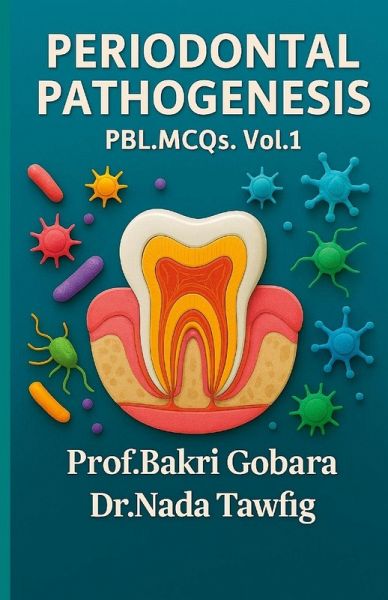
For decades, the question of what really causes periodontal disease one of the prevalent disease has been a captivating puzzle. We've shift from simply blaming bacteria to appreciating a complex set of genetics, immune response, and lifestyle. But as our scientific understanding has deepened, a new challenge has emerged: How do we make this complexity clear and valuable for the students and clinicians on the front lines of patient care? This document is our answer. It's built on a simple, powerful idea: we learn best by doing. Through a series of carefully crafted clinical scenarios and "One Best Answer" questions, we bridge the gap between textbook theory and the messy realities of the operatory. These aren't abstract quizzes; they are the very same clinical "catch-22s" that make you pause, think, and re-evaluate your approach. ¿ The following explain how this approach works: ¿ It's active: You don't just read; you engage, diagnose, and decide. ¿ It's relevant: Every question is rooted in the decisions you make for patients. ¿ It measures accurate understanding: This goes beyond memorization to test your clinical reasoning. Whether you're a student studying for exams, a resident honing your skills, or an educator looking for a better way to teach, this book is designed to be your guide. Let's move beyond just knowing the facts, and step into the confidence of applying them-because that's where better patient care begins.