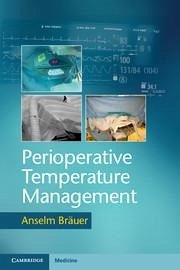
A practical and comprehensive guide to perioperative temperature management for anaesthetists, surgeons and nurses. The physiological basics of thermoregulation and heat exchange are outlined, and potential adverse events are highlighted. Methods of measuring core temperature, and the equipment and techniques to keep patients warm are described.
A practical and comprehensive guide to perioperative temperature management for anaesthetists, surgeons and nurses. The physiological basics of thermoregulation and heat exchange are outlined, and potential adverse events are highlighted. Methods of measuring core temperature, and the equipment and techniques to keep patients warm are described.
Professor Dr Anselm Bräuer DEAA is Consultant at the Department of Anaesthesiology at the University Hospital in Göttingen, Germany. Specialising in the detection, prophylaxis and treatment of hypothermia, he is co-author of the German and Austrian guideline for the prevention of inadvertent perioperative hypothermia.
Inhaltsangabe
Part I. Introduction: 1. History of perioperative hypothermia 2. Physiology of heat and cold sensation 3. Physiology of thermoregulation 4. Physiology of heat gain and heat loss Part II. Changes Induced by Anaesthesia and Surgery: 5. Influence of preanaesthetic core temperature and premedication 6. Influence of transportation to the operating room and preparation for surgery 7. Influence of general anaesthesia 8. Influence of regional anaesthesia 9. Influence of regional anaesthesia and sedation 10. Influence of epidural anaesthesia and general anaesthesia 11. Influence of the surgical environment and surgery Part III. Adverse Effects of Perioperative Hypothermia: 12. Incidence of perioperative hypothermia 13. Influence on pharmacokinetics and pharmacodynamics 14. Influence on coagulation and blood loss 15. Feeling cold and shivering 16. Postoperative pain, pulmonary complications and length of stay in the postanaesthetic care unit 17. Cardiovascular consequences 18. Influence on wound healing and infections 19. Postoperative protein catabolism, length of stay, costs and mortality Part IV. Measurement of Core Temperature: 20. Equipment to measure core temperature 21. Measurement of core temperature Part V. Equipment and Methods to Keep Patients Warm: 22. Forced-air warmers 23. Conductive warmers 24. Infusion warmers 25. Warming of irrigation fluids 26. Insulation 27. Radiative warmers 28. Airway heating and humidification 29. Oesophageal warmers, negative pressure warmers and endovascular warming catheters 30. Augmentation of heat production by amino acids or fructose Part VI. Perioperative Temperature Management: 31. Modern perioperative temperature management 32. Prewarming 33. Warming therapy during anaesthesia 34. Postoperative therapy Index References.
Part I. Introduction: 1. History of perioperative hypothermia 2. Physiology of heat and cold sensation 3. Physiology of thermoregulation 4. Physiology of heat gain and heat loss Part II. Changes Induced by Anaesthesia and Surgery: 5. Influence of preanaesthetic core temperature and premedication 6. Influence of transportation to the operating room and preparation for surgery 7. Influence of general anaesthesia 8. Influence of regional anaesthesia 9. Influence of regional anaesthesia and sedation 10. Influence of epidural anaesthesia and general anaesthesia 11. Influence of the surgical environment and surgery Part III. Adverse Effects of Perioperative Hypothermia: 12. Incidence of perioperative hypothermia 13. Influence on pharmacokinetics and pharmacodynamics 14. Influence on coagulation and blood loss 15. Feeling cold and shivering 16. Postoperative pain, pulmonary complications and length of stay in the postanaesthetic care unit 17. Cardiovascular consequences 18. Influence on wound healing and infections 19. Postoperative protein catabolism, length of stay, costs and mortality Part IV. Measurement of Core Temperature: 20. Equipment to measure core temperature 21. Measurement of core temperature Part V. Equipment and Methods to Keep Patients Warm: 22. Forced-air warmers 23. Conductive warmers 24. Infusion warmers 25. Warming of irrigation fluids 26. Insulation 27. Radiative warmers 28. Airway heating and humidification 29. Oesophageal warmers, negative pressure warmers and endovascular warming catheters 30. Augmentation of heat production by amino acids or fructose Part VI. Perioperative Temperature Management: 31. Modern perioperative temperature management 32. Prewarming 33. Warming therapy during anaesthesia 34. Postoperative therapy Index References.
Es gelten unsere Allgemeinen Geschäftsbedingungen: www.buecher.de/agb
Impressum
www.buecher.de ist ein Internetauftritt der buecher.de internetstores GmbH
Geschäftsführung: Monica Sawhney | Roland Kölbl | Günter Hilger
Sitz der Gesellschaft: Batheyer Straße 115 - 117, 58099 Hagen
Postanschrift: Bürgermeister-Wegele-Str. 12, 86167 Augsburg
Amtsgericht Hagen HRB 13257
Steuernummer: 321/5800/1497
USt-IdNr: DE450055826