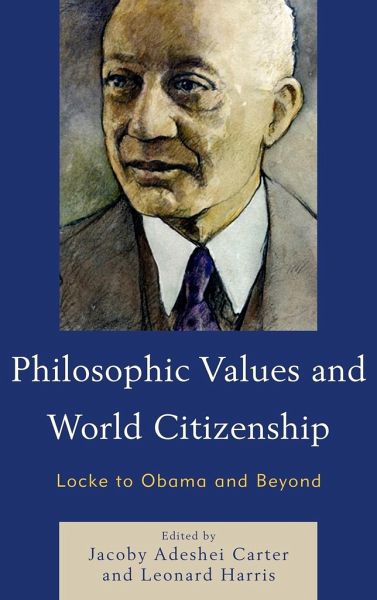
Alain Locke, the central promoter of the Harlem Renaissance, is placed in conversation with leading philosophers and cultural figures in the modern world, from Aristotle to Obama. For teachers and students of contemporary debates in pragmatism, diversity, and value theory, these conversations' define new-and controversial-terrain.
Alain Locke, the central promoter of the Harlem Renaissance, is placed in conversation with leading philosophers and cultural figures in the modern world, from Aristotle to Obama. For teachers and students of contemporary debates in pragmatism, diversity, and value theory, these conversations' define new-and controversial-terrain.
Nancy Fraser is Henry A. and Louise Loeb Professor of Political and Social Science at the New School for Social Research. Her many publications include Fortunes of Feminism (2013), Scales of Justice (2008), Adding Insult to Injury: Nancy Fraser Debates Her Critics (2008) and Redistribution or Recognition? (with Axel Honneth, 2003).
Inhaltsangabe
Chapter 1 Introduction Part 2 Part One. Value Chapter 3 Moral Imperatives for World Order Chapter 4 Unity through Diversity: A Bahá'í Principle Chapter 5 Chapter One. Culture and the Kalos: Inquiry, Justice, and Value in Locke and Aristotle Chapter 6 Chapter Two. Aesthetic Evaluations of Realist Drama Chapter 7 Chapter Three. The Axiological Turn in Early Twentieth Century American Philosophy: Alain Locke and José Vasoconcelos on Epistemology, Value, and the Emotions Chapter 8 Chapter Four. Conundrum of Cosmopolitanism and Race: The Great Debate between Alain Locke and William James Part 9 Part Two. Tolerance Chapter 10 A Functional View of Value Ultimates Chapter 11 Chapter Five. A Functional Peace in This World: Farmer and Locke on the Challenges of Truly Post-War Hope Chapter 12 Chapter Six. Beyond Repressive Tolerance: Alain Locke's Hermeneutics of Democracy and Tolerance in Conversation with Herbert Marcuse and H.G. Gadamer Chapter 13 Chapter Seven. Multicultural Education, Metaphysics, and Alain Locke's Post Metaphysical Alternative Chapter 14 Chapter Eight. Unlikely Allies: Nietzsche, Locke, and Counter-Hegemonic Transformation of Consciousness Part 15 Part Three. Cosmopolitanism Chapter 16 World Citizenship: Mirage or Reality? Chapter 17 Chapter Nine. Cosmopolitanism and Epideictic Rhetoric Chapter 18 Chapter Ten. What Difference Does the Difference Make?: Horace Kallen, Alain Locke and the Birth of Cultural Pluralism Chapter 19 Chapter Eleven. Ethnocentric Representations and Being Human in a Multiethnic Global World: Alain Locke Critique Chapter 20 Chapter Twelve. Global Citizenship through Reciprocity: Alain Locke and Barack Obama's Pragmatist Politics Chapter 21 Chapter Thirteen. New Moral Imperatives for World Order: Alain Locke on Pluralism and Relativism
Chapter 1 Introduction Part 2 Part One. Value Chapter 3 Moral Imperatives for World Order Chapter 4 Unity through Diversity: A Bahá'í Principle Chapter 5 Chapter One. Culture and the Kalos: Inquiry, Justice, and Value in Locke and Aristotle Chapter 6 Chapter Two. Aesthetic Evaluations of Realist Drama Chapter 7 Chapter Three. The Axiological Turn in Early Twentieth Century American Philosophy: Alain Locke and José Vasoconcelos on Epistemology, Value, and the Emotions Chapter 8 Chapter Four. Conundrum of Cosmopolitanism and Race: The Great Debate between Alain Locke and William James Part 9 Part Two. Tolerance Chapter 10 A Functional View of Value Ultimates Chapter 11 Chapter Five. A Functional Peace in This World: Farmer and Locke on the Challenges of Truly Post-War Hope Chapter 12 Chapter Six. Beyond Repressive Tolerance: Alain Locke's Hermeneutics of Democracy and Tolerance in Conversation with Herbert Marcuse and H.G. Gadamer Chapter 13 Chapter Seven. Multicultural Education, Metaphysics, and Alain Locke's Post Metaphysical Alternative Chapter 14 Chapter Eight. Unlikely Allies: Nietzsche, Locke, and Counter-Hegemonic Transformation of Consciousness Part 15 Part Three. Cosmopolitanism Chapter 16 World Citizenship: Mirage or Reality? Chapter 17 Chapter Nine. Cosmopolitanism and Epideictic Rhetoric Chapter 18 Chapter Ten. What Difference Does the Difference Make?: Horace Kallen, Alain Locke and the Birth of Cultural Pluralism Chapter 19 Chapter Eleven. Ethnocentric Representations and Being Human in a Multiethnic Global World: Alain Locke Critique Chapter 20 Chapter Twelve. Global Citizenship through Reciprocity: Alain Locke and Barack Obama's Pragmatist Politics Chapter 21 Chapter Thirteen. New Moral Imperatives for World Order: Alain Locke on Pluralism and Relativism
Es gelten unsere Allgemeinen Geschäftsbedingungen: www.buecher.de/agb
Impressum
www.buecher.de ist ein Internetauftritt der buecher.de internetstores GmbH
Geschäftsführung: Monica Sawhney | Roland Kölbl | Günter Hilger
Sitz der Gesellschaft: Batheyer Straße 115 - 117, 58099 Hagen
Postanschrift: Bürgermeister-Wegele-Str. 12, 86167 Augsburg
Amtsgericht Hagen HRB 13257
Steuernummer: 321/5800/1497
USt-IdNr: DE450055826