Andere Kunden interessierten sich auch für
 Adolphe12,99 €
 A Young Mutineer13,99 €
 This Is The End12,99 €
 That Stick15,99 €
 Chantry House16,99 €
 The Purple Flame12,99 €
 Victory: An Island Tale23,99 €







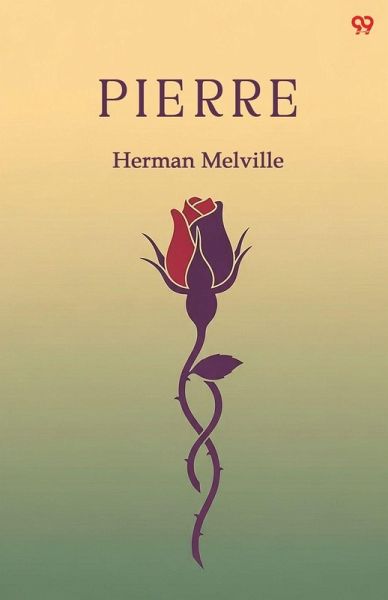
Pierre or the ambiguities investigates the burden of inherited belief, the dissolution of moral certainty, and the personal cost of uncovering hidden truths. Rural landscapes form a delicate surface for deeper unrest, contrasting nature s calm with emotional disarray. The work explores identity, obligation, and self-perception, where social customs and inner contradictions pull against one another. The central figure must reconcile devotion to family with a dawning awareness of conflict between surface appearances and internal convictions. The story deepens its focus on the fracture between what is felt and what must be performed. Idealized love is challenged by shifting moral ground, while relationships reflect the instability of desire and the complexities of self-sacrifice. As personal duty unravels, the narrative resists resolution and instead reveals how clarity gives way to ambiguity under pressure. The emotional and philosophical weight renders a portrait of disillusionment, where belief can no longer guarantee comfort. What emerges is a dense meditation on the collapse of certainty, exposed through psychological intensity and symbolic introspection.
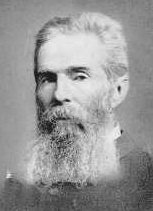
Herman Melville was an American Renaissance novelist, poet, and short story writer who lived from August 1, 1819, to September 28, 1891. His most well-known pieces are Typee (1846), a romanticized narrative of his experiences in Polynesia; Moby-Dick (1851); and Billy Budd, Sailor, a novella that was released after his death. Although Melville was no longer well-known to the general public at the time of his death, a Melville renaissance began in 1919, the year of his birth. In the end, Moby-Dick was regarded as one of the best American novels. The third child of a wealthy merchant who died in 1832, leaving the family in terrible financial shape, Melville was born in New York City. He sailed as a common sailor in 1839, first as a whaler Acushnet and subsequently as a merchant ship. However, he abandoned ship in the Marquesas Islands. His first work, Typee, and its follow-up, Omoo (1847), were travelogues inspired by his interactions with the island peoples. He was able to marry Elizabeth Shaw, the daughter of Boston lawyer Lemuel Shaw, because to their prosperity. His debut novel not drawn from personal experience, Mardi (1849), was not well received.