
Andere Kunden interessierten sich auch für
 Philadelphia Jazz18,99 €
 Johnstown Industry19,99 €
 Rochester's Lakeside Resorts and Amusement Parks19,99 €
 Wardman Park Hotel19,99 €
 Beacon Revisited19,99 €
 Fort Lee19,99 €
 Cleveland Park19,99 €
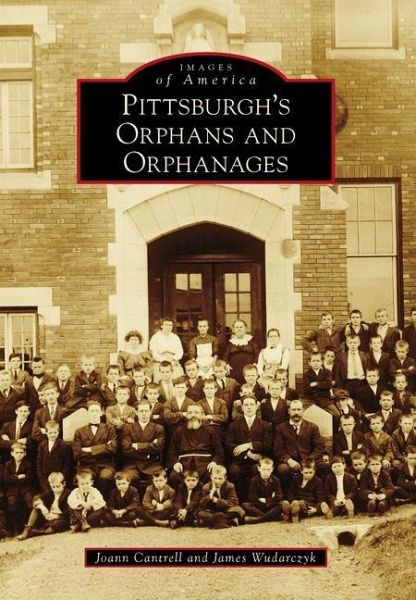
In the early 1900s, orphanages in the United States housed more than 100,000 children, thousands of those living in Pittsburgh. Buildings that became group homes were constructed through churches and fraternal organizations. The facilities, complete with boarding accommodations, dining halls, schools, playgrounds, and infirmaries, offered accommodations for 100 to 300 orphans at any given time. For the orphans living in such homes, everything was communal and privacy was nonexistent. Young boys and girls slept in overcrowded dormitories, waited in long lines to use the lavatories, and lost their individuality to the uniform appearance of being an orphan. Some children still had a living parent, but due to dire circumstances of the times, their fate was in the hands of those who operated the orphanage.