107,99 €
inkl. MwSt.
Versandkostenfrei*Erscheint vorauss. 30. April 2026
Melden Sie sich
hier
hier
für den Produktalarm an, um über die Verfügbarkeit des Produkts informiert zu werden.

54 °P sammeln
Andere Kunden interessierten sich auch für
 The Architecture of the Science of Living Beings99,99 €
 Plato's Charmides99,99 €
 Proclus on Aristotle on Plato98,99 €
 Ancient Women Philosophers99,99 €
 Tragedy of the Athenian Ideal in Thucydides and Plato131,99 €
 Plato's Euthyphro, Apology, and Crito145,99 €
 The Golden Sayings of Epictetus36,99 €


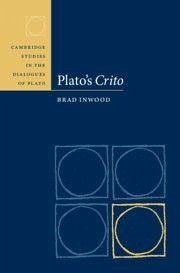
Many people read the Crito primarily as a companion piece to the Apology and as one of Plato's statements on the nature of politics and the citizen's relationship to the state. This book challenges both of those assumptions and shows, by close analysis of the characters, the argument and the dramatic features of the dialogue, that it is best read as an exploration of the nature and significance of Socratic moral reasoning. It shows that there is a single argument throughout the dialogue and that the 'Laws of Athens' are best understood as supporting Socrates' attempt to convince Crito that a commitment to the currently best rational argument justifies his submission to the death penalty, despite the injustice of his sentence. The importance of the Crito for later political and legal theory is great, but the reception of the dialogue should not blind us to its original intention and significance.