
Andere Kunden interessierten sich auch für
 Plaquemine18,99 €
 Recollections of Pierre Part and the Belle River19,99 €
 West Baton Rouge Parish18,99 €
 Opelousas18,99 €
 Yukon18,99 €
 Brenham18,99 €
 Metairie18,99 €





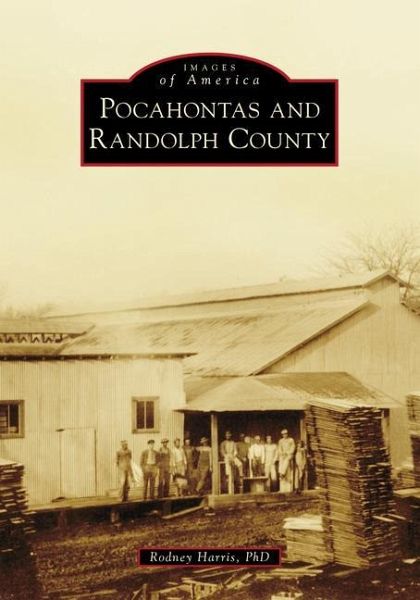
Pocahontas, Arkansas, began as an early settlement known as Bettis Bluff. The name Pocahontas appears to have first been used in 1836 when the town was chosen as the county seat of the new Randolph County. The area's rivers played a significant role in the county's development, with the first steamboat arriving in Bettis Bluff in 1829. Pocahontas flourished following the Civil War due to the growing lumber industry, which cleared vast forested areas, allowing for an agricultural economy. The arrival of the railroad in the early 20th century ushered in new opportunities, and while World War II led many to leave in search of better-paying jobs, others benefited from the opening of Brown Shoe, Magee Picture Frames, Waterloo, and other industries. A significant lumber industry developed as the forests of the Current and Black River bottoms were cleared. The Port of Pocahontas became a shipping point for lumber, and the Sallee Handle Mill along the riverfront in Pocahontas became a booming business. Randolph County emerged as a significant producer of rice, soybeans, and, more recently, peanuts.