
Andere Kunden interessierten sich auch für
 Punks, Monks and Politics167,99 €
 Cultural Policy and East Asian Rivalry113,99 €
 Contemporary Culture and Media in Asia149,99 €
 Contemporary Culture and Media in Asia55,99 €
 Digital Technology and Communication Policy in Korea96,99 €
 Media of South Korea36,99 €
 The History of Korean Popular Culture106,99 €

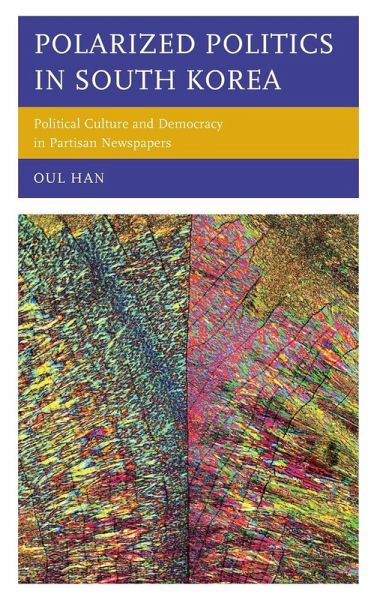
This book uses South Korean newspaper articles from 24 years and quantitative text analysis to show how extreme political polarization is increasing in ideological language more than in ideological policy. The author highlights the difference and explains how to see through the emptiness of ideological labels.