Police Innovation
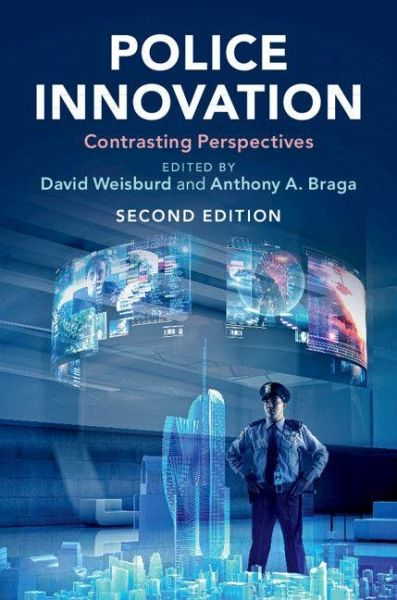
Herausgeber: Weisburd, David; Braga, Anthony A.
Police Innovation
Herausgeber: Weisburd, David; Braga, Anthony A.
- Gebundenes Buch
- Merkliste
- Auf die Merkliste
- Bewerten Bewerten
- Teilen
- Produkt teilen
- Produkterinnerung
- Produkterinnerung
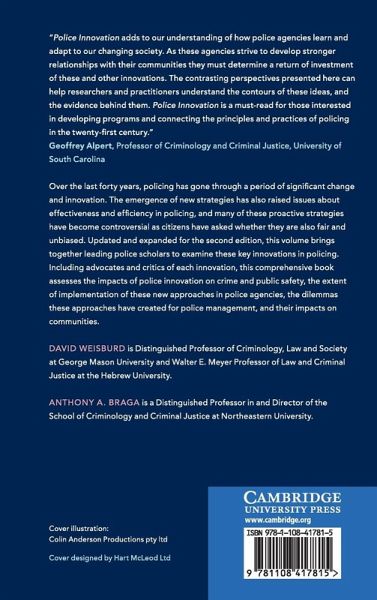
Reviews innovations in policing over the last four decades, bringing together top policing scholars to discuss whether police should adopt these approaches.
Andere Kunden interessierten sich auch für
Geoffrey P. AlpertUnderstanding Police Use of Force108,99 €
James J WillisUsing the Police Craft to Improve Patrol Officer Decision-Making68,99 €
Kayla G JachimowskiPolice Response to Mental Health Calls for Service97,99 €
Tara Lai QuinlanPolice Diversity125,99 €
Report On the Administration of the Police36,99 €
Marie GottschalkThe Prison and the Gallows97,99 €
Per-Olof H. Wikström / Robert J. Sampson (eds.)The Explanation of Crime110,99 €-
-
-
Reviews innovations in policing over the last four decades, bringing together top policing scholars to discuss whether police should adopt these approaches.
Produktdetails
- Produktdetails
- Verlag: Cambridge University Press
- Seitenzahl: 586
- Erscheinungstermin: 29. August 2019
- Englisch
- Abmessung: 235mm x 157mm x 39mm
- Gewicht: 1091g
- ISBN-13: 9781108417815
- ISBN-10: 1108417817
- Artikelnr.: 55172070
- Herstellerkennzeichnung
- Libri GmbH
- Europaallee 1
- 36244 Bad Hersfeld
- gpsr@libri.de
- Verlag: Cambridge University Press
- Seitenzahl: 586
- Erscheinungstermin: 29. August 2019
- Englisch
- Abmessung: 235mm x 157mm x 39mm
- Gewicht: 1091g
- ISBN-13: 9781108417815
- ISBN-10: 1108417817
- Artikelnr.: 55172070
- Herstellerkennzeichnung
- Libri GmbH
- Europaallee 1
- 36244 Bad Hersfeld
- gpsr@libri.de
Introduction: the context of police innovation David Weisburd and Anthony
Braga; Part I. Community Policing: 1. Advocate: community policing Wesley
Skogan; 2. Critic: community policing: a skeptical view Stephen Mastroski;
Part II. Broken Windows Policing: 3. Advocate: of 'broken windows'
criminology and criminal justice William Sousa and George Kelling; 4.
Critic: incivilities reduction policing, zero tolerance, and the retreat
from coproduction: even weaker foundations and stronger pressures Ralph
Taylor; Part III. Procedural Justice Policing: 5. Advocate: procedural
justice policing Tom Tyler and Tracey Meares; 6. Critic: the limits of
procedural justice David Thacher; Part IV. Problem-Oriented Policing: 7.
Advocate: why problem-oriented policing John Eck; 8. Critic:
problem-oriented policing: the disconnect between principles and practice
Anthony Braga and David Weisburd; Part V. Pulling Levers (Focused
Deterrence) Policing: 9. Advocate: policing and the lessons of focused
deterrence David M. Kennedy; 10. Critic: partnership, accountability, and
innovation: clarifying Boston's experience with focused deterrence Anthony
Braga; Part VI. Third-Party Policing: 11. Advocate: third-party policing
Lorraine Green Mazerolle and Janet Ransley; 12. Critic: third-party
policing: a critical view Tracey L. Meares; Part VII. Compstat: 13.
Advocate: Compstat's innovation Eli Silverman; 14. Critic: changing
everything so that everything can remain the same: Compstat and American
policing David Weisburd, Stephen Mastrofski, James J. Willis and Rosanne
Greenspan; Part VIII. Hot Spots Policing: 15. Advocate: hot spots policing
as a model for police innovation Anthony Braga and David Weisburd; 16.
Critic: the limits of hot spots policing Dennis Rosenbaum; Part IX.
Predictive Policing: 17. Advocate: predictive policing Jerry Ratcliffe; 18.
Critic predictive policing: where's the evidence Rachel Boba; Part X.
Evidence-Based / Risk-Focused Policing: 19. Advocate: evidence-based
policing for crime prevention Brandon Welsh; 20. Critic which evidence?
What knowledge? Broadening information about the police and their
interventions Jack Greene; Part XI. Technology Policing: 21. Advocate
technology in policing Barak Ariel; 22. Critic: the limits of police
technology Cynthia Lum and Chris Koper; Conclusion: police innovation and
the future of policing David Weisburd and Anthony Braga.
Braga; Part I. Community Policing: 1. Advocate: community policing Wesley
Skogan; 2. Critic: community policing: a skeptical view Stephen Mastroski;
Part II. Broken Windows Policing: 3. Advocate: of 'broken windows'
criminology and criminal justice William Sousa and George Kelling; 4.
Critic: incivilities reduction policing, zero tolerance, and the retreat
from coproduction: even weaker foundations and stronger pressures Ralph
Taylor; Part III. Procedural Justice Policing: 5. Advocate: procedural
justice policing Tom Tyler and Tracey Meares; 6. Critic: the limits of
procedural justice David Thacher; Part IV. Problem-Oriented Policing: 7.
Advocate: why problem-oriented policing John Eck; 8. Critic:
problem-oriented policing: the disconnect between principles and practice
Anthony Braga and David Weisburd; Part V. Pulling Levers (Focused
Deterrence) Policing: 9. Advocate: policing and the lessons of focused
deterrence David M. Kennedy; 10. Critic: partnership, accountability, and
innovation: clarifying Boston's experience with focused deterrence Anthony
Braga; Part VI. Third-Party Policing: 11. Advocate: third-party policing
Lorraine Green Mazerolle and Janet Ransley; 12. Critic: third-party
policing: a critical view Tracey L. Meares; Part VII. Compstat: 13.
Advocate: Compstat's innovation Eli Silverman; 14. Critic: changing
everything so that everything can remain the same: Compstat and American
policing David Weisburd, Stephen Mastrofski, James J. Willis and Rosanne
Greenspan; Part VIII. Hot Spots Policing: 15. Advocate: hot spots policing
as a model for police innovation Anthony Braga and David Weisburd; 16.
Critic: the limits of hot spots policing Dennis Rosenbaum; Part IX.
Predictive Policing: 17. Advocate: predictive policing Jerry Ratcliffe; 18.
Critic predictive policing: where's the evidence Rachel Boba; Part X.
Evidence-Based / Risk-Focused Policing: 19. Advocate: evidence-based
policing for crime prevention Brandon Welsh; 20. Critic which evidence?
What knowledge? Broadening information about the police and their
interventions Jack Greene; Part XI. Technology Policing: 21. Advocate
technology in policing Barak Ariel; 22. Critic: the limits of police
technology Cynthia Lum and Chris Koper; Conclusion: police innovation and
the future of policing David Weisburd and Anthony Braga.
Introduction: the context of police innovation David Weisburd and Anthony
Braga; Part I. Community Policing: 1. Advocate: community policing Wesley
Skogan; 2. Critic: community policing: a skeptical view Stephen Mastroski;
Part II. Broken Windows Policing: 3. Advocate: of 'broken windows'
criminology and criminal justice William Sousa and George Kelling; 4.
Critic: incivilities reduction policing, zero tolerance, and the retreat
from coproduction: even weaker foundations and stronger pressures Ralph
Taylor; Part III. Procedural Justice Policing: 5. Advocate: procedural
justice policing Tom Tyler and Tracey Meares; 6. Critic: the limits of
procedural justice David Thacher; Part IV. Problem-Oriented Policing: 7.
Advocate: why problem-oriented policing John Eck; 8. Critic:
problem-oriented policing: the disconnect between principles and practice
Anthony Braga and David Weisburd; Part V. Pulling Levers (Focused
Deterrence) Policing: 9. Advocate: policing and the lessons of focused
deterrence David M. Kennedy; 10. Critic: partnership, accountability, and
innovation: clarifying Boston's experience with focused deterrence Anthony
Braga; Part VI. Third-Party Policing: 11. Advocate: third-party policing
Lorraine Green Mazerolle and Janet Ransley; 12. Critic: third-party
policing: a critical view Tracey L. Meares; Part VII. Compstat: 13.
Advocate: Compstat's innovation Eli Silverman; 14. Critic: changing
everything so that everything can remain the same: Compstat and American
policing David Weisburd, Stephen Mastrofski, James J. Willis and Rosanne
Greenspan; Part VIII. Hot Spots Policing: 15. Advocate: hot spots policing
as a model for police innovation Anthony Braga and David Weisburd; 16.
Critic: the limits of hot spots policing Dennis Rosenbaum; Part IX.
Predictive Policing: 17. Advocate: predictive policing Jerry Ratcliffe; 18.
Critic predictive policing: where's the evidence Rachel Boba; Part X.
Evidence-Based / Risk-Focused Policing: 19. Advocate: evidence-based
policing for crime prevention Brandon Welsh; 20. Critic which evidence?
What knowledge? Broadening information about the police and their
interventions Jack Greene; Part XI. Technology Policing: 21. Advocate
technology in policing Barak Ariel; 22. Critic: the limits of police
technology Cynthia Lum and Chris Koper; Conclusion: police innovation and
the future of policing David Weisburd and Anthony Braga.
Braga; Part I. Community Policing: 1. Advocate: community policing Wesley
Skogan; 2. Critic: community policing: a skeptical view Stephen Mastroski;
Part II. Broken Windows Policing: 3. Advocate: of 'broken windows'
criminology and criminal justice William Sousa and George Kelling; 4.
Critic: incivilities reduction policing, zero tolerance, and the retreat
from coproduction: even weaker foundations and stronger pressures Ralph
Taylor; Part III. Procedural Justice Policing: 5. Advocate: procedural
justice policing Tom Tyler and Tracey Meares; 6. Critic: the limits of
procedural justice David Thacher; Part IV. Problem-Oriented Policing: 7.
Advocate: why problem-oriented policing John Eck; 8. Critic:
problem-oriented policing: the disconnect between principles and practice
Anthony Braga and David Weisburd; Part V. Pulling Levers (Focused
Deterrence) Policing: 9. Advocate: policing and the lessons of focused
deterrence David M. Kennedy; 10. Critic: partnership, accountability, and
innovation: clarifying Boston's experience with focused deterrence Anthony
Braga; Part VI. Third-Party Policing: 11. Advocate: third-party policing
Lorraine Green Mazerolle and Janet Ransley; 12. Critic: third-party
policing: a critical view Tracey L. Meares; Part VII. Compstat: 13.
Advocate: Compstat's innovation Eli Silverman; 14. Critic: changing
everything so that everything can remain the same: Compstat and American
policing David Weisburd, Stephen Mastrofski, James J. Willis and Rosanne
Greenspan; Part VIII. Hot Spots Policing: 15. Advocate: hot spots policing
as a model for police innovation Anthony Braga and David Weisburd; 16.
Critic: the limits of hot spots policing Dennis Rosenbaum; Part IX.
Predictive Policing: 17. Advocate: predictive policing Jerry Ratcliffe; 18.
Critic predictive policing: where's the evidence Rachel Boba; Part X.
Evidence-Based / Risk-Focused Policing: 19. Advocate: evidence-based
policing for crime prevention Brandon Welsh; 20. Critic which evidence?
What knowledge? Broadening information about the police and their
interventions Jack Greene; Part XI. Technology Policing: 21. Advocate
technology in policing Barak Ariel; 22. Critic: the limits of police
technology Cynthia Lum and Chris Koper; Conclusion: police innovation and
the future of policing David Weisburd and Anthony Braga.