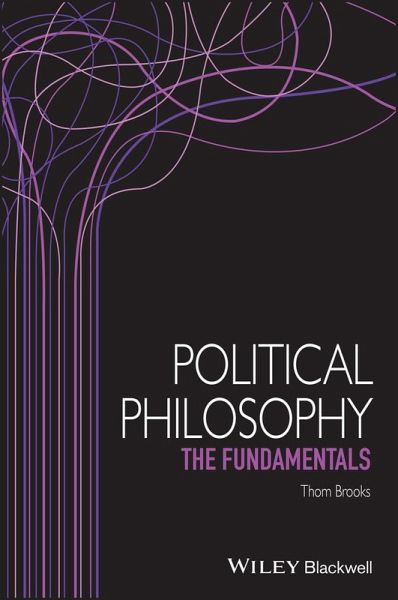
What is freedom? What are human rights? Are wars ever justified? This book explores these and several related questions with the aim of introducing students to the work in the field. It features everyday examples and discussions of key political philosophers and their ideas.
What is freedom? What are human rights? Are wars ever justified? This book explores these and several related questions with the aim of introducing students to the work in the field. It features everyday examples and discussions of key political philosophers and their ideas.
Thom Brooks is Professor of Law and Government at Durham University and Visiting Fellow at Yale Law School. His edited publications include Global Justice: An Introduction, Climate Change for an Endangered World, Rawls's Political Liberalism and The Global Justice Reader, Revised Edition.
Inhaltsangabe
Acknowledgments x Introduction 1 I. 1 What Is Philosophy? 1 I. 2 What Is Political Philosophy? 2 I. 3 Making Political Thought Coherent 9 I. 4 This Book 10 I. 5 Conclusion 12 1 Freedom 14 1.1 Introduction 14 1.2 Knowing Freedom 15 1.3 Contemporary Freedom 20 1.4 Choices and Options 21 1.5 Theories of Freedom 23 1.6 Are Different Theories About Freedom Compatible? 30 1.7 Paternalism 34 1.8 Conclusion 37 Further Reading 37 2 Rights 38 2.1 Introduction 38 2.2 The Divine Right of Kings 39 2.3 Natural Rights 41 2.4 What Are Rights? 44 2.5 A Taxonomy of Rights 49 2.6 Human Rights 51 2.7 Capabilities and Human Rights 55 2.8 Group Rights and Mutual Recognition 59 2.9 Animal Rights 62 2.10 Conclusion 65 Further Reading 66 3 Equality 67 3.1 Introduction 67 3.2 Formal Equality 68 3.3 Legal Equality 70 3.4 Political and Social Equality 75 3.5 Economic Equality 84 3.6 Conclusion 91 Further Reading 92 4 Justice 93 4.1 Introduction 93 4.2 Deontology 94 4.3 Consequentialism 97 4.4 Moral Sentiments 101 4.5 The Idea of a Social Contract 105 4.6 Rawls's Theory of Justice 109 4.7 Rawls's Political Liberalism 116 4.8 The Capabilities Approach 119 4.9 Feminist Justice 122 4.10 The Stakeholder Society 125 4.11 Conclusion 128 Further Reading 128 5 Democracy 129 5.1 Introduction 129 5.2 Why Democracy? 130 5.3 Democratic Models 135 5.4 A Role for Experts? 150 5.5 Conclusion 154 Further Reading 154 6 Punishment 155 6.1 Introduction 155 6.2 Defining Punishment 156 6.3 Retribution 158 6.4 Deterrence 167 6.5 Rehabilitation and Restoration 170 6.6 Unified Theory of Punishment 175 6.7 Conclusion 180 Further Reading 180 7 Global Justice 181 7.1 Introduction 181 7.2 Liberal Nationalism 182 7.3 Cosmopolitanism 185 7.4 Tackling Severe Poverty 190 7.5 Conclusion 200 Further Reading 201 8 Climate Change 202 8.1 Introduction 202 8.2 Mitigation 204 8.3 Adaptation 211 8.4 Rethinking Sustainability 214 8.5 Conclusion 216 Further Reading 217 Conclusion 218 References 220 Index 233
Acknowledgments x Introduction 1 I. 1 What Is Philosophy? 1 I. 2 What Is Political Philosophy? 2 I. 3 Making Political Thought Coherent 9 I. 4 This Book 10 I. 5 Conclusion 12 1 Freedom 14 1.1 Introduction 14 1.2 Knowing Freedom 15 1.3 Contemporary Freedom 20 1.4 Choices and Options 21 1.5 Theories of Freedom 23 1.6 Are Different Theories About Freedom Compatible? 30 1.7 Paternalism 34 1.8 Conclusion 37 Further Reading 37 2 Rights 38 2.1 Introduction 38 2.2 The Divine Right of Kings 39 2.3 Natural Rights 41 2.4 What Are Rights? 44 2.5 A Taxonomy of Rights 49 2.6 Human Rights 51 2.7 Capabilities and Human Rights 55 2.8 Group Rights and Mutual Recognition 59 2.9 Animal Rights 62 2.10 Conclusion 65 Further Reading 66 3 Equality 67 3.1 Introduction 67 3.2 Formal Equality 68 3.3 Legal Equality 70 3.4 Political and Social Equality 75 3.5 Economic Equality 84 3.6 Conclusion 91 Further Reading 92 4 Justice 93 4.1 Introduction 93 4.2 Deontology 94 4.3 Consequentialism 97 4.4 Moral Sentiments 101 4.5 The Idea of a Social Contract 105 4.6 Rawls's Theory of Justice 109 4.7 Rawls's Political Liberalism 116 4.8 The Capabilities Approach 119 4.9 Feminist Justice 122 4.10 The Stakeholder Society 125 4.11 Conclusion 128 Further Reading 128 5 Democracy 129 5.1 Introduction 129 5.2 Why Democracy? 130 5.3 Democratic Models 135 5.4 A Role for Experts? 150 5.5 Conclusion 154 Further Reading 154 6 Punishment 155 6.1 Introduction 155 6.2 Defining Punishment 156 6.3 Retribution 158 6.4 Deterrence 167 6.5 Rehabilitation and Restoration 170 6.6 Unified Theory of Punishment 175 6.7 Conclusion 180 Further Reading 180 7 Global Justice 181 7.1 Introduction 181 7.2 Liberal Nationalism 182 7.3 Cosmopolitanism 185 7.4 Tackling Severe Poverty 190 7.5 Conclusion 200 Further Reading 201 8 Climate Change 202 8.1 Introduction 202 8.2 Mitigation 204 8.3 Adaptation 211 8.4 Rethinking Sustainability 214 8.5 Conclusion 216 Further Reading 217 Conclusion 218 References 220 Index 233
Es gelten unsere Allgemeinen Geschäftsbedingungen: www.buecher.de/agb
Impressum
www.buecher.de ist ein Internetauftritt der buecher.de internetstores GmbH
Geschäftsführung: Monica Sawhney | Roland Kölbl | Günter Hilger
Sitz der Gesellschaft: Batheyer Straße 115 - 117, 58099 Hagen
Postanschrift: Bürgermeister-Wegele-Str. 12, 86167 Augsburg
Amtsgericht Hagen HRB 13257
Steuernummer: 321/5800/1497
USt-IdNr: DE450055826