The importance of polyamines for all living cells has been recognized since spermine was discovered in human semen more than 300 years ago. Polyamine research intensified when analytical methods were developed for their determination, particularly in tissues and biological fluids. Discovering their close correlation with cancer, and that polyamine concentrations change during the cell cycle, gave reason for further research in this topic. Polyamines in Health and Nutrition concentrates on the direction of polyamine research which has the capacity to influence and benefit our health and which…mehr
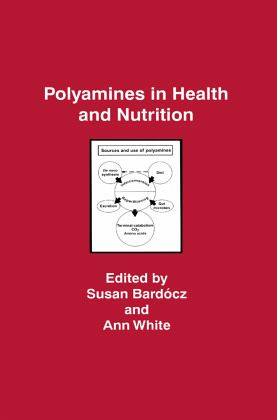
The importance of polyamines for all living cells has been recognized since spermine was discovered in human semen more than 300 years ago. Polyamine research intensified when analytical methods were developed for their determination, particularly in tissues and biological fluids. Discovering their close correlation with cancer, and that polyamine concentrations change during the cell cycle, gave reason for further research in this topic. Polyamines in Health and Nutrition concentrates on the direction of polyamine research which has the capacity to influence and benefit our health and which can explain some of the discrepancies and failures of earlier research. It is important to recognize the dietary contribution to the polyamine body pool and to investigate how the polyamine content of the diet can be changed, with the ultimate aim of using this information to improve our health.
Foreword. Preface. Acknowledgements. Part I: What do polyamines do? Polyamine synthesis, catabolism and homeostasis. 1. Polyamine biosynthesis, catabolism and homeostasis: an overview; D.M.L. Morgan. 2. Regulation of cellular polyamine homeostasis; L. Persson, et al. 3. Localisation of polyamines and their biosynthetic/catabolic enzymes; R.G. Schipper, et al. 4. Genes of polyamine synthesis and transport: Exploiting genome projects to determine similarities and differences between plant, microbial and animal polyamine metabolic pathways; A.J. Michael. 5. Polyamines and the immune system; N. Seiler. 6. Role of polyamine metabolism in programmed cell death; R.G. Schipper, et al. Part II-A: The polyamine pools of the body: Manipulations of biosynthesis: transgenic approach, inhibitors and analogues. 7. Genetic engineering of polyamine metabolism: consequences of the activation of polyamine biosynthesis or catabolism in transgenic rodents; J. Jänne, et al. 8. The effects of polyamine synthesis inhibitors on the rat jejunum: Histological effects of inhibitors of polyamine biosynthesis on normal and hyperplastic rat jejunum; S.W.B. Ewen, et al. 9. Aminooxy polyamine analogues: synthesis and biological; P. Kong Thoo Lin, V. Kuksa. Part II-B: The polyamine pools of the body: Contribution by diet and bacteria. 10. Estimation of the polyamine body pool: Contribution by de novo biosynthesis, diet and luminal bacteria; A. White, S. Bardócz. 11. Polyamine content of the human diet; A. Ralph, S. Bardócz. 12. Polyamine and biogenic amine evolution during food processing; María Izquierdo-Pulido, et al. 13. Manipulation of polyamines in food plants &endash; chemical and transgenic approaches; A.F. Tiburcio, et al. 14. Polyamine synthesis and metabolism in micro-organisms; P.J. Naughton, et al. Part II-C: The polyamine pools of the body: Polyamines in the gut, uptake, distribution and bioavailability. 15. Polyamines in the small bowel and pancreas; C. Löser. 16. Dietary polyamines during lactation; G. Dandrifosse, et al. 17. Uptake of luminal polyamine by the gut: in vivostudies; R. Benamouzig, et al. 18. Uptake, inter-organ distribution and metabolism of dietary polyamines in the rat; S. Bardócz, et al. 19. Lectin induced changes in polyamine synthesis, uptake and transport by enterocyte-like CACO-2 cells; J.F.J.G. Koninkx, et al. 20. Transglutaminase and polyamines in PHA-induced intestinal hyperplasia; A. Sessa, et al. 21. Enzyme limiting polyamine bioavailability of the gut; A. Perin, et al. Part II-D The polyamine pools of the body: Manipulation of polyamine body pools. 22. Limiting the availability of polyamines for a developing tumour: an alternative approach to reducing tumour growth; I.F. Pryme, et al. 23. Polyamine homeostasis as target for manipulation of growth; B. Dorhout, F.A.J. Muskiet. Summary. Appendices. Index.
Foreword. Preface. Acknowledgements. Part I: What do polyamines do? Polyamine synthesis, catabolism and homeostasis. 1. Polyamine biosynthesis, catabolism and homeostasis: an overview; D.M.L. Morgan. 2. Regulation of cellular polyamine homeostasis; L. Persson, et al. 3. Localisation of polyamines and their biosynthetic/catabolic enzymes; R.G. Schipper, et al. 4. Genes of polyamine synthesis and transport: Exploiting genome projects to determine similarities and differences between plant, microbial and animal polyamine metabolic pathways; A.J. Michael. 5. Polyamines and the immune system; N. Seiler. 6. Role of polyamine metabolism in programmed cell death; R.G. Schipper, et al. Part II-A: The polyamine pools of the body: Manipulations of biosynthesis: transgenic approach, inhibitors and analogues. 7. Genetic engineering of polyamine metabolism: consequences of the activation of polyamine biosynthesis or catabolism in transgenic rodents; J. Jänne, et al. 8. The effects of polyamine synthesis inhibitors on the rat jejunum: Histological effects of inhibitors of polyamine biosynthesis on normal and hyperplastic rat jejunum; S.W.B. Ewen, et al. 9. Aminooxy polyamine analogues: synthesis and biological; P. Kong Thoo Lin, V. Kuksa. Part II-B: The polyamine pools of the body: Contribution by diet and bacteria. 10. Estimation of the polyamine body pool: Contribution by de novo biosynthesis, diet and luminal bacteria; A. White, S. Bardócz. 11. Polyamine content of the human diet; A. Ralph, S. Bardócz. 12. Polyamine and biogenic amine evolution during food processing; María Izquierdo-Pulido, et al. 13. Manipulation of polyamines in food plants &endash; chemical and transgenic approaches; A.F. Tiburcio, et al. 14. Polyamine synthesis and metabolism in micro-organisms; P.J. Naughton, et al. Part II-C: The polyamine pools of the body: Polyamines in the gut, uptake, distribution and bioavailability. 15. Polyamines in the small bowel and pancreas; C. Löser. 16. Dietary polyamines during lactation; G. Dandrifosse, et al. 17. Uptake of luminal polyamine by the gut: in vivostudies; R. Benamouzig, et al. 18. Uptake, inter-organ distribution and metabolism of dietary polyamines in the rat; S. Bardócz, et al. 19. Lectin induced changes in polyamine synthesis, uptake and transport by enterocyte-like CACO-2 cells; J.F.J.G. Koninkx, et al. 20. Transglutaminase and polyamines in PHA-induced intestinal hyperplasia; A. Sessa, et al. 21. Enzyme limiting polyamine bioavailability of the gut; A. Perin, et al. Part II-D The polyamine pools of the body: Manipulation of polyamine body pools. 22. Limiting the availability of polyamines for a developing tumour: an alternative approach to reducing tumour growth; I.F. Pryme, et al. 23. Polyamine homeostasis as target for manipulation of growth; B. Dorhout, F.A.J. Muskiet. Summary. Appendices. Index.
Es gelten unsere Allgemeinen Geschäftsbedingungen: www.buecher.de/agb
Impressum
www.buecher.de ist ein Internetauftritt der buecher.de internetstores GmbH
Geschäftsführung: Monica Sawhney | Roland Kölbl | Günter Hilger
Sitz der Gesellschaft: Batheyer Straße 115 - 117, 58099 Hagen
Postanschrift: Bürgermeister-Wegele-Str. 12, 86167 Augsburg
Amtsgericht Hagen HRB 13257
Steuernummer: 321/5800/1497
USt-IdNr: DE450055826