
Andere Kunden interessierten sich auch für
 Poverty, Wealth and Place in Britain, 1968 to 200532,99 €
 Long-Term Ill Health, Poverty and Ethnicity32,99 €
 Breadline Europe45,99 €
 Not a Crime to Be Poor18,99 €
 The Betrayal of the Urban Poor30,99 €
 The Personal Life of Debt35,99 €
 The Making of a Left-Behind Class42,99 €




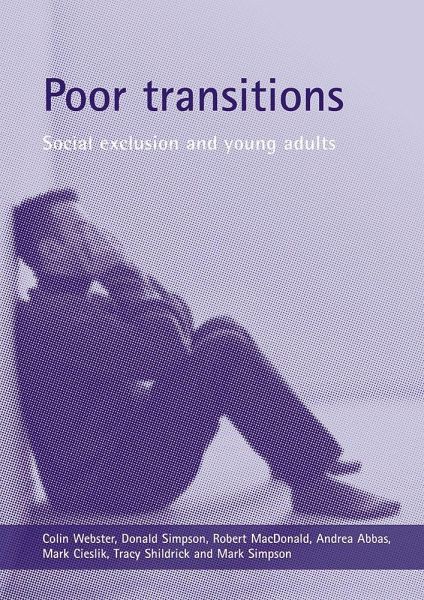
Based on a rare example of longitudinal, qualitative research with hard-to-reach young adults, this study throws into question common approaches to understanding and tackling social exclusion. A key conclusion is that in disadvantaged labor markets current welfare to work policies often entrap individuals in low-paid, precarious poor work, thus entrenching their social exclusion. The report provides a detailed insight into the processes that shape poor transitions and, in particular, highlights: young adults encounters with education, training and employment and their attempts to establish more rewarding working lives; the choices and constraints facing young mothers as they try to balance childcare and paid employment; the complicated factors that lead some adults to desist from crime and drug use and some to persist; and the impact of growing up in poor neighborhoods on the longer term transitions of young people. The authors argue that understanding social exclusion and dev