
Andere Kunden interessierten sich auch für
 Population Growth168,99 €
 New Landscapes of Population Change44,99 €
 Population Geography42,99 €
 Preparing for the Challenges of Population Aging in Asia29,99 €
 An Essay on the Principle of Population16,99 €
 Gladys19,99 €
 Population Geography91,99 €
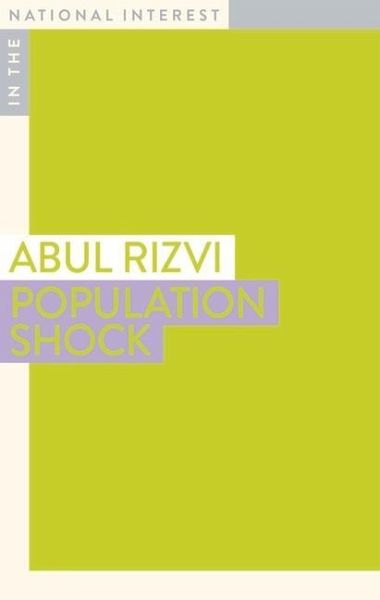
A groundbreaking analysis of Australia's population shock and its economic consequences.How will Australia navigate the challenges of population ageing, declining fertility rates, and increasing social inequality? Abul Rizvi, a leading expert in immigration policy, offers a compelling analysis of these critical issues and their impact on Australia's economic future. Population Shock examines: * The four stages of the population shock and their alignment with the baby boomer life cycle. * The economic consequences of population ageing, including slower growth, rising government debt, and increased inequality. * The role of immigration policy in mitigating the effects of population ageing. Discover how Australia can chart a sustainable economic future in the face of these demographic challenges. This book is essential reading for economists, policymakers, and anyone interested in the future of Australia.