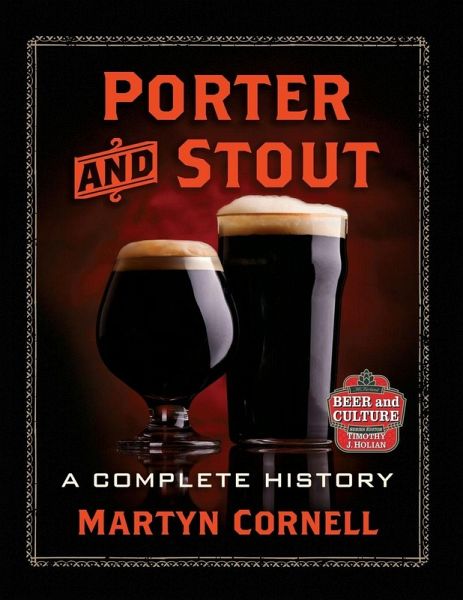
In the 18th century, when London brewers faced rising costs, they crafted an affordable brew for the working class, who were mostly employed as porters. So was born the porter, or the stout, whose appeal reached so far beyond the London working class that it can safely be called the world's first global beer. This book is an in-depth, 300-year chronicle of how a cheaply made drink meant for local workers has become internationally renowned. Covering the changing ways porters and stouts have been brewed over the centuries, how different styles evolved, from Baltic porter to milk stout, and…mehr
In the 18th century, when London brewers faced rising costs, they crafted an affordable brew for the working class, who were mostly employed as porters. So was born the porter, or the stout, whose appeal reached so far beyond the London working class that it can safely be called the world's first global beer. This book is an in-depth, 300-year chronicle of how a cheaply made drink meant for local workers has become internationally renowned. Covering the changing ways porters and stouts have been brewed over the centuries, how different styles evolved, from Baltic porter to milk stout, and porter's triumphant return in the era of craft beer, this book presents a complete history of the world's favorite dark brew.
The late Martyn Cornell was born in London. He researched and wrote about the history of beer, and beer styles, for more than three decades. He was the author of seven previous books on beer and his work was translated into more than half a dozen different languages. He often spoke on the history of beer at conferences from Denmark to Brazil.
Inhaltsangabe
Table of Contents Acknowledgments deletevi Introduction Part One: Origins 1. Roots and Pressures Part Two: How Porter Was Brewed 2. The 18th Century 3. The 19th Century, Part 1: The Color Problem 4. The 19th Century, Part 2: Patent Malt 5. The 19th Century, Part 3: Demographic Challenges 6. The 20th Century Part Three: Porter in Britain 7. London in the 18th Century 8. Into the Regions 9. The 19th Century, Part 1: The Peak of Success 10. The 19th Century, Part 2: The Long Decline 11. The 20th Century Part Four: Porter in Ireland 12. The Early Years 13. Dublin, Part 1 14. Dublin, Part 2 15. The West and North, Temperance and Famine 16. Cork and the Battle Against Guinness Part Five: Guinness 17. The Beginning 18. Expansion and Domination 19. The Appliance of Science 20. Good for You 21. The Keg Revolution 22. Saunders and After Part Six: Invading Europe 23. Russia and the Baltic States 24. Eastern Europe 25. The Nordic Countries 26. Western and Southern Europe Part Seven: Across the Atlantic 27. North America Before 1776 28. Philadelphia 29. New York City 30. The Northeast United States 31. The Midwest United States 32. The Southern United States 33. The Western United States 34. Prohibition and After 35. Province of Quebec 36. Ontario, Part 1: Toronto and Surroundings 37. Ontario, Part 2: London and E.P. Taylor 38. The Maritimes 39. Western Canada 40. Canada in the 20th Century 41. The Caribbean 42. Latin America Part Eight: Asia, Africa and Australasia 43. South Asia, Part 1 44. South Asia, Part 2 45. Southeast and East Asia 46. Africa and the Middle East 47. Australasia Part Nine: Stout 48. The Start of Stout 49. Stout in the 20th Century 50. Imperial Stout and Russian Stout 51. Cooper 52. Nourishing Stout 53. Oatmeal Stout 54. Milk Stout 55. Other Odd Ingredients: Meat, Oysters and Glucose Part Ten: Rebirth and Revival 56. The Return 57. Pushing the Envelope Part Eleven: Porter and Technology 58. Vats, Instruments and Coloring 59. Steam and Fish Bladders 60. Porter Brewers and the Science of Yeast 61. Guinness and Technology Appendices A. Who Were the Porters? B. The Three-Threads Myth C. London Porter Brewers' Production Figures, 1748-1853 D. Guinness Myths Glossary Chapter Notes Bibliography Index
Table of Contents Acknowledgments deletevi Introduction Part One: Origins 1. Roots and Pressures Part Two: How Porter Was Brewed 2. The 18th Century 3. The 19th Century, Part 1: The Color Problem 4. The 19th Century, Part 2: Patent Malt 5. The 19th Century, Part 3: Demographic Challenges 6. The 20th Century Part Three: Porter in Britain 7. London in the 18th Century 8. Into the Regions 9. The 19th Century, Part 1: The Peak of Success 10. The 19th Century, Part 2: The Long Decline 11. The 20th Century Part Four: Porter in Ireland 12. The Early Years 13. Dublin, Part 1 14. Dublin, Part 2 15. The West and North, Temperance and Famine 16. Cork and the Battle Against Guinness Part Five: Guinness 17. The Beginning 18. Expansion and Domination 19. The Appliance of Science 20. Good for You 21. The Keg Revolution 22. Saunders and After Part Six: Invading Europe 23. Russia and the Baltic States 24. Eastern Europe 25. The Nordic Countries 26. Western and Southern Europe Part Seven: Across the Atlantic 27. North America Before 1776 28. Philadelphia 29. New York City 30. The Northeast United States 31. The Midwest United States 32. The Southern United States 33. The Western United States 34. Prohibition and After 35. Province of Quebec 36. Ontario, Part 1: Toronto and Surroundings 37. Ontario, Part 2: London and E.P. Taylor 38. The Maritimes 39. Western Canada 40. Canada in the 20th Century 41. The Caribbean 42. Latin America Part Eight: Asia, Africa and Australasia 43. South Asia, Part 1 44. South Asia, Part 2 45. Southeast and East Asia 46. Africa and the Middle East 47. Australasia Part Nine: Stout 48. The Start of Stout 49. Stout in the 20th Century 50. Imperial Stout and Russian Stout 51. Cooper 52. Nourishing Stout 53. Oatmeal Stout 54. Milk Stout 55. Other Odd Ingredients: Meat, Oysters and Glucose Part Ten: Rebirth and Revival 56. The Return 57. Pushing the Envelope Part Eleven: Porter and Technology 58. Vats, Instruments and Coloring 59. Steam and Fish Bladders 60. Porter Brewers and the Science of Yeast 61. Guinness and Technology Appendices A. Who Were the Porters? B. The Three-Threads Myth C. London Porter Brewers' Production Figures, 1748-1853 D. Guinness Myths Glossary Chapter Notes Bibliography Index
Es gelten unsere Allgemeinen Geschäftsbedingungen: www.buecher.de/agb
Impressum
www.buecher.de ist ein Internetauftritt der buecher.de internetstores GmbH
Geschäftsführung: Monica Sawhney | Roland Kölbl | Günter Hilger
Sitz der Gesellschaft: Batheyer Straße 115 - 117, 58099 Hagen
Postanschrift: Bürgermeister-Wegele-Str. 12, 86167 Augsburg
Amtsgericht Hagen HRB 13257
Steuernummer: 321/5800/1497
USt-IdNr: DE450055826