Dave Gunning (University of Birmingham Lecturer)
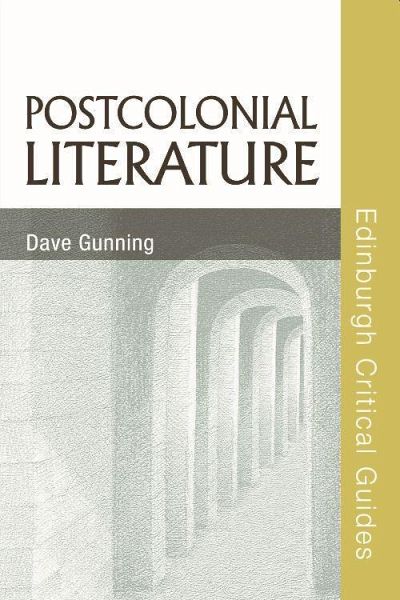
Postcolonial Literature
Dave Gunning (University of Birmingham Lecturer)
Postcolonial Literature
- Broschiertes Buch
- Merkliste
- Auf die Merkliste
- Bewerten Bewerten
- Teilen
- Produkt teilen
- Produkterinnerung
- Produkterinnerung
Introduces postcolonial literary studies through close readings of a wide range of fiction and poetry
Andere Kunden interessierten sich auch für
Rajeev S PatkeModernist Literature and Postcolonial Studies30,99 €
Neil LazarusThe Cambridge Companion to Postcolonial Literary Studies44,99 €
C. L. InnesThe Cambridge Introduction to Postcolonial Literatures in English36,99 €
Thomas HalloranJames Joyce: Developing Irish Identity - A Study of the Development of Postcolonial Irish Identity in the Novels of Jame24,90 €
John ThiemePostcolonial Con-Texts40,99 €
Taner CanMagical Realism in Postcolonial British Fiction29,90 €
Sam DurrantPostcolonial Narrative and the Work of Mourning96,99 €-
-
-
Introduces postcolonial literary studies through close readings of a wide range of fiction and poetry
Produktdetails
- Produktdetails
- Edinburgh Critical Guides to Literature
- Verlag: Edinburgh University Press
- Seitenzahl: 240
- Erscheinungstermin: 5. September 2013
- Englisch
- Abmessung: 216mm x 136mm x 17mm
- Gewicht: 306g
- ISBN-13: 9780748639397
- ISBN-10: 074863939X
- Artikelnr.: 32937072
- Herstellerkennzeichnung
- Libri GmbH
- Europaallee 1
- 36244 Bad Hersfeld
- gpsr@libri.de
- Edinburgh Critical Guides to Literature
- Verlag: Edinburgh University Press
- Seitenzahl: 240
- Erscheinungstermin: 5. September 2013
- Englisch
- Abmessung: 216mm x 136mm x 17mm
- Gewicht: 306g
- ISBN-13: 9780748639397
- ISBN-10: 074863939X
- Artikelnr.: 32937072
- Herstellerkennzeichnung
- Libri GmbH
- Europaallee 1
- 36244 Bad Hersfeld
- gpsr@libri.de
Dave Gunning lectures in contemporary literature at the University of Birmingham, UK. He is the author of Race and Antiracism in Black British and British Asian Literature (Liverpool University Press, 2010).
Series Preface
Chronology
Introduction
Some Omissions
Colonial Spaces and Colonial Ideologies
General Categories and Specific Cases
Possible Unities and the Use of Theory
About this Book
Chapter One: Finding a Voice
Macaulay's Minute
Trading with Tradition: Derek Walcott
Where Language is Concealed: Eavan Boland
The Empire Writes Back
Very Indian English: Nissim Ezekiel
The Language of the African Novel: Ngugi and Achebe
The Palm-oil with which Words are Eaten: Chinua Achebe, Things Fall Apart
Rotten English: Ken Saro-Wiwa, Sozaboy
Mongrels and Silence: Keri Hulme, The Bone People
Summary
Chapter Two: The Need to Belong
From Terra Nullius to the Mabo Decision
In the Interior: Patrick White, Voss
Immemorial and Recent: Les Murray
The Time of the Nation and the Space of the People
Claiming the City: Sam Selvon, The Lonely Londoners
Hating the Place you Love: James Berry, Windrush Songs
New Beginnings and Responsibilities: J.M Coetzee's Disgrace
Summary
Chapter Three: Coming of Age, Coming into Difference
National Allegory
A Shadow of the Nation: Roddy Doyle, A Star Called Henry
In Two Minorities: Shyam Selvadurai, Funny Boy
Natural and Ethical Behaviour: Shani Mootoo, Cereus Blooms at Night
Trapped: Tsitsi Dangarembga, Nervous Conditions
Inheritance and Accidents: Zadie Smith, White Teeth
Summary
Chapter Four: Communities, Values, Transgressions
Learning to Listen: Nadine Gordimer, Burger's Daughter
Avoiding Historical Pitfalls: Thomas King, Truth and Bright Water
Motes in the Eye of History: Diaspora Space
How Newness Enters the World: Salman Rushdie, The Satanic Verses
The Rushdie Affair and the Umma
Faith with and without Agency: Leila Aboulela, Minaret
Nostalgia and Resistance: Mohsin Hamid, The Reluctant Fundamentalist
Summary
Chapter Five: War Zones
Frantz Fanon and the Cleansing Power of Violence
Ghosts from the Future: V. S. Naipaul, A Bend in the River
True Nationalism: Tahmima Anam, A Golden Age
A Ban on Wreaths: Agha Shahid Ali, The Country Without a Post Office
States of Exception, Biopolitics and Necropolitics
A Duty to Stay Alive: Chris Abani, 'Buffalo Women'
Giving Your Life for the Truth: Michael Ondaatje, Anil's Ghost
Summary
Chapter Six: Challenging Histories
A Scab on the Wounds of History: Anita Desai, Clear Light of Day
Squaring History's Books: Arundhati Roy, The God of Small Things
Can the Subaltern Speak?
Made Noble in the Fire: Peter Carey, True History of the Kelly Gang
The Sort of Secrets you Could Use: Sally Morgan, My Place
Beyond the Mesmeric Power of Tradition: The Black Atlantic
Not Going Home: Caryl Phillips, The Atlantic Sound
A Terror of Symbols: Amitav Ghosh, In an Antique Land
Summary
Conclusion
Student Resources
Guide to Further Reading
Writing about Postcolonial Literature
Index

Chronology
Introduction
Some Omissions
Colonial Spaces and Colonial Ideologies
General Categories and Specific Cases
Possible Unities and the Use of Theory
About this Book
Chapter One: Finding a Voice
Macaulay's Minute
Trading with Tradition: Derek Walcott
Where Language is Concealed: Eavan Boland
The Empire Writes Back
Very Indian English: Nissim Ezekiel
The Language of the African Novel: Ngugi and Achebe
The Palm-oil with which Words are Eaten: Chinua Achebe, Things Fall Apart
Rotten English: Ken Saro-Wiwa, Sozaboy
Mongrels and Silence: Keri Hulme, The Bone People
Summary
Chapter Two: The Need to Belong
From Terra Nullius to the Mabo Decision
In the Interior: Patrick White, Voss
Immemorial and Recent: Les Murray
The Time of the Nation and the Space of the People
Claiming the City: Sam Selvon, The Lonely Londoners
Hating the Place you Love: James Berry, Windrush Songs
New Beginnings and Responsibilities: J.M Coetzee's Disgrace
Summary
Chapter Three: Coming of Age, Coming into Difference
National Allegory
A Shadow of the Nation: Roddy Doyle, A Star Called Henry
In Two Minorities: Shyam Selvadurai, Funny Boy
Natural and Ethical Behaviour: Shani Mootoo, Cereus Blooms at Night
Trapped: Tsitsi Dangarembga, Nervous Conditions
Inheritance and Accidents: Zadie Smith, White Teeth
Summary
Chapter Four: Communities, Values, Transgressions
Learning to Listen: Nadine Gordimer, Burger's Daughter
Avoiding Historical Pitfalls: Thomas King, Truth and Bright Water
Motes in the Eye of History: Diaspora Space
How Newness Enters the World: Salman Rushdie, The Satanic Verses
The Rushdie Affair and the Umma
Faith with and without Agency: Leila Aboulela, Minaret
Nostalgia and Resistance: Mohsin Hamid, The Reluctant Fundamentalist
Summary
Chapter Five: War Zones
Frantz Fanon and the Cleansing Power of Violence
Ghosts from the Future: V. S. Naipaul, A Bend in the River
True Nationalism: Tahmima Anam, A Golden Age
A Ban on Wreaths: Agha Shahid Ali, The Country Without a Post Office
States of Exception, Biopolitics and Necropolitics
A Duty to Stay Alive: Chris Abani, 'Buffalo Women'
Giving Your Life for the Truth: Michael Ondaatje, Anil's Ghost
Summary
Chapter Six: Challenging Histories
A Scab on the Wounds of History: Anita Desai, Clear Light of Day
Squaring History's Books: Arundhati Roy, The God of Small Things
Can the Subaltern Speak?
Made Noble in the Fire: Peter Carey, True History of the Kelly Gang
The Sort of Secrets you Could Use: Sally Morgan, My Place
Beyond the Mesmeric Power of Tradition: The Black Atlantic
Not Going Home: Caryl Phillips, The Atlantic Sound
A Terror of Symbols: Amitav Ghosh, In an Antique Land
Summary
Conclusion
Student Resources
Guide to Further Reading
Writing about Postcolonial Literature
Index
Series Preface
Chronology
Introduction
Some Omissions
Colonial Spaces and Colonial Ideologies
General Categories and Specific Cases
Possible Unities and the Use of Theory
About this Book
Chapter One: Finding a Voice
Macaulay's Minute
Trading with Tradition: Derek Walcott
Where Language is Concealed: Eavan Boland
The Empire Writes Back
Very Indian English: Nissim Ezekiel
The Language of the African Novel: Ngugi and Achebe
The Palm-oil with which Words are Eaten: Chinua Achebe, Things Fall Apart
Rotten English: Ken Saro-Wiwa, Sozaboy
Mongrels and Silence: Keri Hulme, The Bone People
Summary
Chapter Two: The Need to Belong
From Terra Nullius to the Mabo Decision
In the Interior: Patrick White, Voss
Immemorial and Recent: Les Murray
The Time of the Nation and the Space of the People
Claiming the City: Sam Selvon, The Lonely Londoners
Hating the Place you Love: James Berry, Windrush Songs
New Beginnings and Responsibilities: J.M Coetzee's Disgrace
Summary
Chapter Three: Coming of Age, Coming into Difference
National Allegory
A Shadow of the Nation: Roddy Doyle, A Star Called Henry
In Two Minorities: Shyam Selvadurai, Funny Boy
Natural and Ethical Behaviour: Shani Mootoo, Cereus Blooms at Night
Trapped: Tsitsi Dangarembga, Nervous Conditions
Inheritance and Accidents: Zadie Smith, White Teeth
Summary
Chapter Four: Communities, Values, Transgressions
Learning to Listen: Nadine Gordimer, Burger's Daughter
Avoiding Historical Pitfalls: Thomas King, Truth and Bright Water
Motes in the Eye of History: Diaspora Space
How Newness Enters the World: Salman Rushdie, The Satanic Verses
The Rushdie Affair and the Umma
Faith with and without Agency: Leila Aboulela, Minaret
Nostalgia and Resistance: Mohsin Hamid, The Reluctant Fundamentalist
Summary
Chapter Five: War Zones
Frantz Fanon and the Cleansing Power of Violence
Ghosts from the Future: V. S. Naipaul, A Bend in the River
True Nationalism: Tahmima Anam, A Golden Age
A Ban on Wreaths: Agha Shahid Ali, The Country Without a Post Office
States of Exception, Biopolitics and Necropolitics
A Duty to Stay Alive: Chris Abani, 'Buffalo Women'
Giving Your Life for the Truth: Michael Ondaatje, Anil's Ghost
Summary
Chapter Six: Challenging Histories
A Scab on the Wounds of History: Anita Desai, Clear Light of Day
Squaring History's Books: Arundhati Roy, The God of Small Things
Can the Subaltern Speak?
Made Noble in the Fire: Peter Carey, True History of the Kelly Gang
The Sort of Secrets you Could Use: Sally Morgan, My Place
Beyond the Mesmeric Power of Tradition: The Black Atlantic
Not Going Home: Caryl Phillips, The Atlantic Sound
A Terror of Symbols: Amitav Ghosh, In an Antique Land
Summary
Conclusion
Student Resources
Guide to Further Reading
Writing about Postcolonial Literature
Index
Chronology
Introduction
Some Omissions
Colonial Spaces and Colonial Ideologies
General Categories and Specific Cases
Possible Unities and the Use of Theory
About this Book
Chapter One: Finding a Voice
Macaulay's Minute
Trading with Tradition: Derek Walcott
Where Language is Concealed: Eavan Boland
The Empire Writes Back
Very Indian English: Nissim Ezekiel
The Language of the African Novel: Ngugi and Achebe
The Palm-oil with which Words are Eaten: Chinua Achebe, Things Fall Apart
Rotten English: Ken Saro-Wiwa, Sozaboy
Mongrels and Silence: Keri Hulme, The Bone People
Summary
Chapter Two: The Need to Belong
From Terra Nullius to the Mabo Decision
In the Interior: Patrick White, Voss
Immemorial and Recent: Les Murray
The Time of the Nation and the Space of the People
Claiming the City: Sam Selvon, The Lonely Londoners
Hating the Place you Love: James Berry, Windrush Songs
New Beginnings and Responsibilities: J.M Coetzee's Disgrace
Summary
Chapter Three: Coming of Age, Coming into Difference
National Allegory
A Shadow of the Nation: Roddy Doyle, A Star Called Henry
In Two Minorities: Shyam Selvadurai, Funny Boy
Natural and Ethical Behaviour: Shani Mootoo, Cereus Blooms at Night
Trapped: Tsitsi Dangarembga, Nervous Conditions
Inheritance and Accidents: Zadie Smith, White Teeth
Summary
Chapter Four: Communities, Values, Transgressions
Learning to Listen: Nadine Gordimer, Burger's Daughter
Avoiding Historical Pitfalls: Thomas King, Truth and Bright Water
Motes in the Eye of History: Diaspora Space
How Newness Enters the World: Salman Rushdie, The Satanic Verses
The Rushdie Affair and the Umma
Faith with and without Agency: Leila Aboulela, Minaret
Nostalgia and Resistance: Mohsin Hamid, The Reluctant Fundamentalist
Summary
Chapter Five: War Zones
Frantz Fanon and the Cleansing Power of Violence
Ghosts from the Future: V. S. Naipaul, A Bend in the River
True Nationalism: Tahmima Anam, A Golden Age
A Ban on Wreaths: Agha Shahid Ali, The Country Without a Post Office
States of Exception, Biopolitics and Necropolitics
A Duty to Stay Alive: Chris Abani, 'Buffalo Women'
Giving Your Life for the Truth: Michael Ondaatje, Anil's Ghost
Summary
Chapter Six: Challenging Histories
A Scab on the Wounds of History: Anita Desai, Clear Light of Day
Squaring History's Books: Arundhati Roy, The God of Small Things
Can the Subaltern Speak?
Made Noble in the Fire: Peter Carey, True History of the Kelly Gang
The Sort of Secrets you Could Use: Sally Morgan, My Place
Beyond the Mesmeric Power of Tradition: The Black Atlantic
Not Going Home: Caryl Phillips, The Atlantic Sound
A Terror of Symbols: Amitav Ghosh, In an Antique Land
Summary
Conclusion
Student Resources
Guide to Further Reading
Writing about Postcolonial Literature
Index