
Andere Kunden interessierten sich auch für
 Prevalence of Lower Cross Syndrome Among Young Adults29,99 €
 Effect of Physical Therapy on Posture And Quality of Life29,99 €
 Lower Limb Amputees` Satisfaction towards NAPo`s Amputee Services33,99 €
 EFFECT OF PHYSICAL THERAPY ON POSTURE AND BALANCE IN SUBJECT WITH29,99 €
 Effect of Square Stepping Exercises in Elderly Population27,99 €
 Effect of Muscle Energy Technique on Forward Head Posture32,99 €
 EFFET DE LA KINÉSITHÉRAPIE SUR LA POSTURE ET L'ÉQUILIBRE CHEZ LES SUJETS ATTEINTS DE29,99 €

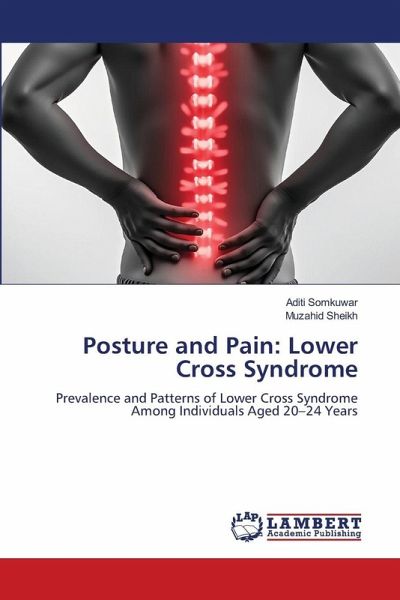
This book explores the prevalence of Lower Cross Syndrome (LCS) among young adults aged 20-24 years. LCS is a postural imbalance characterized by tight hip flexors and lumbar extensors combined with weakness of the abdominal and gluteal muscles. These muscular imbalances can lead to altered biomechanics, postural deviations, and an increased risk of developing chronic low back pain.Through an observational study involving 317 participants, this work identifies patterns of pain, disability levels, and functional limitations using validated outcome measures such as the Numerical Pain Rating Scale, the Oswestry Disability Index, the Modified Thomas Test, and postural evaluation. The findings highlight a higher prevalence of LCS in females and demonstrate the impact of poor posture and sedentary lifestyle on musculoskeletal health in early adulthood.This monograph provides valuable insights for students, clinicians, researchers, and physiotherapy professionals, emphasizing the importance of early screening, corrective exercises, ergonomics, and preventive strategies to reduce the long-term burden of low back pain.